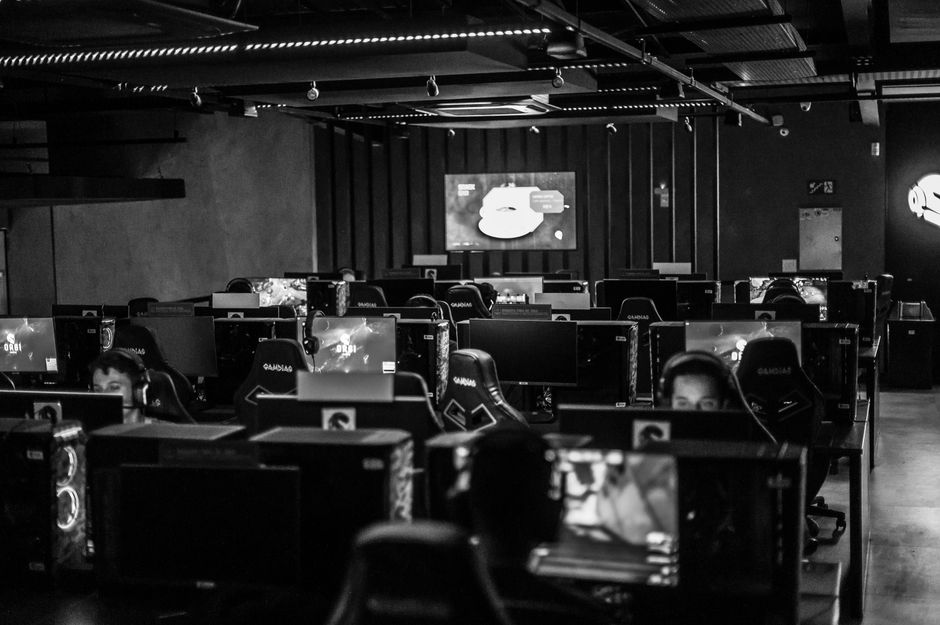
In front of 2,000 fans at Hong Kong's Hang Seng Stadium, Hanwha Life Esports and Bilibili Gaming delivered a 16-kill barrage in just 16 minutes — a match that did more than entertain. It signaled a new era where esports and crypto are inextricably linked.
What to know
- On July 9, 2026, Hanwha Life Esports faced Bilibili Gaming at the MSI 2026 tournament, producing 16 kills in 16 minutes before a live crowd of 2,000 at the Hang Seng Stadium.
- The match highlights the growing intersection of esports and cryptocurrency, influencing market dynamics and regulatory perspectives across Asia.
- Esports prediction markets have heated up, with Bilibili Gaming edging closer to the MSI Grand Final, attracting both fan engagement and crypto investment.
- Meanwhile, China's biggest esports league recently launched with zero crypto integration, underscoring regulatory caution and a preference for stability over blockchain innovation.
- The rise of prediction markets is reshaping fan engagement and investment landscapes, blending excitement with financial speculation.
- Wolves Esports' success in VCT China Stage 2 further underscores the growing influence of blockchain partnerships in mainstream sports and esports.
The Match That Shook MSI
It was a scene that will be replayed for years. Hanwha Life Esports and Bilibili Gaming clashed in a mid-season invitational bout that saw 16 eliminations in the opening 16 minutes. The pace was dizzying, the crowd electric. But beyond the kills and the cheers, something deeper was brewing.
This wasn't just a barnburner between two elite teams. It was a live demonstration of how competitive gaming is becoming a Petri dish for crypto adoption. The match itself — played at Hong Kong's Hang Seng Stadium in front of 2,000 spectators — became a real-time catalyst for discussion on the future of esports finance.
Esports and Crypto: A Growing Intersection
For years, the promise of crypto in esports hovered on the horizon. Tokenized fan tokens, blockchain-based in-game assets, and decentralized prediction markets were concepts discussed in whitepapers and panel hallways. Now, they are becoming mainstream.
The MSI match has accelerated interest in esports prediction markets, where fans can stake crypto on outcomes like match winners or kill counts. According to reports from Crypto Briefing, these markets are reshaping how fans engage — turning passive viewing into active, financially charged participation. The intersection is no longer theoretical; it is here, and it is influencing Asia's market dynamics.
The explosive match highlights a growing intersection of esports and crypto, influencing market dynamics and regulatory perspectives in Asia.
China's Cautious Approach
While the energy around crypto-esports integration builds, China remains a cautious counterweight. The country's largest esports league recently launched with zero crypto integration — a deliberate move that signals regulatory prudence. This traditional approach prioritizes stability over the volatile allure of blockchain.
China's stance is significant. As the home of many top esports teams and a massive fan base, its regulatory decisions ripple across the region. The contrast between the excitement of prediction markets and the official disconnect creates a tension that will define the sector's growth in Asia.
Yet even within this caution, pockets of innovation are emerging. Wolves Esports, a team competing in VCT China Stage 2, has thrived partly due to blockchain partnerships, illustrating that crypto integration can succeed even in regulated environments — as long as it navigates the rules carefully.
Prediction Markets Heat Up
As Bilibili Gaming edges closer to the MSI Grand Final, prediction markets have surged. Fans are placing bets using cryptocurrencies on everything from map wins to kill leaders. This is not just about gambling — it's a new form of engagement that blends fan loyalty with financial upside.
Prediction markets offer a way for esports organizations to raise capital and deepen fan relationships. For crypto projects, it's an entry point into a passionate, young demographic. The data is still early, but the trend is unmistakable: the line between watching and investing is blurring.
Who Is Affected?
Players, teams, fans, regulators, and investors all have skin in this game. For Hanwha Life Esports and Bilibili Gaming, the match has amplified their brand value in both esports and crypto circles. For regulators in China and across Asia, it poses questions about how to oversee a rapidly evolving market where gaming and finance intersect.
Fans are no longer just spectators; they are participants in a financial ecosystem. And for the crypto industry, the esports arena is proving to be a powerful proving ground for real-world use cases.
Looking Ahead
The 16-kill match at MSI 2026 will be remembered not only for its on-screen fireworks but for what it represents: a watershed moment for esports and crypto. As prediction markets mature and regulatory frameworks evolve, Asia stands at the epicenter of this transformation.
Whether China will eventually embrace crypto integration or hold its rigid line remains an open question. But one thing is clear — the intersection of esports and cryptocurrency is no longer a niche crossover. It is a mainstream force that is reshaping entertainment, finance, and regulation across the continent.