The EU’s pursuit of Anthropic’s AI model has exposed a deepening tension between cybersecurity imperatives and the cross-border flow of advanced technology. As the US tightens export controls at the software level, the industry faces a regulatory pivot that could rewire global AI access.
What to know
- The EU has confirmed a meeting with Anthropic regarding cybersecurity concerns tied to the company’s AI models.
- Anthropic has pulled its Fable 5 and Mythos 5 models offline for all users, citing a new US export directive.
- The directive establishes a precedent for software-level export controls, directly affecting global AI distribution and compliance for decentralized platforms.
- Anthropic is holding daily talks with the Trump administration on AI security concerns, according to reports from Crypto Briefing.
- The ongoing dialogue underscores a growing demand for robust regulatory frameworks to manage AI’s national security implications.
- The situation highlights the complex interplay between cybersecurity needs and international tech regulations, with implications for both centralized and decentralized AI ecosystems.
The Directive That Changed the Rules
The new US export directive marks a significant escalation. For the first time, software-level AI models are subject to the same kind of controls traditionally reserved for hardware and physical goods. The policy affects any AI system deemed capable of posing national security risks, and it applies to access worldwide—not just to adversaries.
Anthropic, a leading AI safety company, found itself directly in the crosshairs. The directive forced the company to take the extraordinary step of pulling two of its most advanced models—Fable 5 and Mythos 5—offline for all users, not just those in restricted regions. This move effectively turned a targeted export restriction into a global service shutdown.
The decision to withdraw models from every user, not only sanctioned entities, signals a new normal: companies may choose total withdrawal over complex compliance.
Anthropic’s Response: Pulling the Plug
Anthropic did not hesitate. The models were removed simultaneously, and the company issued no detailed public explanation other than linking the action to the directive. The abruptness suggests either legal pressure or a strategic decision to avoid piecemeal enforcement.
The timing is critical. Anthropic is also engaged in daily negotiations with the Trump administration on broader AI security concerns. These talks, reported by Crypto Briefing, indicate that the White House views Anthropic’s technology as a potential vector for systemic risk—and wants a direct hand in how it is managed.
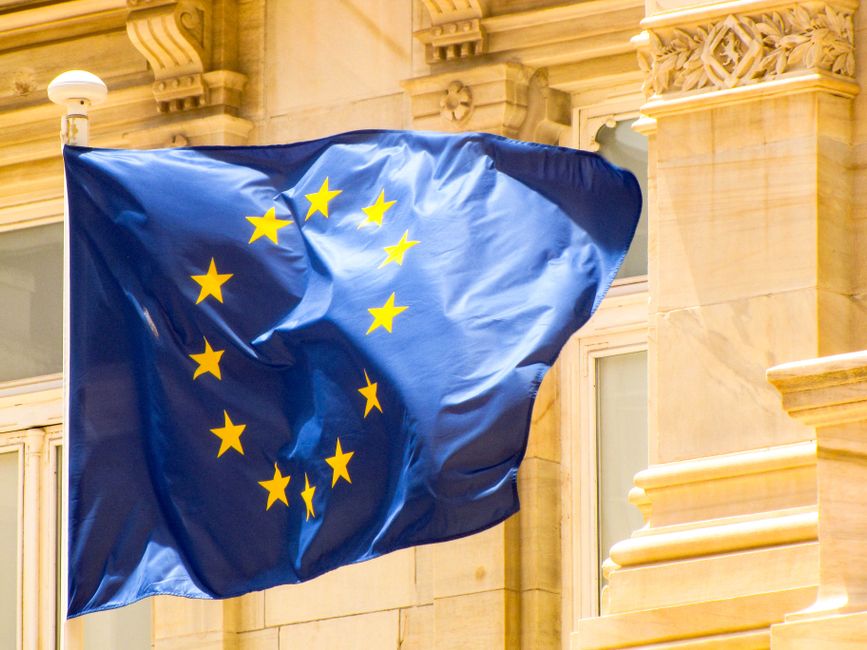
At the same time, the EU Commission has confirmed a meeting with Anthropic focused on cybersecurity. The EU is pursuing the company’s AI model as part of its own regulatory agenda, seeking to understand how the technology interacts with Europe’s digital sovereignty goals.
The parallel tracks—Brussels and Washington—mean Anthropic is navigating two different regulatory philosophies simultaneously. One emphasizes cybersecurity; the other national security export controls.
Brussels and Washington Both at the Table
The EU and the Trump administration are not aligned in approach, but they share a common target: AI models with dual-use potential. For the EU Commission, the concern is cybersecurity resilience. For the Trump White House, the worry is strategic competition and espionage.
This divergence creates a compliance puzzle for companies like Anthropic. Satisfying one regulator may conflict with another’s expectations. The EU wants transparency and access; the US wants restriction and control.
The directive sets a precedent for software-level export controls, impacting global AI access and complicating compliance for decentralized platforms.
Decentralized platforms are particularly exposed. If an AI model is distributed across a blockchain or peer-to-peer network, enforcing a global takedown becomes nearly impossible. The directive implicitly acknowledges this by focusing on the provider—Anthropic—rather than the code itself. But the company’s decision to pull the models voluntarily suggests that the legal risk of noncompliance outweighs the benefit of continued distribution.
Implications for Decentralized AI
One of the most significant ripple effects is on the decentralized AI movement. Advocates argue that open-source, distributed models can bypass geopolitical controls and democratize access. The Anthropic case shows how quickly that vision can be disrupted.
If a prominent player like Anthropic is forced to withdraw models globally, smaller decentralized projects may face even greater pressure. The directive does not explicitly target decentralized networks, but the precedent is clear: if a model is deemed risky, the government will seek to shut it down at its source.
For investors and developers building on decentralized AI, this is a wake-up call. The regulatory environment is shifting from permissive to preemptive.
Looking Ahead
The standoff between global regulators and AI companies is just beginning. Anthropic’s decision to pull Fable 5 and Mythos 5 may be the first of many such actions. As the EU deepens its cybersecurity engagement and the Trump administration sharpens its export tools, the space for unrestricted AI research and deployment will shrink.
The key question is whether companies can design compliance-ready models from the start, or whether we will see a fragmented internet where AI access depends on jurisdiction. The answer may come from the daily talks between Anthropic and the White House—and from the EU Commission’s next move.