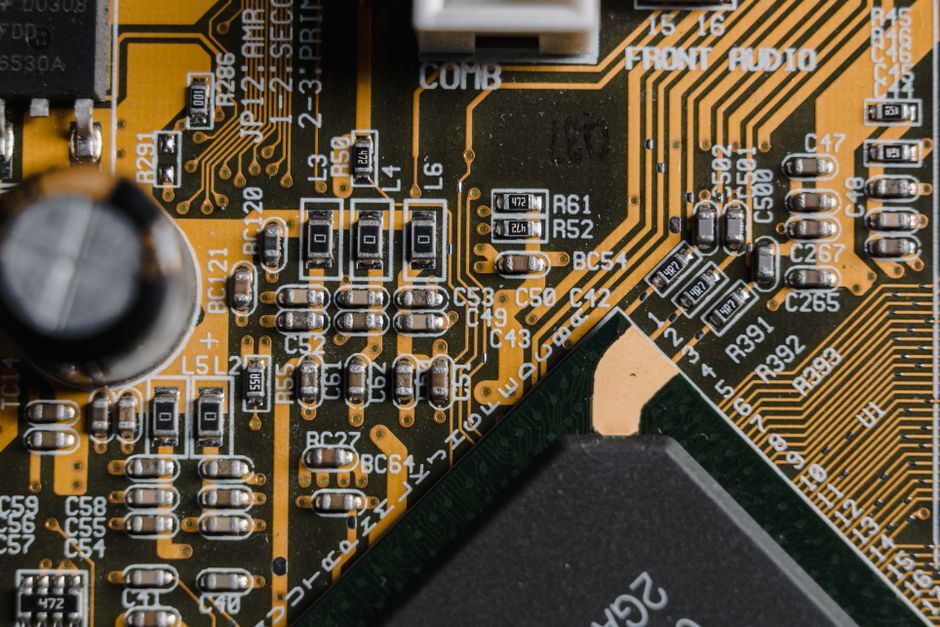
Apple has locked in a $30 billion domestic chip manufacturing deal with Broadcom, a move that signals a major strategic pivot toward American production and self-reliance in semiconductor technology.
What to know
- Apple and Broadcom have signed a $30 billion deal to source chips manufactured in the United States through at least 2031.
- The agreement represents Apple's largest-ever domestic manufacturing investment under CEO Tim Cook's leadership.
- Multiple reports from Crypto Briefing frame the deal as a strategic shift that could reshape US tech supply chains and the semiconductor industry.
- The deal is expected to boost domestic job creation and enhance supply chain stability, reducing exposure to geopolitical risks.
- Broadcom's stock reportedly rose following the announcement, underscoring investor confidence in the expanded partnership.
- The commitment aligns with broader trends in US policy aiming to strengthen onshore semiconductor production.
- Observers note that the move could reshape competitive dynamics in the semiconductor industry by anchoring more high-volume chip supply in the US.
The Deal: What Apple and Broadcom Have Agreed To
On July 8, 2026, news broke that Apple and Broadcom had expanded their already deep relationship into a landmark manufacturing pact. The deal commits Apple to purchase $30 billion worth of chips produced by Broadcom at US facilities through 2031. This is not a new relationship — the two companies have collaborated on wireless components for years — but the scale and domestic focus makes it historic.
The agreement covers a range of chips, though specific product lines were not detailed in the initial reports. What is clear is that Broadcom will manufacture these components within the United States, a condition that Tim Cook has repeatedly emphasized as a priority for Apple’s supply chain strategy.
Why Domestic Manufacturing Matters Now
Apple’s decision to anchor such a massive procurement contract in US soil comes at a time when global semiconductor supply chains are under intense scrutiny. The pandemic-era chip shortages exposed how reliant the tech industry had become on a handful of fabrication plants in Asia. Geopolitical tensions have only heightened those risks.
By moving a significant portion of chip sourcing to Broadcom’s US facilities, Apple is effectively insulating itself from some of that volatility. The deal also positions Apple to benefit from federal incentives for domestic semiconductor production, though the reports do not specify whether tax breaks or subsidies played a role.
Job Creation and Economic Ripple Effects
One of the most frequently cited benefits of the deal is its potential to create US jobs. While exact numbers were not provided in the reporting, Apple has framed the investment as a major boost for American manufacturing employment. Broadcom’s US operations are expected to expand to handle the increased volume, which could mean new fabrication lines, engineering roles, and support positions.
The impact may extend beyond Broadcom itself. Suppliers and logistics providers throughout the semiconductor ecosystem could see increased demand, creating a multiplier effect in local economies, particularly in states like Colorado where Broadcom has existing chip manufacturing facilities. Crypto Briefing noted in one report that the deal could impact various sectors beyond just tech.
Reshaping the Semiconductor Industry
The deal does not happen in a vacuum. Apple’s purchasing power is enormous, and a $30 billion commitment to US-made chips sends a powerful signal to the entire semiconductor industry. Rivals like Qualcomm and Intel may face pressure to accelerate their own domestic manufacturing efforts to compete for Apple’s business in future generations of chips.
Broadcom itself gains a long-term anchor customer that allows it to invest confidently in US fabrication capacity. That could shift the competitive balance in the US semiconductor landscape, reinforcing the trend toward onshore production of high-value chips. The partnership also demonstrates that advanced chips can be reliably produced in the US at scale, which may encourage other big tech buyers to follow suit.
Geopolitical and Policy Context
The Apple-Broadcom deal arrives as the US government continues to push policies aimed at reducing dependence on Asian semiconductor manufacturing, particularly Taiwan and South Korea. While no direct reference to the CHIPS Act or other legislation appears in the reported facts, the timing and scale of the investment align closely with those policy goals.
Crypto Briefing’s coverage emphasized that the deal enhances geopolitical stability by securing a domestic supply of critical components. For a company like Apple, which sells products worldwide and operates supply chains across dozens of countries, having a large, reliable US chip source reduces exposure to trade disputes, export controls, and potential conflicts.
What This Means for Tim Cook’s Legacy
Tim Cook has long been known for mastering supply chain logistics. During his tenure as CEO, Apple has made incremental moves to bring more manufacturing to the US, including a $1 billion campus in Texas and various supplier investments. But the $30 billion Broadcom deal is by far the largest commitment of its kind.
For Cook, this deal cements a legacy of operational excellence intertwined with strategic resilience. It also responds to political and public pressure for Apple to create more American jobs, especially after years of criticism over heavy reliance on Chinese manufacturing. Cook can now point to a tangible, multiyear commitment that directly ties the company’s hardware success to US workers.
Risks and Challenges Ahead
Despite the positive framing, the deal is not without risks. The $30 billion commitment locks Apple into a long-term relationship with Broadcom, potentially limiting flexibility if alternative chip architectures or suppliers become more competitive. Additionally, scaling US chip production to meet Apple’s exacting quality and volume standards could test Broadcom’s operational capabilities.
There are also broader industry uncertainties. The semiconductor market is cyclical, and a downturn could make the deal’s fixed commitments burdensome. Geopolitical factors could also complicate the supply of raw materials or manufacturing equipment needed for US fabrication.
Looking Ahead
Apple’s $30 billion deal with Broadcom is more than a procurement contract — it is a strategic declaration. Over the next five years, as the agreement unfolds, the tech world will be watching to see if this investment truly reshapes the US semiconductor landscape and sparks a wave of similar domestic manufacturing commitments from other large tech companies.
For now, the announcement has been met with optimism, reflected in Broadcom’s stock gain and the positive tone of industry analysis. If execution matches ambition, this could mark a turning point in the effort to rebuild America’s chip-making infrastructure. The foundation has been laid; the work of building on it has just begun.