A flurry of major enterprise AI deals — from Apple's billion-dollar chip agreement with Amazon to Snowflake's own massive cloud commitment — signals a new phase in the AI arms race. As companies shift from asking if AI is exciting to whether it is safe to deploy broadly, the battle for compute supremacy is being redefined.
What to know
- Apple has signed a five-year deal with Amazon for AI chips, valued at more than $1 billion, according to a source close to the company. Apple has not commented but acknowledged the collaboration.
- The chip deal precedes a major overhaul of Siri in iOS 27, which will include a standalone Siri app for the first time.
- Snowflake also signed a five-year agreement with Amazon Web Services for AI chip access, described as "enormous."
- Visa disclosed that more than 1,000 employees are using Replit for prototyping and development of agentic payments.
- Enterprise AI leaders at TechCrunch Disrupt noted that companies are no longer evaluating whether AI is exciting — they are evaluating whether it is safe to deploy broadly.
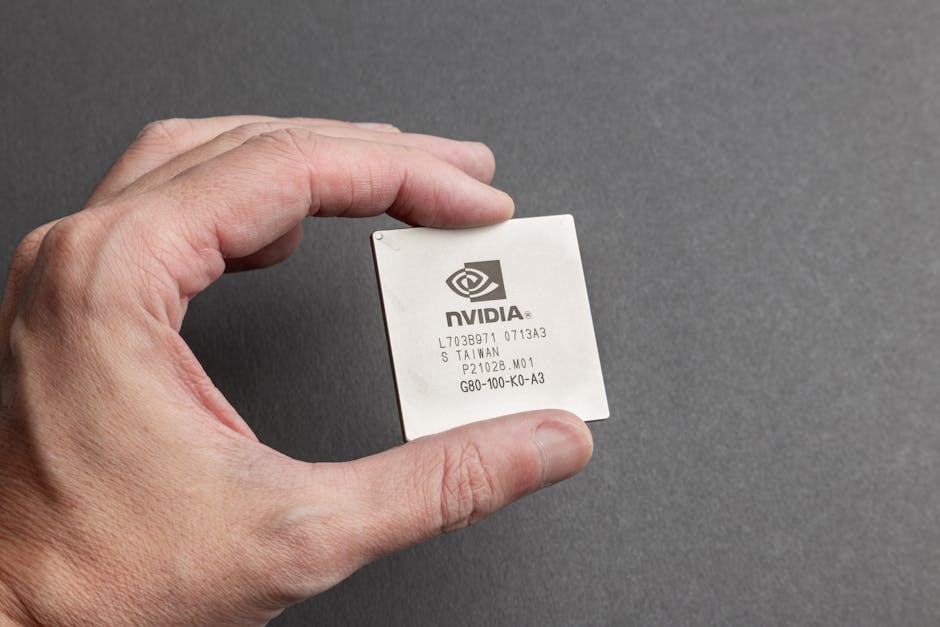
- General Compute is betting that SambaNova will be the next breakout chipmaker, putting Nvidia on notice once again.
The Billion-Dollar Bet: Apple Commits to Amazon for AI Silicon
According to a detailed report from TechCrunch published on May 28, 2026, Apple has entered into a five-year strategic agreement with Amazon to secure custom processors for artificial intelligence workloads. The deal is estimated to exceed $1 billion, based on information from a person familiar with the negotiations. Neither company has released an official statement, but Apple has confirmed it is working with Amazon on the initiative.
This is not a routine procurement contract. It represents a deep, long-term bet on Amazon's ability to deliver specialized AI chips at scale. For Apple, which has historically relied on its own A-series and M-series chips for devices, the move signals a recognition that cutting-edge AI compute — particularly for cloud-based and hybrid AI features — requires a different kind of silicon. Partnering with a hyperscaler like Amazon offers access to massive, optimized infrastructure without the multi-billion-dollar R&D investment of building entirely from scratch.
The deal underscores how tightly the cloud and AI compute are now intertwined. Hyperscalers are becoming the primary gatekeepers of the chips that power next-generation AI.
For Amazon, the agreement further cements AWS's role as a critical supplier in the AI ecosystem. It follows a pattern of large enterprises locking in chip capacity years ahead, ensuring they have the hardware necessary to train and deploy models at scale.
A New Siri for iOS 27: Apple Takes Aim at ChatGPT
At the same time, Apple is preparing a dramatic refresh of its digital assistant. Leaked renders of the upcoming iOS 27 show a redesigned Siri experience, including — for the first time — a standalone Siri application. The overhaul is clearly aimed at making Siri more competitive in an era dominated by chatbot assistants like ChatGPT.
While full details of Siri's new capabilities have not been disclosed, the standalone app suggests that Apple is investing heavily in a more conversational, always-available AI experience. The combination of a secure, custom chip supply from Amazon and a completely revamped Siri could give Apple a unique end-to-end advantage in consumer AI.
However, the road ahead is not without hurdles. As enterprise AI leaders warned at TechCrunch Disrupt, companies are now scrutinizing AI safety and reliability before deploying widely. Apple's closed ecosystem and strong stance on privacy could be advantages — but only if the new Siri delivers both performance and trustworthiness.
Enterprise AI Enters a New Phase: Excitement Yields to Safety
A key theme from the day's announcements was the maturation of enterprise AI. During a session at TechCrunch Disrupt, executives described a fundamental shift in how companies approach AI adoption. The conversation has moved from "is this technology exciting?" to "can we deploy it safely at scale?"
As one panelist put it, companies are moving past the excitement stage and into a phase of rigorous safety evaluation. The question is no longer about potential — it is about risk.
This caution may slow some adoption timelines, but it also creates opportunities for vendors that can demonstrate reliability, transparency, and compliance. Apple's decision to pair its Siri overhaul with a major chip investment suggests it is betting that tightly integrated hardware and software will enable the kind of controlled, safe AI that enterprises demand.
Snowflake and Visa Double Down on Cloud AI
Snowflake also made headlines with its own five-year agreement with Amazon for AI chip access. The deal is described as "enormous" in the TechCrunch report, though no specific financial terms were disclosed. It mirrors Apple's strategy of locking in long-term compute capacity, and it reinforces the idea that data cloud platforms see AI chips as critical infrastructure.
Meanwhile, Visa revealed that more than 1,000 of its employees are now using Replit for prototyping and development of agentic payment systems. Replit's browser-based development environment allows teams to quickly build and test AI-powered financial flows. The scale of Visa's internal adoption — over a thousand users — indicates that AI prototyping is moving from experimental projects to mainstream engineering practice.
Visa's use of Replit for agentic payments shows how AI is not just about infrastructure — it is being embedded directly into the products that move money around the world.
The Chip Race: Nvidia on Notice as New Contenders Emerge
The flurry of custom chip deals has direct implications for Nvidia, which has dominated the AI accelerator market. The emergence of General Compute, a firm betting on SambaNova as the next breakout chipmaker, signals that investors see room for alternative architectures. SambaNova's reconfigurable dataflow approach aims to offer more flexibility than Nvidia's fixed architecture, potentially unlocking efficiency gains for certain AI workloads.
"Nvidia is once again being put on notice," the TechCrunch coverage emphasizes. With hyperscalers like Amazon and Apple locking in custom silicon, the era of Nvidia being the sole supplier of high-end AI chips is drawing to a close.
General Compute's bet on SambaNova is a vote of confidence in the idea that AI compute will become more specialized and fragmented. If successful, it could open up the chip market to multiple players, each optimized for different parts of the AI stack.
Looking Ahead: What the Deals Signal for the Next Five Years
As the dust settles on a remarkable day of enterprise AI announcements, several long-term trends come into focus. First, the hyperscalers — Amazon, Google, and Microsoft — are becoming the indispensable infrastructure layer for AI. Apple's decision to partner with Amazon rather than building its own cloud chip division reinforces this reality.
Second, consumer AI is entering a new competitive phase. With Siri's overhaul in iOS 27, Apple is re-entering the assistant wars in earnest. The success of this bet will depend on whether the new Siri can match the conversational ability of leading chatbots while maintaining Apple's hallmark privacy and user experience.
Third, enterprise AI adoption is shifting from a focus on excitement to a focus on safety and reliability. Companies that can prove their AI systems are robust and trustworthy will have a significant edge.
Finally, the chip market is becoming more contested. Nvidia still leads, but the combination of custom hyperscaler chips and emerging startups like SambaNova is creating a more diverse ecosystem. The next five years will determine not just who builds the best AI, but who controls the infrastructure it runs on.
The message from the day's news is clear: the AI industry is no longer about debate — it is about deployment, and the winners are those who can secure the compute, the software, and the trust to make AI work at scale.