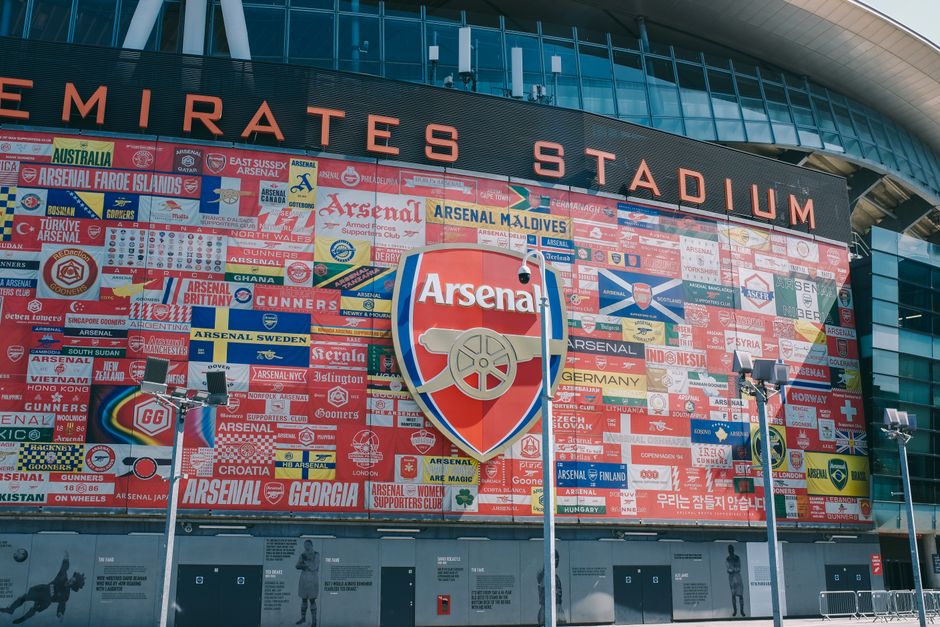
Arsenal’s historic Premier League triumph has put fan tokens back on the map, while Barcelona’s financial ingenuity – including crypto deals – reshapes how clubs acquire talent.
What to know
- Arsenal won its first Premier League title in 22 years, ending a long drought and triggering a surge in interest around fan tokens.
- Barcelona is leveraging crypto partnerships as part of a broader creative financial strategy to overcome tight spending limits.
- The Catalan club saw its €20M bid for Karim Adeyemi rejected by Borussia Dortmund, highlighting constraints despite innovative financing.
- Barcelona's BAR fan token experienced high volatility, driven by event-based attention cycles around World Cup quarter-final matches.
- The Guirassy transfer saga and Cole Campbell’s move underline the growing role of crypto-sport sponsorships in shaping transfer strategies.
- Anthony Gordon headlines the World Cup quarter-final, bringing additional spotlight to token-linked narratives.
- The intersection of football and blockchain is moving from experimental to operational, with both opportunities and risks for clubs and investors.
The Fan Token Surge: Arsenal's Victory and Market Reaction
When Arsenal lifted the Premier League trophy for the first time in 22 years, the celebration wasn’t confined to the pitch. Across digital asset markets, fan tokens tied to the club experienced a notable uptick in trading volume and price. While the club’s own fan token (if any) was not explicitly named in the reports, the broader category of football fan tokens caught a wave of renewed interest.
This phenomenon is not new, but it is increasingly potent. The correlation between on-field success and token valuation has been observed in other clubs, yet Arsenal’s long-awaited title provided a particularly strong signal. Investors and fans alike speculated on the token's potential, driving short-term volatility. The question now is whether this interest will sustain or fade once the initial euphoria subsides.
The Premier League title win serves as a proof-of-concept: major sporting achievements can translate into tangible digital asset movements. For clubs considering issuing or promoting fan tokens, the Arsenal example offers both a template and a warning. The rally may boost adoption, but it also exposes holders to event-driven swings that can be as harsh as they are sudden.
Barcelona's Creative Finance: Crypto Partnerships and Player Acquisition
Barcelona has long operated at the financial edge. Under strict La Liga spending caps, the club has turned to creative solutions, including the sale of future revenues and – more recently – crypto partnerships. The Trend data reveals that Barcelona’s financial strategies, which include collaborations with blockchain platforms, are being used to facilitate player acquisitions that would otherwise be impossible under traditional constraints.
This shift is not merely experimental. It represents a fundamental rethinking of how top-tier football clubs access capital. By tokenizing assets or leveraging fan tokens as collateral, clubs can unlock liquidity without taking on conventional debt. For Barcelona, these tools are becoming essential to remain competitive in the transfer market.
However, the rejection of their €20M bid for Karim Adeyemi by Borussia Dortmund shows the limits of creative finance. The bid may have been structured with crypto-backed components, but it still fell short of Dortmund’s valuation. This suggests that while crypto can bridge gaps, it cannot replace the fundamentals of player valuation and negotiation.
The Adeyemi Saga: Rejected Bid and the Crypto Angle
The Adeyemi transfer story is a case study in the new financial dynamics of football. Borussia Dortmund turned down Barcelona’s €20M offer, a move that, on the surface, appears purely traditional. But the crypto angle runs deeper. Reports from Crypto Briefing indicate that Barcelona intended to use proceeds from fan token revenues and partnership deals to fund the bid. This linkage between digital asset strategies and real-world player acquisitions is exactly what analysts have been watching.
The rejection forces Barcelona to recalibrate. It may increase the urgency for the club to generate more value from its crypto initiatives, whether through token sales, sponsorship renewals, or new blockchain-based revenue streams. Meanwhile, Adeyemi remains at Dortmund, a player whose market value is influenced not just by performance but by the financial engineering around him.
Volatility in Focus: BAR Token and Event-Driven Speculation
Barcelona’s own BAR fan token has experienced notable volatility, as reported on July 9, 2026. The swings are linked to event-based attention cycles, particularly around the World Cup quarter-final featuring Anthony Gordon. When a player or match captures global interest, the associated token often sees a speculative bump.
This pattern is consistent with earlier fan token behavior: price action is heavily influenced by news flow, match results, and social media sentiment rather than underlying club fundamentals. For holders, the risk is clear. A single match defeat or negative headline can erase gains built up over weeks. The speculative nature of sports tokens means they behave more like binary options than long-term investments.
The World Cup stage amplifies this effect. With Anthony Gordon headlining the quarter-final, the spotlight on Barcelona and its token intensified. Yet the volatility cuts both ways – the same attention that drives prices up can also lead to sharp corrections when the event passes.
The Broader Trend: Crypto Sponsorships Shaping Transfers
Beyond individual clubs, the football-crypto intersection is becoming a structural force. The timeline mentions two notable developments: the Guirassy transfer saga and Cole Campbell’s move, each underscoring the influence of crypto sponsorships.
In the Guirassy case, the integration of blockchain technologies added layers of complexity and financial implications to the transfer. Such deals often involve tokenized incentives, sponsorship clauses, or even partial payments in cryptocurrency. For clubs, these arrangements offer flexibility but also introduce regulatory and counterparty risks.
Cole Campbell’s transfer from Borussia Dortmund to Elversberg (implied) highlights how crypto-sport sponsorships are shaping player movements at all levels. The deal structure likely involved elements of brand exposure for crypto partners, linking player transfers directly to digital asset marketing.
These examples show that crypto is no longer peripheral to football. It is becoming a core component of transfer negotiations, fan engagement, and club financing. The Crypto Briefing reports capture this shift, noting that the influence of such sponsorships is "reshaping player transfer and club strategies."
Looking Ahead
As Arsenal basks in its title glory and Barcelona continues its financial tightrope walk, the fusion of football and crypto enters a defining period. Fan tokens are likely to see increased adoption, but their volatility requires careful risk management from both clubs and investors. Barcelona’s creative finance model, including deeper crypto integration, may set a precedent for other financially constrained clubs.
The World Cup quarter-final featuring Anthony Gordon will provide a near-term test of how event-driven cycles affect token valuations. Meanwhile, the rejected Adeyemi bid reminds everyone that crypto solutions have limits – player valuation remains grounded in footballing reality.
What happens next depends on several factors: regulatory clarity around fan tokens, the willingness of clubs to embrace blockchain fully, and the performance of tokens in the face of competitive outcomes. One thing is certain: the digital and sporting worlds are merging faster than ever, and both Arsenal and Barcelona are at the front of the wave – for very different reasons.