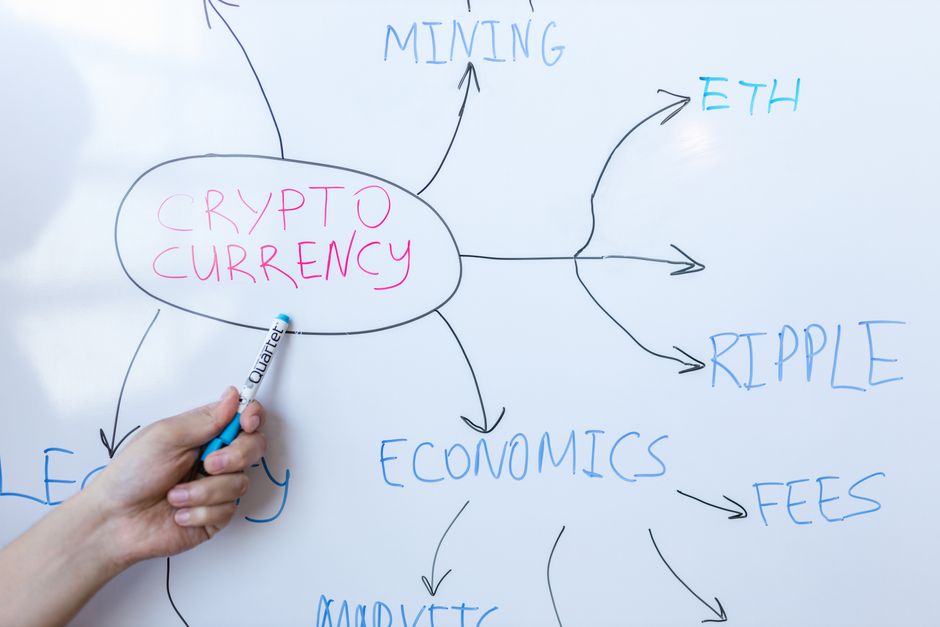
Crypto markets often fixate on price charts, but July 14, 2026, delivered a different kind of signal: infrastructure, security, and compliance are now the pillars shaping the industry's future.
What to Know
- The Injective ecosystem experienced an SDK compromise that put wallet private keys back in the security spotlight, raising alarms across decentralized finance.
- The Ethereum Foundation launched a push for clear signing, aiming to solve crypto’s long-standing “blind approval” problem where users sign transactions without full context.
- Chainalysis added automatic stablecoin support to its compliance platform, addressing the growing challenge of token sprawl for regulatory teams.
- A new proposal for an NFT Skill Registry would give ERC-721 tokens a more active role in on-chain automation, expanding the utility of non-fungible assets.
- Ethereum research threads placed Sybil resistance back in focus for decentralized networks, a critical issue for governance and airdrop fairness.
- These developments collectively underscore that the most consequential crypto stories often happen under the hood, not on the ticker.
Injective SDK Incident: Security Flashpoint
On July 14, the Injective ecosystem was shaken by a compromise of its software development kit (SDK). The incident directly targeted wallet private keys, a foundational element of user security. While the extent of the damage remains under investigation, the message is clear: even well-established blockchain networks are not immune to infrastructure-level vulnerabilities.
Security is not a feature—it's a continuous process. The Injective incident is a stark reminder that private key management remains the single most critical point of failure in crypto.
This event forces developers and users alike to revisit wallet security practices. It also raises questions about how SDK dependencies are audited and maintained. For Injective, which powers a suite of DeFi derivatives, the compromise could have ripple effects across its ecosystem if not contained swiftly.
Ethereum Foundation’s Clear Signing Push
Meanwhile, the Ethereum Foundation took aim at a pervasive user experience problem: blind approval. When users interact with dApps, they often sign transactions without fully understanding what they are approving. The foundation’s new “clear signing” initiative seeks to change that by requiring wallets to present transaction details in a human-readable format before signing.
This push targets the “blind approval” problem that has enabled countless exploits and phishing attacks. By making the signing process transparent, the Ethereum Foundation hopes to reduce user error and raise the security baseline for the entire ecosystem.
Blind approval has been crypto’s dirty secret for years. Clear signing could be the upgrade that finally closes the gap between security promises and real-world user experience.
Developers will need to integrate the new standards into wallets and dApps. While this requires effort, the payoff is a more trustable environment for mainstream adoption.
Chainalysis Automates Stablecoin Compliance
On the regulatory front, Chainalysis announced automatic stablecoin support for its compliance platform. As stablecoins proliferate and transaction volumes surge, compliance teams face “token sprawl”—the challenge of tracking a growing number of assets across multiple blockchains.
Chainalysis's update automates the detection and monitoring of stablecoin transactions, allowing compliance officers to focus on high-risk activity rather than manual tagging. This is a significant step for institutional adoption, where regulatory clarity and tooling are paramount.
Stablecoins are the backbone of crypto liquidity, but they also attract intense regulatory scrutiny. Automating compliance is not just efficient—it's essential.
The move positions Chainalysis as the go-to tool for exchanges and financial institutions navigating the increasingly complex stablecoin landscape.
NFT Skill Registry: ERC-721s Get Active
In a more forward-looking development, a proposal emerged for an NFT Skill Registry that would give ERC-721 tokens a more active role in on-chain automation. Traditionally, NFTs are static assets—proof of ownership for digital art or collectibles. This proposal envisions a registry where NFTs represent verifiable skills or credentials, and smart contracts can interact with them to automate tasks.
For example, a developer with a specific skill NFT could be automatically assigned to a bounty or governance role. This would turn ERC-721s from passive collectibles into active components of decentralized workflows.
NFTs are moving beyond art. The Skill Registry proposal hints at a future where tokens represent human capital, enabling automated, trustless collaboration.
If adopted, this could unlock new use cases in DAOs, freelancing, and credential verification, making the ERC-721 standard more versatile than ever.
Sybil Resistance Back on the Research Table
Finally, an Ethereum research thread focused on Sybil resistance for decentralized networks. Sybil attacks—where one entity creates multiple fake identities to game a system—are a persistent threat to governance, airdrops, and reputation systems. The research thread revisits old solutions and proposes new mechanisms, including reputation-weighted voting and proof-of-personhood.
This is particularly relevant as Ethereum layer-2 networks and DAOs grow in importance. Without robust Sybil resistance, decentralized decision-making can be easily manipulated.
Sybil resistance is the unsung hero of decentralization. Without it, every vote, every airdrop, every reputation system is just an invitation for manipulation.
The research underscores that even as crypto scales, fundamental security challenges remain unsolved.
Looking Ahead
July 14, 2026, was not a day of price fireworks, but it was a day of substance. The Injective SDK compromise, Ethereum Foundation’s clear signing push, Chainalysis’ stablecoin compliance, the NFT Skill Registry proposal, and Sybil resistance research all point to an industry maturing beyond speculation.
These are the stories that build the foundation for the next billion users. Security, usability, compliance, and utility are not buzzwords—they are the building blocks of a sustainable crypto ecosystem. As the industry moves forward, paying attention to these infrastructure-level shifts may be more valuable than watching the next price pump.