The 2026 World Cup has become an unexpected laboratory for the fusion of football and crypto. As underdogs advance and giants stumble, the fan token market is reacting in real time — exposing both promise and peril.
What to know
- Cape Verde reached the World Cup knockout stage for the first time, yet no official fan token exists for the island nation, underscoring the exclusion of smaller football federations from the token economy.
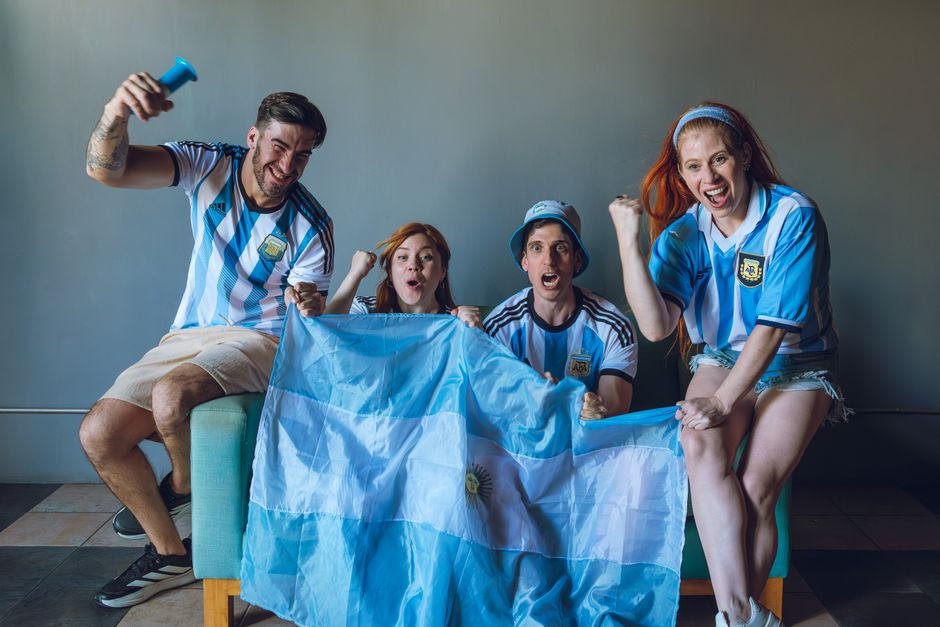
- Argentina survived a tense match against a lower-ranked opponent, triggering a surge in trading volume for its official fan token.
- Uruguay’s star Maximiliano Araújo delivered a match-winning performance, drawing attention to how individual heroics can move digital asset markets.
- Crypto fan tokens are designed to deepen fan engagement via voting rights, rewards, and access — but their value remains tightly tied to on-field results.
- The lack of a token for Cape Verde and the volatility around Argentina’s token highlight the speculative nature of these assets.
- Crypto Briefing reports that the intersection of sports and crypto is accelerating, with fan tokens seen as a new financial model for clubs and federations.
- Smaller nations face higher barriers to entry in the fan token space, risking a digital divide in global football.
- The psychological resilience of players like Lisandro Martínez (Argentina) also plays a role in token sentiment, as team morale can influence fan trading behavior.
The Underdog Story with a Digital Void
Cape Verde’s run to the World Cup’s later stages is the stuff of sporting dreams. A tiny archipelago with a population under 600,000, they have defied odds and traditional power structures. Yet in the parallel universe of crypto fan tokens, they are invisible.
While larger football nations and top clubs have rushed to issue fan tokens — often through platforms like Socios.com — Cape Verde has no such digital asset. This absence is not merely a missed opportunity; it underscores the structural challenges smaller football federations face in the crypto space.
Fan tokens require upfront investment, marketing infrastructure, and ongoing community management. For a federation with limited resources, the risk-reward calculation is daunting. The speculative nature of tokens means that even if Cape Verde launched one now, its value could plunge after a loss — exactly the scenario that played out elsewhere.
Argentina’s Scare and the Token Trading Frenzy
When Argentina scraped through a tough fixture, the drama was not confined to the pitch. According to Crypto Briefing, the scare sent trading of the Argentina fan token into overdrive. The volatile interplay between sports performance and digital asset markets was on full display.
Fans rushed to buy or sell based on the outcome, treating the token as a real-time barometer of national pride and perceived team strength. This reaction highlights a core feature — and risk — of fan tokens: their price is not just about utility but about emotion and speculation.
For Argentina, a football powerhouse with a passionate global fanbase, the token has liquidity and visibility. The brief scare showed that even established tokens are not immune to sharp swings based on a single match. For smaller nations without such fan depth, the volatility could be even more punishing.
Uruguay’s Hero and the Symbolic Power of Individual Performance
Uruguay’s Maximiliano Araújo became a poster child for the new crypto-football nexus. His decisive goal not only advanced his team but also shone a spotlight on the fan token economy. While Uruguay has its own token, Araújo’s individual brilliance demonstrated how a single player can become a catalyst for digital asset interest.
This is a double-edged sword. On one hand, it builds engagement — fans can feel more connected to players and clubs through token-based voting on kit designs or goal celebrations. On the other hand, it makes token prices dangerously reliant on human factors — injury, form, or a missed penalty.
The Risks for Smaller Nations and the Emerging Digital Divide
The Cape Verde case is the most cautionary. Without a fan token, the country misses out on a potential new revenue stream and a tool for fan engagement. Yet launching one without proper safeguards risks alienating fans and wasting funds.
The trend report explicitly warns that the absence of a token underscores crypto’s speculative nature, highlighting risks for smaller entities. This is not just about missing out — it is about the danger of jumping in unprepared. Small federations could be tempted by quick capital but may lack the expertise to manage tokenomics, legal compliance, and community trust.
Moreover, the digital divide may widen. Top clubs and wealthy national associations already have the resources to launch and maintain tokens, while smaller ones struggle. This could entrench existing power imbalances in global football, where financial muscle already dictates competitive success.
Fan Tokens as a New Financial Model — But for Whom?
Proponents argue that fan tokens can reshape the financial model of football. They offer clubs a way to raise funds without selling equity, and they give fans a stake in decision-making. The World Cup context shows how tokens can amplify engagement during major tournaments.
However, the model is still nascent and unregulated. The recent events — Argentina’s token spike, Uruguay’s hero-driven interest, and Cape Verde’s absence — illustrate a landscape that is as much about gambling as about community. Regulators are beginning to take notice, and the coming years may bring scrutiny around fan token sales, especially when targeted at younger fans.
Looking Ahead
As the 2026 World Cup progresses, the intersection of football and crypto will only deepen. Expect more knock-on effects: token price movements after each upset, more nations exploring token launches, and perhaps the first major regulatory intervention.
For Cape Verde, the fairytale may end without a token, but their journey has already sent a message: the future of football finance is digital, but it is not yet inclusive. The challenge for the industry will be to ensure that the benefits of fan tokens do not accrue only to the already powerful, and that smaller nations can participate without being burned by speculation.
Football has always been a story of David vs. Goliath. In the crypto era, the slingshot may be a fan token — but only for those who can afford one.