The 2026 World Cup is delivering more than football drama—it’s also becoming a live test case for the intersection of sports and cryptocurrency. With Portugal’s goalless draw against Colombia and Croatia’s tournament exit, fan token trading volumes surged, revealing a growing market appetite for digital assets tied to athletic competition.
What to know
- Portugal and Colombia played to a 0-0 draw in a World Cup 2026 group stage match.
- Following Croatia’s elimination, trading volumes for Portugal fan tokens saw a notable increase.
- Both Cristiano Ronaldo and Luka Modric are actively involved in crypto-related ventures.
- The rise in fan token trading was reported by Crypto Briefing, highlighting the growing mainstream acceptance of crypto in global sports.
- This event is influencing market dynamics and fan engagement strategies as digital assets become part of the sporting experience.
- The presence of crypto at the World Cup signals increased market confidence and visibility for the sector.
- Traditional sports culture, as seen with Algerian fans, contrasts with the crypto-driven trends, underscoring the diversity of fan engagement.
The Match That Moved Markets
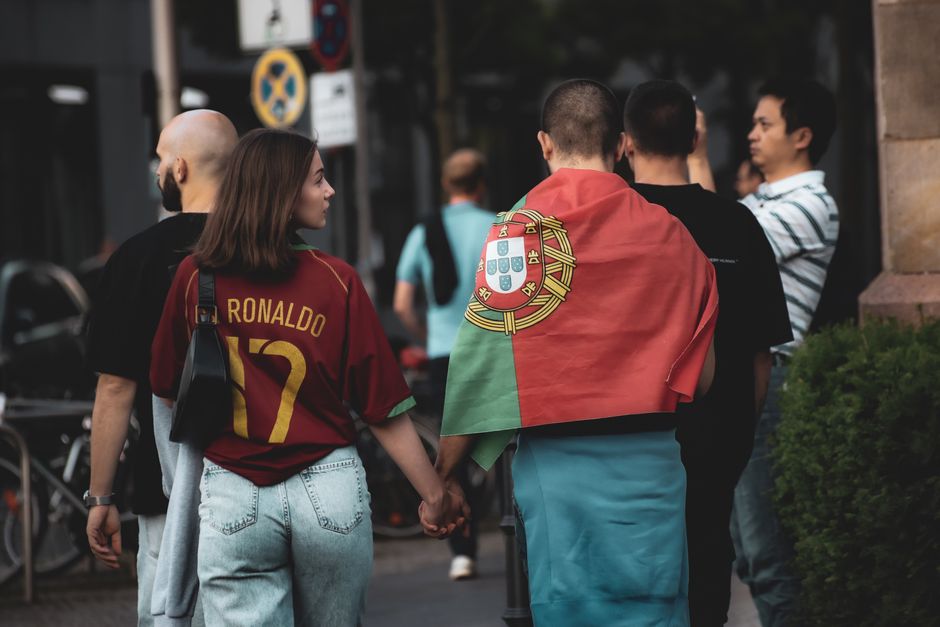
On July 3, 2026, Portugal faced Colombia in a World Cup match that ended in a goalless draw. The result itself was not the headline-grabbing scoreline many expected, but the ripple effects were felt far beyond the pitch. According to Crypto Briefing, the match and its surrounding events—including Croatia’s earlier exit from the tournament—triggered a surge in trading volumes for Portugal fan tokens.
This kind of volume spike is not entirely new in the world of fan tokens, but its scale and timing underline a broader trend. Crypto is increasingly woven into the fabric of major sporting events. Croatia’s departure from the World Cup created a vacuum of attention, and Portugal’s token holders and traders moved quickly. The data suggests that fans and speculators alike are using these digital assets as a way to express allegiance—and to trade on outcomes.
“The rise in fan token trading highlights the growing intersection of sports and crypto, influencing market dynamics and fan engagement strategies.” — Crypto Briefing
Crypto’s World Cup Playbook
Perhaps the most compelling narrative emerging from this event is the role of star athletes as crypto ambassadors. Cristiano Ronaldo and Luka Modric are both involved in crypto ventures that extend beyond mere endorsement. Ronaldo and Modric's projects are quietly shaping the sports-crypto playbook, as reported by Crypto Briefing.
These two icons represent different generations and nationalities, but they share a common interest in leveraging their personal brands within the digital asset space. Ronaldo’s ventures have included NFT collections and partnerships, while Modric has focused on fan engagement platforms. Their simultaneous presence at the World Cup—even as Croatia exited—creates a unique confluence of star power and market activity.
“Ronaldo and Modric’s crypto ventures highlight the growing intersection of sports and digital assets, influencing fan engagement and market dynamics.”
This is not just about celebrity endorsements. It’s about real economic incentives. Athletes are recognizing that fan tokens can provide a direct channel to their supporters, bypassing traditional intermediaries. In turn, fans are using these tokens to feel closer to the action, and in some cases, to speculate on team performance.
Fan Tokens: Gimmick or Gateway?
Skeptics have long dismissed fan tokens as a novelty, but the World Cup data tells a different story. The spike in Portugal fan token trading after Croatia’s exit is a concrete example of how tournament results can directly affect digital markets. It suggests that fan tokens are evolving from mere collectibles into functional assets with reactive pricing.
Crypto’s growing presence in global sports events is not accidental. Major leagues and clubs have been experimenting with tokens for years, but the World Cup offers a global stage unmatched in scale. The fact that Crypto Briefing reported this as a sign of “increased mainstream acceptance” indicates that industry observers see this moment as a turning point.
“Crypto’s growing presence in global sports events signals increased mainstream acceptance, potentially boosting market confidence and visibility.”
However, this is not without risks. Fan tokens are often highly volatile, and their value can swing wildly based on match outcomes, injuries, or even off-field news. For the uninitiated, this can be a dangerous playground. Yet for those who understand the dynamics, these tokens offer a new way to engage with sports fandom and market speculation simultaneously.
The Media Lens: Crypto Briefing
All of these developments were reported by Crypto Briefing, a publication that has tracked the convergence of digital assets and sports. Their coverage of the Portugal-Colombia match, Croatia’s exit, and the trading volume surge provides a coherent narrative: the World Cup is becoming a showcase for the crypto-sports nexus. The reporting itself is part of the story, as media attention further legitimizes the trend.
Contrasts and Convergence
Not every fan is on board with the crypto takeover. The timeline notes that “Algerian fans' fervor highlights the enduring power of traditional sports culture, contrasting with the crypto-driven trends in global events.” This serves as a reminder that while digital assets are gaining ground, the passion of traditional fandom remains powerful. The World Cup is a global melting pot where old and new forms of engagement coexist, sometimes in tension.
Looking Ahead
As the World Cup progresses, the impact of these events will likely deepen. More matches, more upsets, and more star performances will drive further trading activity. The success of Portugal fan tokens—and the involvement of players like Ronaldo and Modric—may encourage other teams and athletes to launch or promote their own tokens.
The intersection of sports and crypto is no longer an edge case; it is a recurring theme in major global events. For investors, fans, and regulators, the World Cup 2026 offers a real-time case study in how digital assets can integrate with the world’s most popular sport.
Mainstream acceptance is accelerating. The question is not whether sports and crypto will continue to converge, but how fast—and who will benefit most.