The 2026 World Cup is shaping up to be crypto’s biggest stage, as prediction markets, fan tokens, and major blockchain platforms collide with the world’s most-watched sporting event.
What to know
- Prediction markets tied to the 2026 World Cup have reached $2 billion in total volume, signaling a massive surge in crypto-powered sports betting.
- Kraken, Avalanche, and Chiliz are leading blockchain integration efforts, turning the tournament into a showcase for real-world crypto utility.
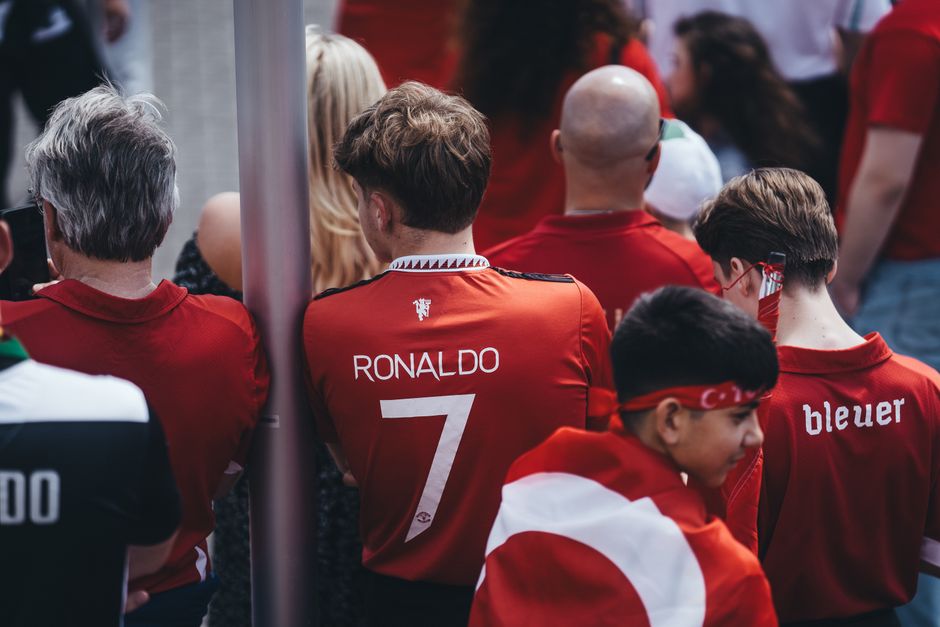
- Cristiano Ronaldo scored in his sixth consecutive World Cup — a first in football history — and fan tokens tied to the moment saw heightened activity and volatility.
- Morocco and Haiti are set to face off in World Cup Group C, with crypto prediction markets already pricing in odds for the match.
- The USMNT notably lacks major crypto sponsorships, highlighting a gap in engagement and potential revenue for American soccer.
- Crypto Briefing reports that fan tokens are experiencing sharp price swings as traders react to on-field results and off-field news.
The Big Stage: Kraken, Avalanche, and Chiliz Lead the Charge
Major crypto platforms are not waiting on the sidelines. Kraken, one of the longest-standing exchanges, has positioned itself as a bridge between traditional sports fans and digital assets. Alongside Avalanche — a high-throughput blockchain known for its DeFi ecosystem — and Chiliz, the company behind the Socios.com fan token platform, the trio is actively turning the 2026 World Cup into a live experiment in crypto utility.
What does this mean for the average fan? Instead of passively watching matches, supporters can now buy, trade, and speculate on fan tokens that claim to offer voting rights, exclusive content, or simply a stake in the emotional rollercoaster of the tournament. The lines between fandom and investment are blurring.
Prediction markets tied to the World Cup hit $2 billion — a number that dwarfs most standalone crypto betting platforms and hints at a paradigm shift in how global audiences engage with sports.
The $2B Volume Milestone
The $2 billion in prediction market volume is not just a vanity statistic. It reflects real demand from a global audience that is increasingly comfortable using crypto for event-driven speculation. While traditional sportsbooks still dominate, on-chain prediction markets offer transparency, instant settlements, and access without geographic restrictions.
Crypto Briefing notes that the surge in volume is concentrated around high-stakes matches and player milestones. Ronaldo’s record-setting goal, for example, saw a spike in related market activity. This kind of event-driven liquidity is a new force in sports finance — one that could reshape how leagues, teams, and broadcasters think about revenue.
Fan Tokens in the Spotlight: Ronaldo’s Record
When Cristiano Ronaldo found the net in what became his sixth World Cup appearance, the moment was historic — and it was also a trigger for crypto markets. Fan tokens associated with the Portuguese star and his current club saw increased trading volumes and price volatility. But the narrative cuts both ways: the same tokens that spike on good news can crash just as fast on a missed penalty or a team elimination.
Volatility remains the defining characteristic of fan tokens. While they bring a new layer of engagement, they also carry real financial risk for retail fans who may not fully understand the dynamics of crypto markets. The 2026 World Cup is a stress test for whether these tokens can provide lasting value beyond the initial hype.
Fan tokens are not just souvenirs — they are volatile assets that respond to live events. The World Cup is becoming the ultimate proving ground.
Missed Opportunities: USMNT and Crypto Sponsorships
For all the buzz around crypto and the World Cup, the United States Men’s National Team remains conspicuously absent from the sponsorship table. According to reports, the USMNT has not secured any major crypto partnerships, even as other national teams and tournaments embrace blockchain deals. This gap suggests either caution from American soccer authorities or lingering reputational concerns after the crypto crash of 2022.
Given that the 2026 World Cup will be hosted partly in the United States, the lack of domestic crypto sponsorship raises questions. Are regulators or brand managers wary? Or is the USMNT simply waiting for the right partner? Either way, it’s a missed chance to engage a younger, digitally native fanbase.
Looking Ahead
The 2026 World Cup is set to be a watershed moment for crypto in sports. With $2 billion already flowing through prediction markets, major platforms like Kraken, Avalanche, and Chiliz staking their claim, and a global superstar like Ronaldo drawing attention to fan tokens, the foundations are in place for a new era of fan engagement. But volatility, sponsorship gaps, and regulatory uncertainty remain real hurdles.
If crypto can deliver a stable, intuitive experience for the average football fan, the 2026 tournament could be remembered not just for the goals scored, but for the blockchain infrastructure that powered the world’s attention. If not, it may be just another speculative sideshow. Either way, the game is on.