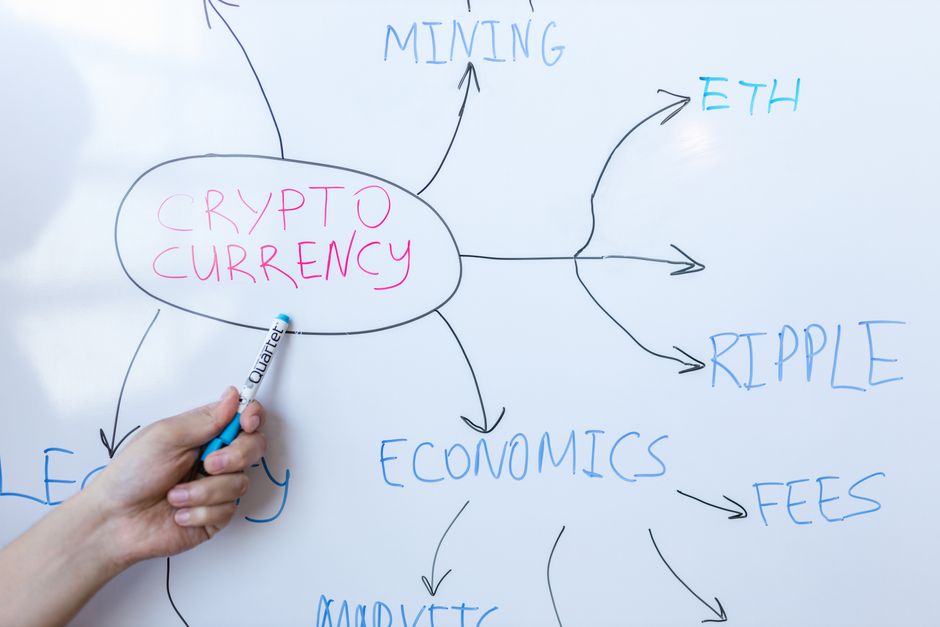
Blockchain had a chance to embed itself into the world's biggest sporting event. The 2026 World Cup marketing machine largely ignored it. The result? A missed play that left fans, players, and token markets wondering what could have been.
What to know
- Tim Payne's viral moment during the tournament highlighted that crypto was nowhere to be seen in official World Cup marketing.
- Morocco's upset victory over Brazil sent ripples through crypto betting markets and fan token valuations.
- Player Piero Hincapié, with Qatar experience, represents a potential bridge between football and blockchain.
- Crypto Briefing reports multiple angles on the intersection — from market volatility to fan engagement.
- The absence of crypto sponsorship suggests either institutional caution or a strategic oversight by FIFA.
- No major blockchain or crypto brand appeared as a World Cup 2026 sponsor, unlike previous events.
- Yet crypto fan tokens and betting platforms remain deeply intertwined with match outcomes.
The Viral Spotlight That Wasn't
Tim Payne, a name that trended across social media, became an accidental symbol of what was missing. His fame — tied to the tournament — had no connection to crypto, but it highlighted the gap. While fan tokens and blockchain-based engagement tools buzz in the background, the official stage remained crypto-free.
The absence of crypto in World Cup 2026 marketing suggests missed opportunities for blockchain to enhance global fan engagement and visibility.
Morocco's Shock Win and the Token Effect
When Morocco stunned Brazil in a 2026 World Cup match, the on-field drama resonated in digital markets. Crypto fan tokens linked to the Moroccan national team or players saw interest spike. Betting platforms recorded heightened volatility. This moment proved that sports outcomes directly influence crypto asset values — a trend only growing.
But without official sponsorship, these movements happen in a decentralized shadow. The match served as a case study: the blockchain is watching, even if the tournament isn't watching back.
Hincapié: The Player-Crypto Bridge
Ecuadorian defender Piero Hincapié, set to leverage his Qatar World Cup experience for 2026, represents a new archetype. Players who understand both the traditional football ecosystem and the emerging digital asset space could become key influencers.
Crypto's integration into football, as reported, could redefine fan engagement and player influence. Yet without a marketing push from the World Cup organizers, this potential remains untapped at scale.
Institutional Resistance or Missed Signal?
Why did the 2026 World Cup marketing ignore crypto? Possible explanations include regulatory uncertainty, reputational concerns, or simply a conservative approach by FIFA. Meanwhile, the crypto industry itself may not have marshaled the resources needed for a sponsorship of that magnitude.
The result is a disconnect: blockchain technology offers solutions for ticketing, fan tokens, NFTs, and transparent betting — all relevant to a global event — but none were officially adopted.
Looking Ahead
- Will fan tokens and crypto betting platforms grow more prominent without official backing?
- Could a player like Hincapié or a moment like Morocco's win catalyze a formal partnership for 2030?
- How will the crypto industry respond to being shut out of the world's largest sporting event?
The answer may shape the next decade of sports marketing.