As the US and Iran exchange fire and rhetoric, prediction markets are pricing in a grim outlook for de-escalation. The Strait of Hormuz remains at risk, and diplomatic prospects appear dim.
What to know
- The US has conducted targeted strikes on bridges and vessels in Iran, escalating the conflict significantly.
- Iran has warned of stronger retaliation against the US, raising fears of a broader regional war.
- A billboard in Tehran has appeared threatening former President Donald Trump, signaling rising domestic hostility.
- Hardliners within Iran are facing backlash as the costs of US strikes mount.
- The US House Republicans have advanced a $95B plan for military operations against Iran, potentially hindering diplomatic efforts.
- Prediction markets show only an 11.5% probability that Strait of Hormuz traffic will normalize by August 31.
- The odds of a US-Iran deal in 2026 that includes reconstruction funding stand at 26.5%.
The Escalation in Detail
The latest phase of US-Iran conflict began with targeted strikes on Iranian infrastructure, including bridges and vessels. These strikes represent a significant widening of the confrontation, which until recently had been characterized by proxy engagements and cyber operations. Iran's response has been swift: the government has issued warnings of "stronger retaliation," though specific targets have not been disclosed.
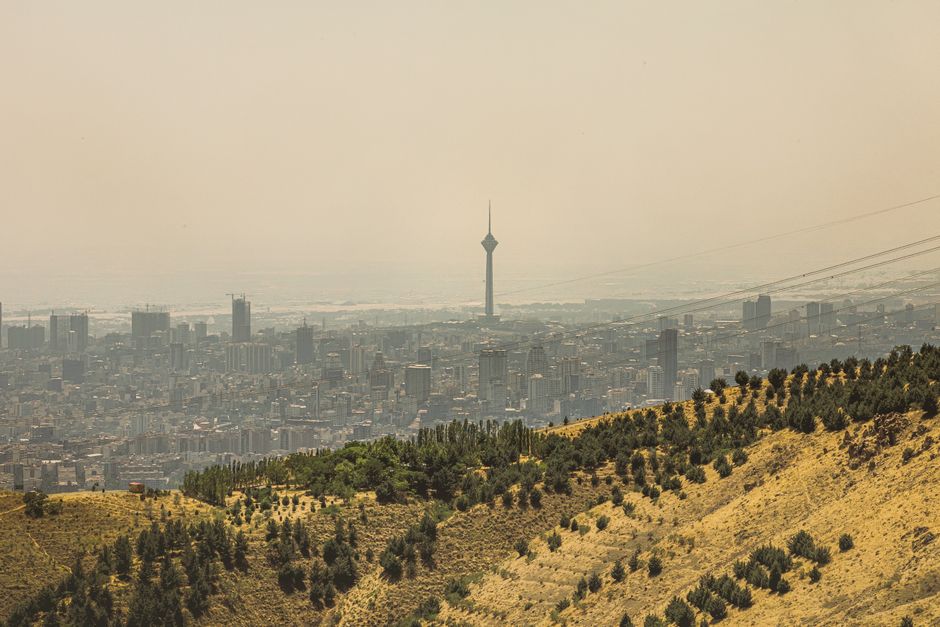
The timing is notable. Just days before the strikes, a billboard in Tehran appeared depicting former President Donald Trump as a target, signaling the depth of anti-American sentiment within the Iranian capital. While the billboard may be symbolic, it reflects the escalating rhetoric that now accompanies military action.
The Economic Pressure and Domestic Fallout
The cost of US strikes is mounting, and within Iran, hardliners are being blamed for the deteriorating situation. The regime's internal dynamics are under strain as the economic impact of the conflict becomes palpable. The $95B military plan advanced by House Republicans adds another layer: if passed, it would allocate massive resources to the campaign, potentially locking the US into a prolonged engagement.
For the global economy, the most immediate concern is the Strait of Hormuz, a chokepoint through which about 20% of the world's oil passes. Prediction markets are pricing an 11.5% chance that traffic returns to normal by August 31, meaning markets see a high probability of continued disruption. Any sustained closure could send oil prices soaring and risk a global recession.
What the Prediction Markets Are Saying
The numbers from prediction markets are stark. For the Strait of Hormuz normalization, the probability sits at just 11.5% YES. For a broader US-Iran deal with reconstruction funding in 2026, the odds are only 26.5% YES. These figures indicate deep skepticism that either military de-escalation or diplomatic resolution is imminent.
11.5%: Probability that Strait of Hormuz traffic normalizes by August 31. 26.5%: Probability of a US-Iran deal with reconstruction funding in 2026.
These are not just abstract bets; they reflect the aggregated expectations of informed traders. When the market says there is a 73.5% chance that no deal and no reconstruction funding will materialize by 2026, it signals a belief that the conflict will either persist or escalate further.
The Regional and Global Stakes
The immediate sufferers are the populations of Iran and the broader Middle East. Iranians face economic hardship and military strikes; neighboring states fear spillover. For the US, the costs are financial (the $95B plan) and strategic, as the conflict diverts attention from other priorities like Ukraine and the Indo-Pacific.
Global markets are watching the Strait of Hormuz nervously. Any sustained disruption would impact oil prices, shipping insurance, and energy security for Europe and Asia. The low probability of normalization suggests traders expect continued harassment of vessels or even a blockade.
Looking Ahead
The next weeks are critical. Iran has promised stronger retaliation, which could trigger another US response. The $95B plan, if passed, would deepen US commitment. Meanwhile, the prediction markets will likely adjust rapidly as new events unfold. The 11.5% probability for Hormuz normalization may drop further if attacks continue. The 26.5% chance of a 2026 deal may rise only if there are signs of backchannel diplomacy or a change in leadership.
For now, the trajectory is clear: escalation, not de-escalation. The world watches as two nations push closer to a conflict that could reshape the Middle East and the global economy.