Two seismic results — FUT Esports dismantling G2 on Ascent, and G2 clawing through a three-map thriller against Legacy — have laid bare the brutal volatility of professional esports. At the same time, the slow retreat of crypto sponsorship dollars is quietly rewriting the business playbook for teams and tournaments.
What to know
- FUT Esports defeated G2 Esports 13–6 on Ascent at VALORANT Masters London, a result that underscores the tournament's fierce unpredictability.
- G2 earlier eliminated Legacy from IEM Cologne Major 2026 in a three-map series, highlighting their resilience under pressure.
- ZywOo delivered a standout performance on Overpass, reinforcing the ever-rising skill ceiling in competitive Counter-Strike.
- The decline of crypto sponsorships in esports is accelerating, altering brand visibility and forcing teams to seek alternative revenue.
- Crypto-focused media outlet Crypto Briefing has been covering these developments, signaling a continued link between digital asset markets and the esports ecosystem.
- Industry observers point to growing inconsistency among top-tier teams — even dominant squads like G2 can suffer unexpected losses.
- The convergence of in-game upset and sponsorship shift suggests the esports world is entering a period of structural transition.
The Turning Point on Ascent
The scoreline was decisive: 13–6. FUT Esports did not just beat G2 — they dismantled them on their own map pick at VALORANT Masters London. For a squad that entered the matchup as clear underdogs, the result sent shockwaves through the competitive scene. The match highlighted how narrow the margin for error has become at elite levels. A single misread, a momentary lapse in coordination, and a powerhouse like G2 can find itself chasing the game from the pistol round onward.
This is not an isolated incident. The 2026 season has been marked by a series of unexpected outcomes, with lower-seeded teams increasingly able to topple established giants. For fans, this volatility is exhilarating; for players and coaches, it is a constant source of pressure. Every tournament is now a minefield where reputation offers little protection.
G2’s Grit at IEM Cologne
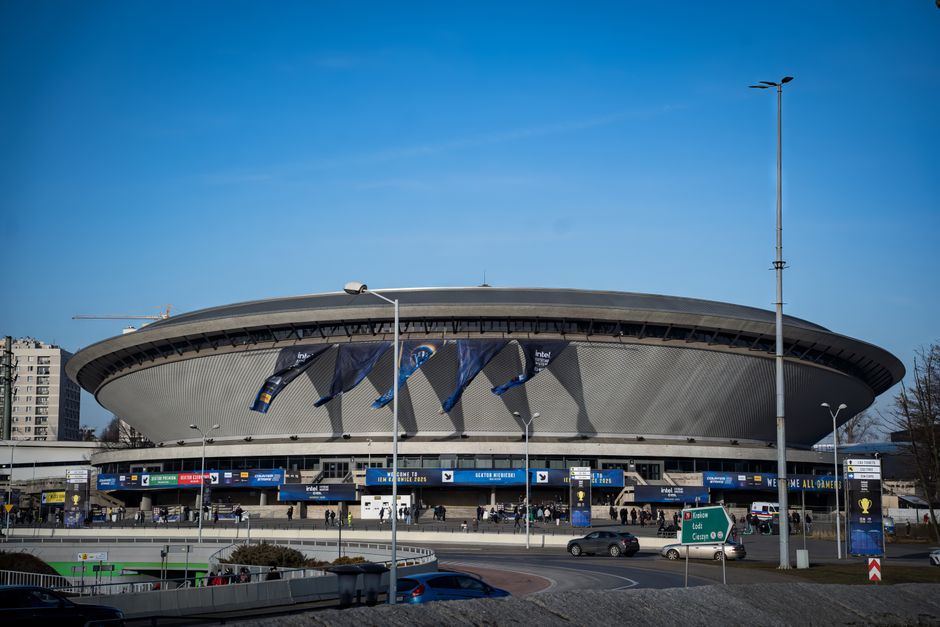
Just days earlier, G2 had demonstrated their own capacity for survival. Facing elimination against Legacy at IEM Cologne Major 2026, they dug deep across a grueling three-map series. The victory was hard-fought, and it underscored the competitive intensity that makes Cologne one of the most respected names in esports. Yet the same team that showed such resolve against Legacy could not replicate that form against FUT.
This inconsistency is not unique to G2. Across Counter-Strike and VALORANT, top rosters are struggling to string together dominant runs. The era of a single super-team ruling for months on end appears to be giving way to a more fluid hierarchy. Teams that invest heavily in analytics, mental coaching, and adaptability are gaining an edge over those that rely solely on raw firepower.
ZywOo and the Rising Skill Ceiling
No discussion of recent events is complete without acknowledging ZywOo's performance on Overpass at IEM Cologne. The French star once again demonstrated why he is considered among the most talented players in Counter-Strike history. His impact on the map was decisive, and his ability to produce highlight-reel plays under tournament pressure remains a benchmark for the entire scene.
Yet even ZywOo cannot single-handedly guarantee consistency. The evolving skill ceiling means that individual brilliance is now often neutralized by disciplined team structures. Opponents study tendencies, prepare counter-strategies, and execute with precision. The gap between stars and role players has narrowed, making every round a battle of systems rather than solo heroics.
The Vanishing Crypto Dollar
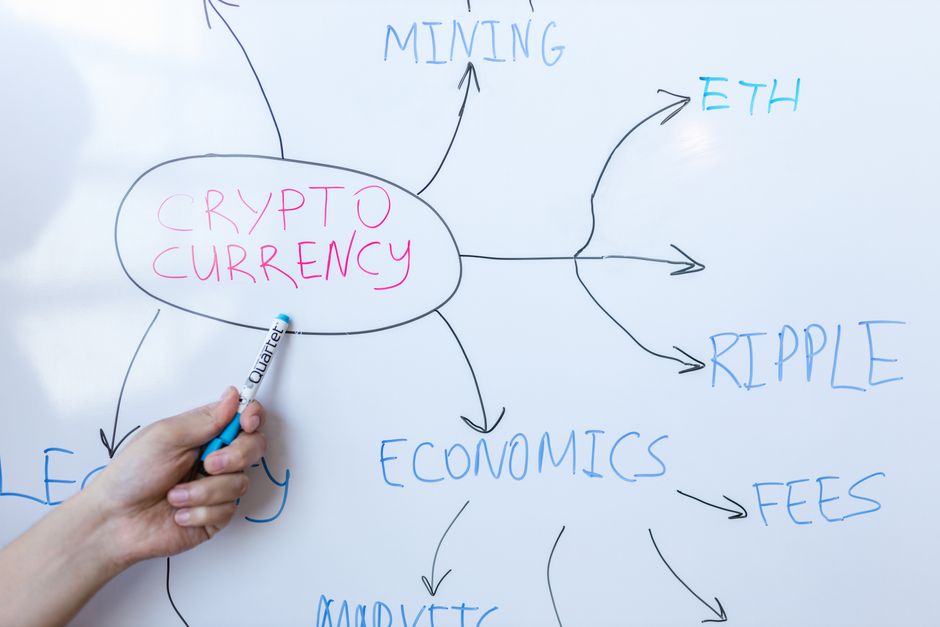
While the competitive drama unfolds on stage, a quieter transformation is happening behind the scenes: the retreat of crypto sponsorships. For several years, exchanges, blockchain platforms, and NFT projects poured money into esports, sponsoring teams, tournaments, and streamers. That wave is now receding. The decline has been sudden and sharp, driven by market downturns, regulatory scrutiny, and a loss of public trust in digital assets.
Crypto Briefing, a news outlet that has extensively covered both esports competitions and the intersection of crypto with gaming, has tracked this shift closely. Their reporting indicates that teams once buoyed by crypto deals are now scrambling to replace lost revenue. Brand visibility for crypto projects has plummeted, and investor strategies are being recalibrated away from flashy sponsorships toward more sustainable partnerships.
The impact is felt most acutely by mid-tier organizations that relied disproportionately on crypto funding. Top teams like G2 and FUT have diversified revenue streams, but even they are not immune. The loss of crypto dollars is compressing margins and accelerating the need for new business models — from media rights to merchandise to direct fan monetization.
What This Means for the Esports Economy
The simultaneous shocks — competitive upheaval and sponsorship contraction — are reshaping the esports landscape in real time. Teams can no longer count on a single dominant player or a generous crypto sponsor to carry them through lean periods. The pressure to perform is now matched by the pressure to balance the books.
This dual strain is likely to increase the churn among rosters. Organizations facing financial headwinds may be quicker to drop underperforming players or disband lineups altogether. The incentive to develop young talent, which is cheaper than buying established stars, will grow stronger. Scouting and academy systems could become the primary competitive advantage in the coming years.
For tournament organizers like IEM Cologne and VALORANT Masters London, the sponsorship gap poses a different challenge. They must attract a new generation of non-crypto brands — automotive, consumer goods, technology — while maintaining the production quality that fans expect. The window is narrow, but the opportunity is real. Esports viewership remains strong, and the demographic is attractive to mainstream advertisers.
The Human Element
Behind the data and the dollars are the players, coaches, and staff who live this volatility every day. The emotional toll of a 13–6 defeat on a global stage is immense. The pressure of a three-map elimination match can break even the most seasoned veterans. The uncertainty of a sponsorship deal falling through adds stress that no amount of practice can mitigate.
Yet the resilience of the esports community is also on display. Teams adapt, rosters reshuffle, and new heroes emerge. The unpredictability that makes esports thrilling is also what makes it fragile. Balancing excitement with stability is the central challenge facing the industry as it matures.
Looking Ahead
As IEM Cologne continues and VALORANT Masters London progresses, all eyes will be on how G2, FUT, and the other contenders adjust. The immediate future holds more matches, more upsets, and more stories. But the longer-term trajectory hinges on whether the industry can replace the departing crypto dollars with sustainable revenue and whether teams can find the consistency that currently eludes them.
The volatility is not going away. The question is whether the ecosystem can absorb it — and emerge stronger on the other side.