The IEM Cologne Major 2026 delivered more than a trophy ceremony — it signaled a realignment in esports power, funding, and talent scouting.
What to know
- Falcons Esport defeated FURIA 3-0 in the grand final of IEM Cologne 2026, becoming the first Middle Eastern organization to win a major CS2 tournament.
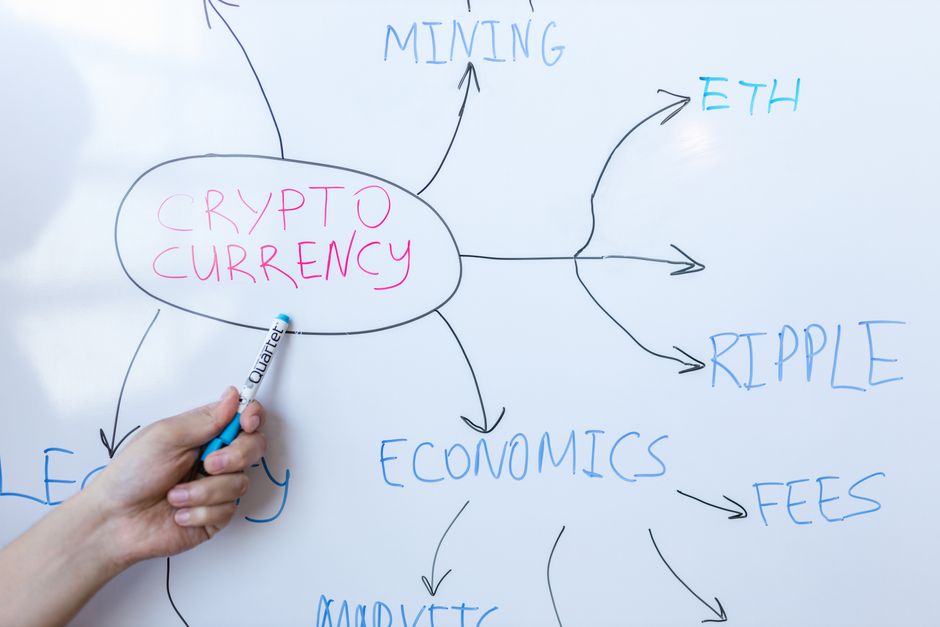
- The tournament lacked any visible crypto sponsorship, a stark contrast to previous years, indicating a broader retreat of digital asset brands from esports.
- 100 Thieves parted ways with CS2 player Ag1l after only five months, underscoring persistent challenges for western organizations building rosters.
- Valve’s revenue model changes threaten to push out weaker teams and reshape the competitive landscape.
- Young talents like molodoy (FURIA) and Lake (North America) broke out, with molodoy leading his team to a runner-up finish and Lake showcasing the growing NA talent pool.
- The event was covered extensively by Crypto Briefing, a crypto-native outlet, which framed the results as a pivotal moment for both esports and digital asset strategy.
The Falcons Ascendancy
Falcons Esport arrived in Cologne as a rising force, but few predicted a clean sweep. Their 3-0 demolition of Brazilian powerhouse FURIA was clinical, proving that the organization’s heavy investment in infrastructure and player development is paying off. The win marks more than a trophy — it signals a geographic shift. Middle Eastern teams, long seen as outsiders in a scene dominated by European and North American giants, are now legitimate contenders. With deep pockets and growing institutional support, Falcons may represent the vanguard of a new era in competitive CS2.
The Sponsor Reckoning
Perhaps more telling than the on-stage action was what wasn’t on the banners. IEM Cologne 2026 featured zero crypto sponsorship — a dramatic reversal from previous years when exchanges, protocols, and NFT projects flooded the scene. During the crypto bull run, sponsorships from FTX, Coinbase, and others were ubiquitous. Now, after the crashes, regulatory clampdowns, and reputational damage, those logos are gone.
This absence forces a critical question: where will the next wave of esports funding come from? Traditional brands remain cautious, and venture capital for gaming startups has cooled. Investors linked to digital assets are now being urged to reassess their strategies.
Roster Churn at 100 Thieves
Not everyone in Cologne was celebrating. 100 Thieves, a storied North American organization, announced it has parted ways with Ag1l, a CS2 player who had been on the roster for just five months. The move highlights a familiar struggle for western teams: building a cohesive squad capable of contending at the highest level. Frequent roster changes, combined with the pressure to perform, often lead to short-lived lineups. For 100 Thieves, this departure signals either a strategic pivot or a sign of deeper instability in their CS2 division.
Valve Tightens the Screws
Behind the scenes, a larger force is reshaping the competitive ecosystem. Valve, the developer of Counter-Strike, has implemented a new revenue model for esports teams. While details remain sparse, reports indicate that the changes are designed to ensure only financially sustainable organizations survive. Weaker teams — those dependent on short-term sponsorship deals or shallow revenue streams — may be forced out. For the so-called gaming-crypto nexus, this could be the final blow: teams that once relied on crypto cash may now find themselves without a seat at the table. The shift could concentrate power among the wealthiest teams, potentially stifling competition but also ensuring long-term stability for those who adapt.
The Youth Injection
Amid the structural shifts, one trend shone bright: the emergence of young talent. molodoy of FURIA was instrumental in their run to the grand final, earning personal accolades and signaling that the next generation of CS2 superstars is already here. On the North American side, Lake turned heads with standout performances, suggesting that the region’s talent pipeline is far from dry. For fans, this is the most encouraging sign — while money and sponsors may come and go, the quality of play continues to rise.
Looking Ahead
The IEM Cologne Major 2026 may well be remembered as a turning point. Falcons Esport’s victory put Middle Eastern esports on the map, while the disappearance of crypto sponsorships closed a chapter that began in the speculative frenzy of 2021. As Valve restructures the competitive model and organizations like 100 Thieves continue to reshuffle, the landscape is anything but static. Investors, teams, and players must adapt to a new reality: one where sustainability matters more than hype, and where the game itself is the only constant.