The Federal Reserve's latest policy decision leaves rates unchanged but opens the door for additional tightening, as inflation proves stickier than anticipated. Here's what the June 2026 FOMC meeting means for markets and the economy.
What to know
- The Federal Reserve held its benchmark interest rate steady at the June 2026 FOMC meeting.
- The central bank projects 2% GDP growth for 2026.
- The Fed signaled potential rate hikes later this year due to rising inflation concerns.
- Elevated interest rates and inflation above 2% are expected to persist until 2028.
- The Fed's cautious approach balances inflation control with moderate economic growth.
- Market dynamics may shift as prolonged high rates influence investment strategies and consumer spending.
- A potential rate pause in 2026 could stabilize expectations, but timing remains uncertain.
A Steady Hand, A Hawkish Signal
When the Federal Reserve concluded its June 2026 Federal Open Market Committee meeting, the decision itself was anticlimactic: rates held steady. But the accompanying projections and statements delivered a clear message—the fight against inflation is far from over. The Fed acknowledged that while economic growth remains on track with a 2% GDP projection, persistent price pressures could force additional tightening before the year ends.
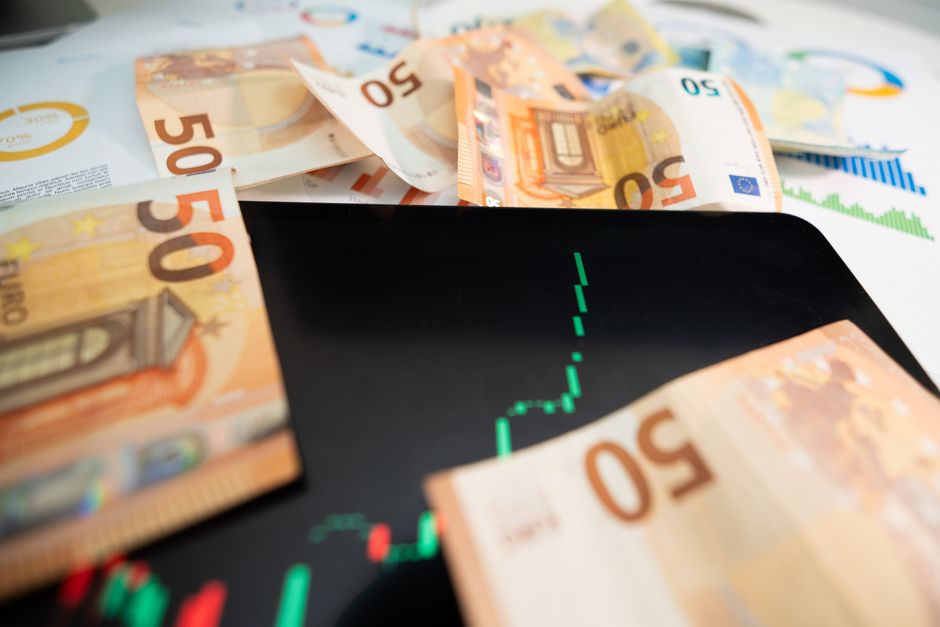
The Fed's steady rate approach suggests a cautious economic outlook, balancing inflation control with moderate growth.
This "wait and see" posture is not a sign of complacency. Quite the opposite. By holding rates steady, the Fed buys time to assess incoming data—particularly on inflation and employment—without committing to a path that might prove premature if conditions worsen. Yet the hawkish tilt of the dot-plot and economic projections indicates that further rate increases remain very much on the table. The decision reflects a deep uncertainty: the economy is growing at 2%, but inflation is not cooling fast enough. Every data point from here will be scrutinized for clues on the timing of the next move.
The Fed's steady-rate decision also underscores the delicate balance between supporting growth and controlling prices. The labor market remains tight, and consumer spending, while moderating, has not collapsed. In this environment, the central bank sees no urgent need to cut rates, but it also does not want to overtighten. The signal of potential hikes later in 2026 acts as a warning: if inflation does not continue to drift lower, the Fed will act. For markets, this means uncertainty—rate expectations will swing with each CPI and payrolls report.
The Long Haul: Rates and Inflation Through 2028
Perhaps the most striking element of the June 2026 FOMC meeting was the long-range forecast. The Fed now projects that both interest rates and inflation will remain above the 2% target through 2028. This extended timeline challenges the narrative that the post-pandemic inflation surge would be transitory or quickly resolved. The new dot plot shows a majority of officials see rates staying elevated, with the median projection for the federal funds rate above 3% even by the end of 2027.
Prolonged high rates and inflation may dampen economic growth, influencing investment strategies and consumer spending patterns until 2028.
For market participants, this means adjusting to a world where cheap money is a distant memory. The "higher for longer" scenario is now official policy guidance. The implications are broad: housing markets, corporate borrowing, and consumer credit all face sustained pressure. The Fed's own projections suggest that the neutral rate may also be higher than previously thought, altering the calculus for future policy decisions. Bond yields have already repriced to reflect this outlook, with the 10-year Treasury yield pushing higher as investors demand more compensation for holding long-term debt.
Investors must also consider the impact on growth sectors. Technology and other high-valuation areas, which benefited from low rates, are under renewed scrutiny. Real estate investment trusts and utilities—sectors often favored for their yield—may see their appeal diminish if rates stay high. The Fed's message is clear: the era of accommodative monetary policy is not returning anytime soon. Portfolios need to be built for a higher-rate world, with emphasis on quality, value, and shorter-duration assets.
Inflation Above Target: A Persistent Problem
The Fed's projection of inflation above 2% through 2028 highlights a structural challenge. The post-pandemic economy has seen supply chain shifts, a tight labor market, and changes in consumer behavior that have kept price pressures elevated. The central bank had hoped that rate hikes would bring inflation down more quickly, but core measures have proven stubborn. The new projections acknowledge that the return to 2% will be gradual, requiring patience.
This persistent inflation has real consequences. Households face higher costs for shelter, services, and physical goods. Wage growth, while strong in nominal terms, is being eroded by price increases. The Fed's own Beige Book has noted that consumers are becoming more price-sensitive, trading down and delaying large purchases. For businesses, input costs remain elevated, squeezing margins and forcing pricing decisions. The prolonged inflation outlook means that the Fed must maintain a restrictive stance, potentially at the cost of slower growth.
The central bank's communication also suggests that it is prepared to accept a period of below-trend growth if that is what it takes to restore price stability. The 2% GDP projection is modest, and the risk of a downturn remains. However, the Fed appears willing to risk a mild recession to ensure that inflation expectations do not become unanchored. This resolve is the cornerstone of its hawkish signal.
Market Implications and Investor Strategy
Financial markets reacted with a mix of resignation and recalibration. The Fed's signal that further rate hikes could come as early as later this year injects a degree of uncertainty into equity and bond markets. Investors must now weigh the prospect of tighter monetary policy against still-resilient corporate earnings and GDP growth. The immediate market movement saw stocks dip and bond yields rise, reflecting the hawkish repricing.
The Fed's potential rate hikes could reshape market dynamics, influencing investment strategies and economic forecasts amid inflation concerns.
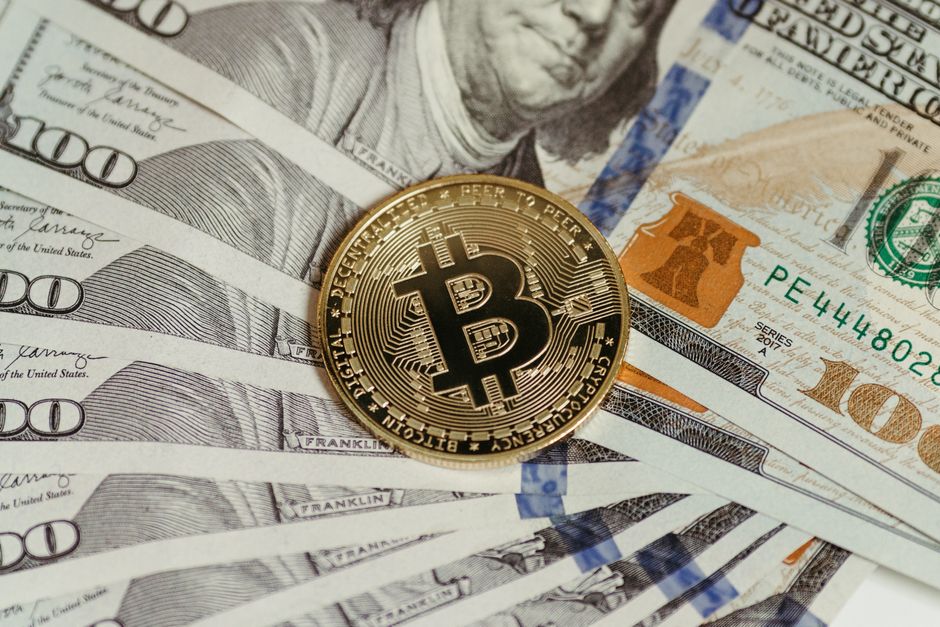
Bond yields moved higher on the hawkish outlook, while risk assets showed signs of sensitivity to the liquidity environment. According to Crypto Briefing, the Fed's stance has historically influenced risk appetite across asset classes. Cryptocurrencies, often viewed as a leading indicator of liquidity, saw increased volatility as traders assessed the implications of higher-for-longer rates. The dollar strengthened on the view that the Fed remains more hawkish than other major central banks.
For investors, the key strategy now is to remain defensive. High-quality bonds with shorter maturities offer attractive yields without excessive duration risk. Equities favor sectors with pricing power and stable cash flows—healthcare, consumer staples, and selected industrials. Growth stocks may face continued headwinds until there is clarity that the Fed is done tightening. The Fed's own projections suggest that even a rate pause in 2026 would not signal an imminent pivot to easing; instead, it would be a period of observation.
Cryptocurrency and Risk Assets
The Crypto Briefing report highlighted that crypto markets often react to Fed signals due to their sensitivity to liquidity. The steady rate decision, combined with hawkish projections, could lead to increased volatility in the coming weeks. Historically, risk assets, including cryptocurrencies, thrive in low-rate environments where search for yield drives capital into speculative instruments. The current outlook—rates high and staying high—challenges that narrative.
Bitcoin and other major digital assets have already shown correlation with equity markets and liquidity conditions. The Fed's insistence on tight policy may suppress additional inflows into the crypto space, though regulatory developments and adoption trends provide countervailing forces. The Crypto Briefing analysis notes that the market is watching for any shift in the Fed's language that could indicate a softer stance. For now, the message is firm: inflation control remains priority.
Who Bears the Brunt
The persistence of high rates and inflation will not be evenly distributed. Consumers face continued pressure on purchasing power as price gains remain above 2%. Mortgage rates, already elevated, are unlikely to retreat quickly, making home ownership more expensive and cooling the housing market. Renters also face higher costs as landlords pass through operating expenses. Auto loans and credit card rates are climbing, squeezing household budgets.
Businesses, especially those with variable-rate debt, will see interest expenses rise further. Small businesses, which often rely on lines of credit, are particularly vulnerable. Capital expenditure plans may be delayed as the cost of financing increases. On the investment side, strategies that thrived during the era of near-zero rates are being forced to adapt. Growth stocks, real estate, and long-duration assets are particularly vulnerable. The Fed's projections suggest that this environment extends into 2028, meaning portfolio adjustments should be structural, not tactical.
The Road Ahead: Rate Pause or Further Hikes?
The Fed's communications also left room for a potential rate pause later in 2026, depending on economic data. This dual scenario—either a pause or a hike—creates a nuanced outlook. If inflation shows signs of subsiding, the Fed could hold rates for an extended period, providing stability. If price pressures persist, additional tightening may be necessary.
The Fed's potential rate pause in 2026 could stabilize economic expectations, influencing investment strategies and market confidence.
The open question remains how quickly the Fed will act on its hawkish signals. The next few months of CPI reports and employment data will be critical in determining whether the central bank follows through with rate hikes or opts to hold steady for longer. Either way, the era of ultra-low rates is not returning soon. The Fed has made it clear that returning inflation to target is its north star, even if it means a longer period of high rates. Businesses and investors should plan accordingly.
Looking Ahead
The Federal Reserve has drawn a clear line: rates are steady for now, but the door to further tightening remains wide open. With inflation set to linger above target for years and growth moderating at 2%, the path forward is fraught with complexity. Investors, businesses, and consumers must plan for a landscape where policy stays restrictive and inflation proves stubborn. All eyes will be on the Fed's next move, and the data that shapes it. The coming quarters will reveal whether the Fed can thread the needle—taming inflation without tipping the economy into recession.