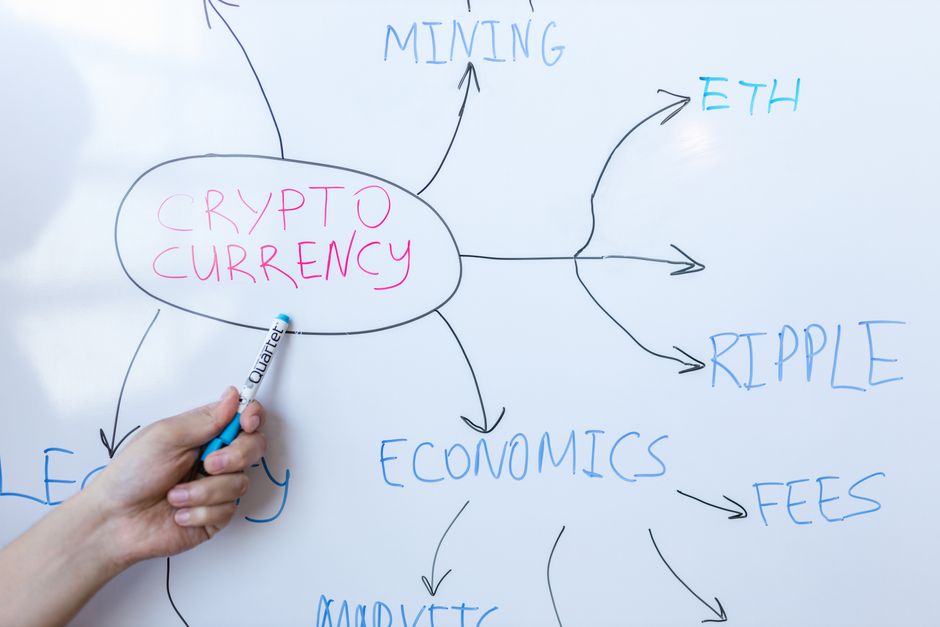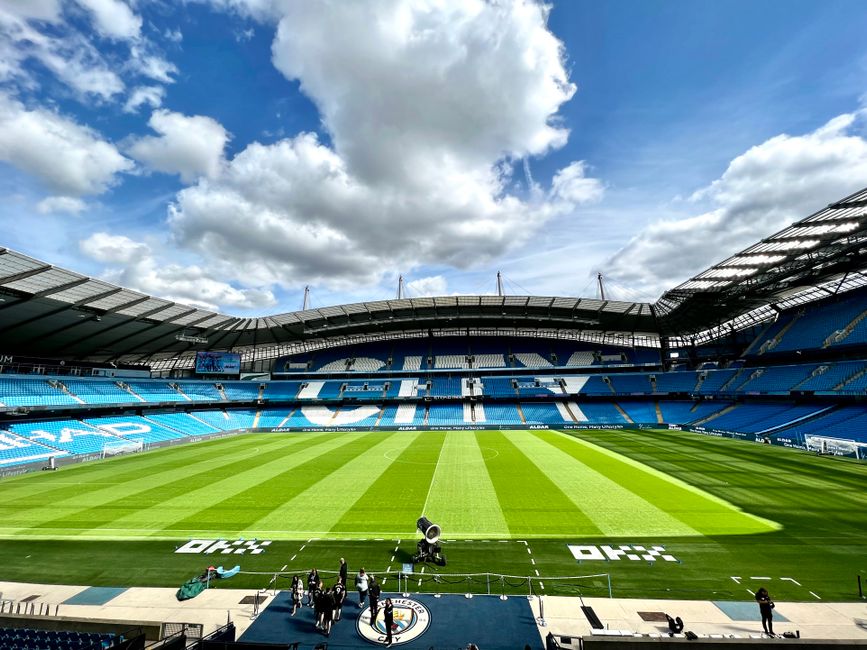
The intersection of football's soaring transfer market and the rise of crypto-based speculation is reshaping how clubs, players, and investors approach the beautiful game. From £50M valuations for defensive midfielders to tokenized "missed deals," the numbers tell a story of financial euphoria and potential risk.
What to know
- Bournemouth has placed a £50M valuation on midfielder Tyler Adams, signaling a new financial benchmark in the Premier League.
- Manchester United is actively pursuing Aurélien Tchouameni but faces internal wage structure concerns.
- The failed transfer of Haaland has become a focal point for crypto speculators, who are tokenizing the missed deal to capitalize on fan interest.
- Crypto Briefing reports that the Haaland tokenization highlights the growing intersection of sports and digital assets.
- Arsenal's recent failed bid for Bruno Guimarães underscores intensifying competition for top talent, further inflating player values.
- Barcelona's shift toward loan deals reflects a strategic pivot toward financial prudence, a contrast to the escalating fees seen elsewhere.
The Inflation of Player Valuations
The Premier League's transfer market has entered a new phase of financial escalation. Bournemouth's decision to slap a £50M price tag on Tyler Adams is the latest example of a trend where clubs prioritize financial leverage over intrinsic player value. Adams, a defensive midfielder with solid but not spectacular numbers, now finds himself at the center of a valuation that would have seemed absurd just a few seasons ago.
This inflation is not an isolated incident. Clubs across the league are recalibrating their asking prices, driven by a combination of increased broadcast revenues, sovereign wealth fund ownership, and the fear of missing out on future talent. The Premier League's global appeal ensures that demand for proven players remains high, but the gap between performance and price is widening.
Manchester United's pursuit of Aurélien Tchouameni exemplifies this tension. The French international is widely regarded as one of the best young midfielders in Europe, but his potential transfer fee—rumored to exceed £80M—has raised eyebrows at Old Trafford. According to Crypto Briefing, wage concerns have become a sticking point, as United's existing salary structure could be disrupted by Tchouameni's demands. The club's decision-makers are weighing the long-term financial implications of such a signing against the immediate need to strengthen the squad.
The Crypto-Football Nexus
Perhaps the most intriguing development in recent transfer news is the emergence of crypto-based speculation around missed deals. The Haaland saga—where the striker's £4M transfer to an unnamed club fell through—has become a case study in how digital assets are being used to monetize fan interest even when transactions fail.
Crypto Briefing reports that speculators have tokenized the missed Haaland deal, creating digital assets that capitalize on the narrative of "what could have been." This is a departure from the typical sports tokenization model, which usually involves active players or clubs. Here, the speculative value is derived entirely from the story of a transfer that never happened.
The trend raises important questions about the nature of value in sports finance. If fans are willing to invest in tokens tied to a failed negotiation, what does that say about the underlying economics? It suggests that the emotional attachment to football stars is strong enough to create financial instruments independent of on-field performance. This could open the door to a new asset class—"narrative tokens"—where the story itself becomes the product.
Club Finances Under Pressure
The combination of inflated transfer fees and the entry of crypto speculation is placing significant strain on club balance sheets. Manchester United, for instance, must decide whether to break their wage structure for Tchouameni or risk losing him to a rival. The club's commercial revenues are among the highest in the world, but financial fair play regulations and fan sensitivity to spending mean that every pound matters.
Bournemouth's £50M valuation of Tyler Adams is a gamble. If they can find a buyer at that price, it will validate their strategy of holding out for maximum value. But if the market cools, they may be left with an overvalued asset and unhappy player. The Premier League's financial dynamics are increasingly driven by FOMO (fear of missing out), with clubs willing to pay premiums to secure talent before competitors.
Meanwhile, the failed Arsenal bid for Bruno Guimarães highlights how rejected offers can reset market expectations. Newcastle's refusal to sell for less than their asking price sent a signal that mid-tier clubs are no longer pushovers. This cascading effect—where each rejected or accepted transfer influences the next—is creating a feedback loop of rising prices.
The Broader Implications for Football Finance
The intersection of traditional transfer markets and crypto speculation may have lasting consequences for how clubs operate. On one hand, tokenization offers a new revenue stream: clubs could issue fan tokens tied to potential transfers, raising capital upfront. On the other hand, it introduces volatility and regulatory risk. If the crypto market crashes, the value of these narrative tokens could evaporate, leaving investors holding worthless digital assets.
Crypto Briefing's reporting suggests that the Haaland tokenization is just the beginning. As more missed deals or speculative transfers become targets for tokenization, the line between sports fandom and financial speculation could blur further. This might attract a new class of investors to football, but it also raises ethical questions about commodifying human talent and the emotional bonds of fans.
Manchester United and other top clubs are watching closely. If the tokenization trend proves profitable, they may seek to create their own digital assets linked to transfer activities. However, the current lack of regulation means that such ventures carry significant legal and reputational risks.
Risks and Scenarios
The biggest risk in this evolving landscape is a disconnect between market prices and fundamental value. Tyler Adams at £50M is a bet on inflation continuing, not on the player's ability to deliver Champions League glory. If the bubble bursts—if broadcast revenues plateau or if a recession hits—clubs holding high-priced assets could face financial distress.
For crypto speculators, the risk is even starker. The Haaland tokens have no underlying asset other than fan sentiment. They are pure speculation, subject to the whims of a notoriously volatile market. Regulatory scrutiny is also likely to increase. Authorities may view these tokens as unregistered securities, leading to enforcement actions that could wipe out value.
On the positive side, the trend could democratize access to football finance. Small investors who could never afford season tickets or club shares can now bet on transfers. This might increase engagement and provide liquidity to the transfer market. However, the lack of transparency in token pricing and the potential for manipulation are serious concerns.
Who Is Affected
The primary stakeholders are the clubs themselves. Manchester United, Bournemouth, and Newcastle (via the Guimarães saga) are directly impacted by valuation dynamics. Players like Tyler Adams, Aurélien Tchouameni, and Haaland see their market value shaped by both footballing merit and speculative forces.
Fans are affected as well. Higher transfer fees often translate to higher ticket prices or reduced spending on academy development. And for those who buy into crypto tokens, the financial risk is real.
Regulators and financial institutions are also stakeholders. The blurring of lines between sports and crypto could prompt new rules from bodies like the Premier League, UEFA, and government financial watchdogs.
Looking Ahead
The next few months will be critical. If Manchester United completes the Tchouameni deal, it will set a new benchmark for midfield transfers. If Bournemouth sells Tyler Adams for close to £50M, it will confirm that valuations are disconnected from traditional metrics. And if the Haaland tokenization continues to attract speculative capital, we may see a wave of similar offerings for other "what if" transfers.
Clubs would be wise to approach the crypto space with caution, but also to explore how digital assets can be used to engage fans without creating financial bubbles. The Premier League's financial ecosystem is already complex; adding a layer of speculative tokens could either enrich the game or destabilize it. The coming transfer windows will provide early indicators of which path the industry takes.
As always, the key variable is trust. Fans and investors need to believe that the assets they are buying—whether players' services or digital tokens—have real, sustainable value. That trust is fragile, and the current trends are testing it.