The lines between the pitch and the blockchain are blurring faster than a counter-attack. This summer, three distinct football stories are revealing how deeply crypto has embedded itself into the beautiful game.
What to know
- Red Star Belgrade defeated Larne 4-0 in a Champions League qualifier; crypto prediction markets saw notable activity around the match.
- Liverpool manager Iraola is preparing a major squad rebuild after losing Mohamed Salah and other key players, drawing direct parallels to managing a crypto portfolio.
- The Italian Football Federation is reportedly in negotiations with coach Pep Guardiola, a move that could drive demand for Italian football fan tokens and related blockchain platforms.
- Larne’s participation in the qualifier highlighted a widening financial gap between clubs with crypto sponsorship and those without.
- Crypto Briefing reported on all four angles, analyzing the growing role of blockchain in elite football.
- These developments signal that prediction markets, fan tokens, and crypto-backed sponsorships are no longer peripheral — they are reshaping how clubs operate and how fans engage.
The Belgrade-Belfast Crypto Divide
When Red Star Belgrade faced Larne in a Champions League qualifier, the scoreline — a decisive 4-0 — told only part of the story. Off the pitch, crypto prediction markets had been buzzing with activity as bettors placed wagers on the outcome using blockchain-based platforms. The match served as a live demonstration of how decentralized prediction markets are infiltrating a multibillion-dollar sports betting industry.
For smaller clubs like Larne, the gap between crypto haves and have-nots has never been wider. While top-tier teams secure lucrative blockchain sponsorships and issue fan tokens, lower-league sides often lack the infrastructure or brand recognition to attract such deals.
This divide was laid bare during the qualifier. Red Star, with its established global fanbase and previous crypto partnerships, stands on one side of the chasm. Larne, a Northern Irish club, finds itself on the other — showcasing the stark disparity in digital adoption across European football.
Liverpool's Roster Problem and the On-Chain Parallel
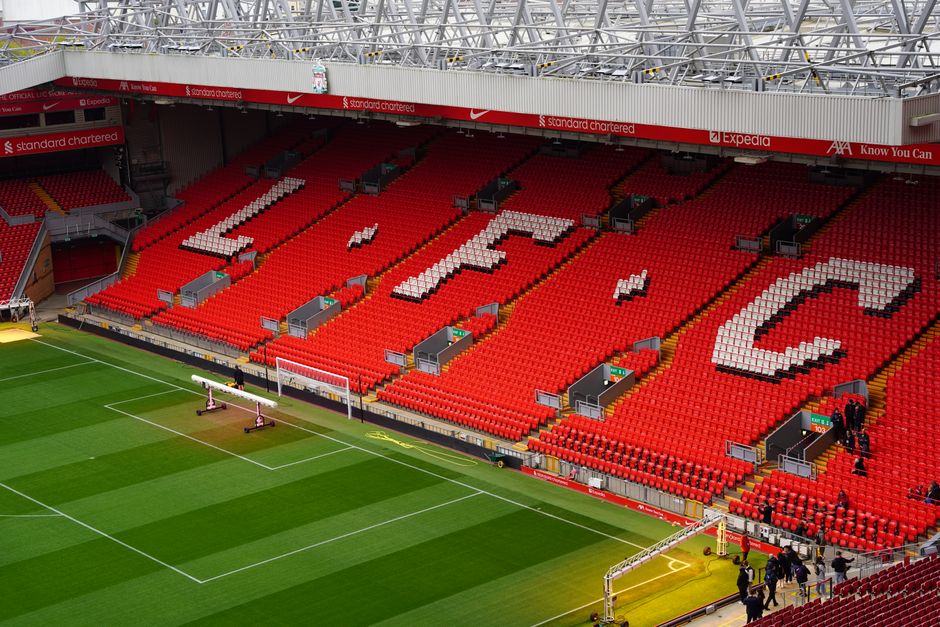
Few clubs embody the convergence of sports and crypto as vividly as Liverpool. This offseason, manager Iraola faces a daunting task: replacing Mohamed Salah and other departed stars. The challenge, he noted, mirrors the dilemma cryptocurrency investors know all too well — the constant need to rebalance a volatile portfolio.
"Squad building and crypto portfolio management share the same fundamental problem: knowing when to hold, when to sell, and when to reinvest," Iraola reportedly reflected after identifying his transfer targets.
Liverpool’s summer rebuild is not just about signing new players. It represents a strategic reallocation of resources — financial, tactical, and cultural. In a parallel that crypto natives will recognize, the club must decide which assets to keep, which to offload, and where to place long-term bets. The Salah departure, akin to a major token sell-off, forces a systemic reset.
The connection between elite sports roster management and crypto market dynamics is not merely metaphorical. Both arenas require foresight, risk tolerance, and an ability to weather short-term volatility for long-term gain. Iraola’s analogy underscores a deeper trend: football clubs are increasingly thinking like blockchain investors.
Guardiola to Italy? The Fan Token Factor
Perhaps the most intriguing development is the Italian Football Federation’s reported talks with Pep Guardiola. Should the legendary coach take the helm of Italy’s national team, the ripple effects could extend far beyond the pitch — directly into crypto markets.
Italy’s football ecosystem already has a footprint in the digital asset space through fan tokens and sports blockchain platforms. A Guardiola appointment would likely supercharge interest in these tokens. Fan tokens for Italian clubs could see a surge in trading volume and value as global supporters seek a piece of the Guardiola era.
The prospect of Guardiola in Azzurri blue represents more than a football story. It highlights how major managerial moves can become catalysts for crypto adoption in sports.
Crypto Briefing’s report notes that the Italian federation’s move could "ripple into crypto markets." This is a prime example of real-world events driving on-chain activity — a dynamic that crypto prediction markets and fan token platforms are designed to capture.
The Bigger Picture: Crypto's Football Takeover
Taken together, these three narratives paint a coherent picture. Crypto is no longer a side bet in football — it is becoming integral to the sport’s economy. Prediction markets offer new ways to engage with matches. Fan tokens deepen fan loyalty and provide clubs with alternative revenue streams. And as clubs like Liverpool and federations like Italy embrace these tools, the digital divide between crypto-savvy and traditional clubs will only widen.
The Champions League qualifier between Red Star and Larne is a microcosm of this trend. It showed that even in the early rounds of Europe’s premier competition, crypto is a factor. The gap between the haves and have-nots is not just about transfer budgets anymore — it’s about blockchain strategy.
Looking Ahead
As the summer transfer window unfolds and the Champions League qualifying rounds continue, expect more stories at the intersection of football and crypto. Liverpool’s rebuild under Iraola will be a case study in asset reallocation. Italy’s pursuit of Guardiola could become a catalyst for fan token adoption. And crypto prediction markets will likely see even greater volumes as the season progresses.
For clubs, investors, and fans alike, the message is clear: the convergence of football and blockchain is not a passing fad. It is a structural shift that will define the next decade of the sport.