The Nasdaq suffered its worst single-day loss since October 2025, shedding $1.3 trillion in market value as a wave of selling swept through global tech stocks. The rout, which began with a historic drop in South Korea’s KOSPI index, sent shockwaves across markets, pulling down Big Tech, chipmakers, and even crypto-linked assets.
What to know
- The Nasdaq posted its steepest decline since October 2025, erasing $1.3 trillion in value.
- The sell-off was triggered by a sharp decline in South Korea’s KOSPI index, which experienced one of its worst daily drops.
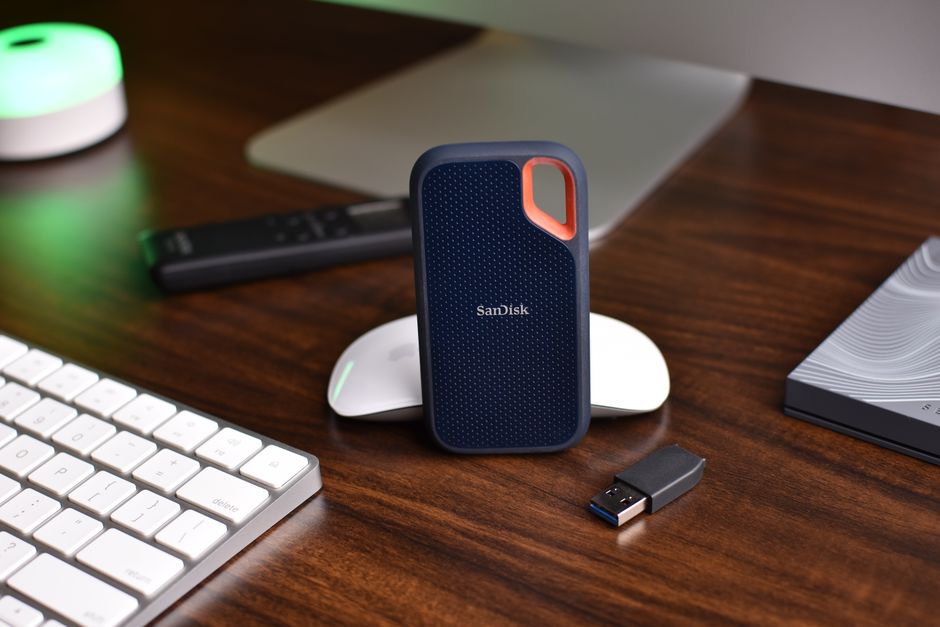
- Micron and SanDisk slid in premarket trading following the South Korean market rout, highlighting the interconnected nature of global chip supply chains.
- The sell-off signals a shift in market sentiment, with investors now demanding tangible evidence of AI-driven growth before rewarding high valuations.
- The rout also impacts crypto investment strategies, as risk appetite contracts across asset classes.
- Big Tech led the global stocks sell-off, with the sector bearing the brunt of the losses.
- The event underscores the vulnerability of markets to external shocks and the potential for increased volatility amid global uncertainties.
The Day the Market Shuddered
On June 23, 2026, a wave of selling hit global equity markets with unusual force. The Nasdaq composite index, heavily weighted toward technology and growth stocks, recorded its worst session since October 2025. The loss of $1.3 trillion in market capitalization sent a clear signal: investors are no longer willing to pay premium prices for promises of future growth without concrete results.
The selling pressure did not originate in the United States. It began in Asia, where South Korea’s KOSPI index experienced a sharp and sudden decline. The exact catalyst remains debated, but the speed and depth of the move triggered automated stop-losses and margin calls, accelerating the downturn. Within hours, the contagion spread to Europe and then to the U.S., where tech shares were hit hardest.
The speed of the transmission was a stark reminder of how tightly integrated global financial markets have become. A regional disruption, whether driven by economic data, geopolitical tension, or a liquidity crunch, can cascade across time zones before traders have time to react. In this case, the South Korean rout acted as the spark that ignited a broader reassessment of risk.
Big Tech Under Pressure
Big Tech names bore the brunt of the sell-off. As the group that has led much of the post-pandemic rally, these companies now face heightened scrutiny. Their valuations had already been stretched by expectations that AI would deliver transformational revenue growth. Now, investors are asking for proof.
The sell-off signals a shift in market sentiment, demanding tangible AI growth evidence. It is not enough for companies to announce initiatives or partnerships. The market wants to see accelerating sales, expanding margins, and measurable returns on the billions of dollars poured into infrastructure. Without that proof, the risk of a repricing grows.
The market is no longer willing to pay for a story. It wants to see the numbers. This sell-off is a reset on expectations.
This dynamic is particularly acute for Micron and SanDisk, two memory and storage chipmakers that rely heavily on both consumer electronics and data center demand. Their premarket slides after the South Korean rout suggest that investors see a direct link between the Asian sell-off and the outlook for semiconductor earnings. If the KOSPI drop signals weakness in Korean exports — a bellwether for global trade — then chip stocks everywhere are vulnerable.
The South Korean Trigger
South Korea’s KOSPI index fell sharply, with some reports describing the move as one of the steepest daily losses in recent memory. The decline was attributed to a combination of factors, including concerns about global trade growth, a stronger dollar, and a reassessment of tech valuations in Asia. But the precise cause matters less than the effect: a loss of confidence that spread instantly.
The connectedness of global markets means that a sell-off in Seoul can quickly become a sell-off in New York. Algorithmic trading and exchange-traded funds that hold baskets of global stocks amplify the move. When the KOSPI drops 10% or more, portfolio rebalancing and risk management systems kick in, forcing sales across all equity markets.
For investors in Micron and SanDisk, the South Korean rout is particularly alarming. South Korea is home to Samsung and SK Hynix, two of the world’s largest memory chip producers. A deep sell-off in the Korean market could signal weakening demand for chips, which would directly affect the pricing power and margins of U.S. memory makers. The premarket declines in Micron and SanDisk reflect this fear.
The AI Growth Reality Check
Artificial intelligence has been the dominant theme driving tech markets for the past two years. But the sell-off on June 23 suggests that the honeymoon period may be ending. Investors are no longer satisfied with grand visions of future AI capabilities. They want to see the economic impact.
This shift is likely to have consequences beyond equities. The crypto market, which has often moved in sympathy with tech stocks during risk-on periods, may also face headwinds. The Trend notes that the sell-off impacts tech and crypto investment strategies. When risk appetite contracts, speculative assets are often the first to be sold.
The same forces that are punishing high-flying tech stocks — rising discount rates, skepticism about future growth, a flight to safety — also weigh on cryptocurrencies and digital assets.
For companies like Micron, which supplies memory chips used in AI data centers, the pressure is twofold. First, any slowdown in AI infrastructure buildout reduces demand. Second, the stock’s valuation assumes that AI demand will remain robust. If the market begins to doubt that thesis, the multiple can compress quickly.
Who Is Caught in the Crossfire?
The sell-off affected more than just the obvious names. Exchange-traded funds focused on tech, growth, and emerging markets all suffered. Institutional portfolios that had overweighted tech positions were forced to rebalance. Even diversified retirement accounts felt the impact through index funds that track the Nasdaq or the broader market.
Smaller companies in the AI supply chain — software firms, hardware vendors, cloud services — also saw their shares drop, even if they lacked the direct exposure of a Micron or a SanDisk. The selling was broad and indiscriminate, a classic risk-off move.
But the pain is not evenly distributed. Companies that can demonstrate real, measurable AI revenue are likely to recover faster. Those that are still in the “story” phase may face sustained pressure until they deliver results. The sell-off may accelerate a sorting process that was already underway: separating the AI winners from the hype.
Ripple Effects on Crypto
The Trend explicitly ties the tech rout to crypto investment strategies. While Bitcoin and other digital assets have sometimes acted as a hedge against traditional market turmoil, they have more often moved in the same direction as tech stocks during sharp sell-offs. This time was no exception. The same factors that drove investors out of Big Tech — a need for liquidity, a reassessment of risk, a desire for safe havens — also weighed on crypto markets.
The impact on crypto investment strategies could be significant. If the sell-off leads to a prolonged period of risk aversion, capital flows into digital assets may slow. Conversely, some investors may view the dip as a buying opportunity, especially if they believe that the underlying thesis for blockchain and decentralized finance remains intact. The Trend leaves this question open.
What to Watch Next
The coming days will be critical. Traders will watch for any signs that the sell-off is stabilizing, or whether further declines are in store. Key levels on the Nasdaq and KOSPI will be monitored. Earnings reports from major tech companies in the weeks ahead will take on even greater importance. If companies like Micron can deliver strong guidance that shows AI-driven growth, the selling could reverse. If not, the rout may deepen.
Investors should also monitor macro indicators. The sell-off highlights the risks of high valuations and the impact of macroeconomic factors on growth stocks. A shift in Federal Reserve policy, rising bond yields, or a stronger dollar could add to the pressure. The interconnectedness revealed by the South Korean trigger means any country-specific shock can quickly become global.
For now, the message from the market is clear: show us the money. The era of blind faith in AI is over. The companies that can prove their technology translates into earnings will survive. Those that cannot will be sold off ruthlessly.
This article is based on events reported on June 23, 2026, and does not constitute investment advice.