Oil markets are flashing red after a Houthi missile struck a Saudi tanker in the Red Sea, pushing crude to six-week highs. The attack is the latest flashpoint in an escalating regional conflict that is already hitting American drivers hard at the pump.
What to know
- A Houthi missile reportedly struck a Saudi oil tanker near Yemen on July 22, 2026, according to reports from Crypto Briefing.
- Oil prices climbed to six-week highs immediately following the attack, reflecting heightened supply risk in the Red Sea.
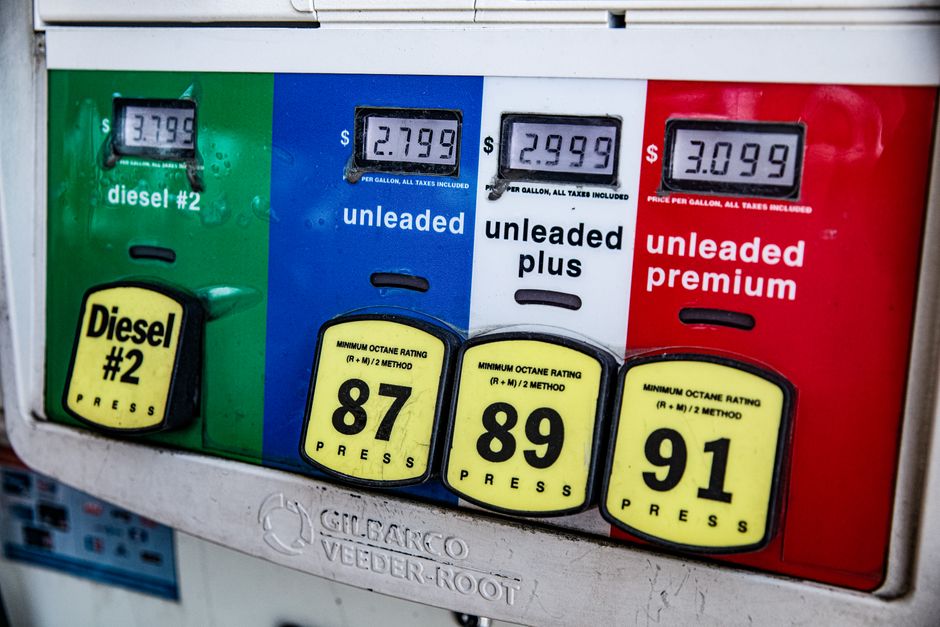
- The broader Iran conflict has already pushed U.S. gasoline prices above $4 per gallon, with diesel reaching $5.13.
- Diesel prices were previously reported at $5.05, affecting grocery and housing costs as transportation fuel spikes.
- Prediction market contract “New all-time high for crude oil by December 31” sits at 16.5% YES, up significantly on the news.
- The Red Sea is a critical chokepoint for global oil and container shipping; any disruption threatens supply chains worldwide.
- Houthi militants, backed by Iran, have targeted Saudi vessels before, but this strike marks an escalation in the ongoing Yemen conflict.
- The attack comes amid warnings from Iran’s Islamic Revolutionary Guard Corps about sea mines in the Strait of Hormuz, another vital oil lane.
The Red Sea Attack
On July 22, a Houthi missile struck a Saudi oil tanker near the coast of Yemen. The incident immediately sent crude prices spiking, adding to a volatile week in energy markets. The Red Sea, a narrow passage connecting the Indian Ocean to the Suez Canal, handles roughly 10% of the world’s seaborne oil trade. Any threat to this route forces shipping companies to reroute or face higher insurance premiums.
This wasn’t an isolated event. Houthi forces have repeatedly targeted Saudi vessels and infrastructure throughout the Yemen civil war. But the timing matters — the attack comes as the broader Iran conflict has already scrambled energy markets. For traders, the message is clear: the risk premium for Middle Eastern crude is no longer theoretical.
Why the Red Sea matters
The Bab el-Mandeb strait at the southern end of the Red Sea is only 20 miles wide at its narrowest. A single missile strike can disrupt the flow of millions of barrels of oil each day. When tankers avoid the area, they must sail around the Cape of Good Hope, adding weeks of transit time and driving up costs.
A single missile strike can disrupt the flow of millions of barrels of oil each day.
The Houthis have shown an ability to target vessels with increasing precision using drones and anti-ship missiles. This capability is a direct threat not just to Saudi Arabia, but to global energy security.
Gas and Diesel Pain at the Pump
Americans are already feeling the squeeze. The Iran conflict had pushed U.S. gasoline prices above $4 per gallon before the tanker strike. Diesel prices hit $5.13, up from a previous high of $5.05. These aren’t just numbers on a screen — they translate directly into higher costs for transporting goods, which bleeds into grocery bills, housing costs, and virtually every sector of the economy.
Diesel powers trucks, trains, and heavy machinery. When diesel crosses $5, the cost of getting food to supermarkets and materials to construction sites rises sharply. The earlier report noted diesel at $5.05 was already affecting groceries and housing. The latest $5.13 figure adds another layer of pressure.
When diesel crosses $5, the cost of getting food to supermarkets rises sharply.
Gasoline above $4 is a psychological threshold that often influences consumer confidence and political debate. With midterms or elections on the horizon, high pump prices become a heated issue.
The Iran Factor
The Houthi attack cannot be separated from the broader Iran conflict. The Houthis are widely seen as proxies for Tehran, and their arsenal includes Iranian-supplied weapons. The same week, reports emerged that Iran’s Islamic Revolutionary Guard Corps warned of sea mines in the Strait of Hormuz — a far more consequential waterway than the Red Sea, through which about 20% of the world’s oil passes.
If Iran begins mining the Strait of Hormuz, oil prices could skyrocket far beyond six-week highs. The Strait is the ultimate chokepoint for Gulf crude. Even the threat of mines sends insurance rates through the roof and forces oil tankers to wait or turn around.
Meanwhile, Saudi Arabia must decide how to respond. A direct military retaliation against Houthi positions could escalate into a wider regional conflict involving Iran directly. On the other hand, inaction risks further attacks and a loss of credibility among global oil buyers.
Market Signals and Prediction Bets
The prediction market offers a stark gauge of sentiment. The contract for “New all-time high for crude oil by December 31” is trading at 16.5% YES. That implies a one-in-six chance that crude will surpass its previous record, which stood near $147 per barrel in 2008. For context, that probability would have been much lower just weeks ago. The missile strike and the Iran conflict have sharply raised market expectations of a historic price spike.
Traders are also watching storage levels, spare capacity at OPEC+, and potential strategic petroleum reserve releases from the United States. The Biden administration has used such releases before, but the effect is temporary. If supply is actually disrupted rather than simply threatened, prices could overshoot.
Who Bears the Cost?
The immediate victims are consumers. In the U.S., households are already adjusting budgets to accommodate $4 gas and $5 diesel. Small businesses that rely on delivery trucks or heavy equipment face thin margins. In developing nations dependent on imported oil, the pain is even sharper, sometimes triggering political instability.
Saudi Arabia bears the cost in lost revenue per barrel if it must discount to keep customers, or in military expenditure if it escalates. The Houthi attack also raises insurance costs for all Red Sea shipping, which ultimately passes down to global consumers.
Small businesses that rely on delivery trucks face thin margins.
Iran risks further sanctions or military action if the Houthi attacks are linked more directly to Tehran. The IRGC’s mine threat suggests a willingness to escalate, but also opens the door for a more dangerous confrontation.
Looking Ahead
The next few weeks will be critical. If the Houthis continue targeting Saudi tankers, oil prices could climb further, testing the all-time high prediction. The market is already pricing in a significant risk premium. Traders will watch for any signs of diplomatic de-escalation or, conversely, a Saudi military response.
Iran’s next moves in the Strait of Hormuz could dwarf the current crisis. For now, the Red Sea attack has served as a shot across the bow: no energy route is safe when regional tensions boil over. The 16.5% bet on a new crude record by year-end might look conservative if the conflict widens.