At IEM Cologne, the outcome of FUT versus G2 doesn’t just decide a match—it could set Team Spirit’s trajectory through the tournament and signal a new chapter for esports funding as crypto sponsors bow out.
What to know
- The result of FUT vs G2 will determine which teams advance to 2-0 matchups, directly shaping Team Spirit’s path in the IEM Cologne bracket.
- This matchup also influences the esports betting market, with odds shifting based on the outcome.
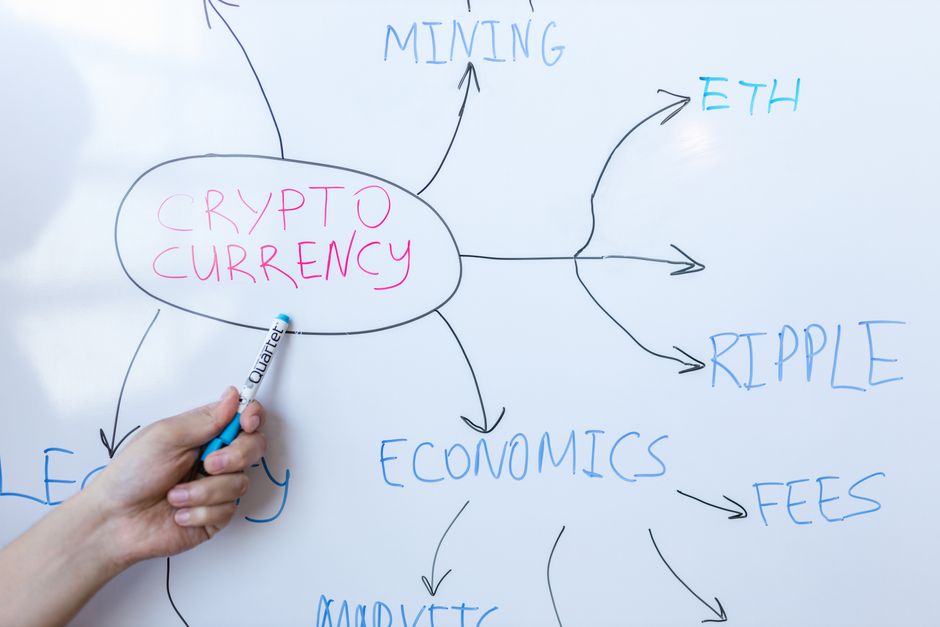
- Crypto sponsors are retreating from esports; IEM Cologne has reportedly dropped all cryptocurrency-related partnerships entirely.
- The retreat is part of a broader pivot by esports organizations toward traditional funding sources, aiming for more stable and sustainable financial backing.
- Crypto Briefing highlighted that this shift could foster long-term growth and sustainability in the industry, moving away from volatile crypto deals.
- Beyond the tournament, these changes impact global rankings and future Counter-Strike competitive dynamics.
The FUT vs G2 Stakes
When FUT and G2 step onto the stage at IEM Cologne, the match has implications far beyond a single win or loss. For Team Spirit, the path forward hinges on who emerges victorious. If the result sends them into a favorable bracket, they could avoid early elimination and build momentum toward the later rounds. Conversely, a loss could drop them into a more difficult lower bracket run. 📊
The outcome of this single match could ripple through the entire tournament, affecting seeding, player morale, and even the betting lines that track every move.
Beyond the bracket, global rankings are on the line. The Counter-Strike competitive scene is notoriously tight at the top, and every elimination match at a major like Cologne can shift a team’s position in the standings. Teams like Team Spirit know that a deep run here is crucial for securing invites to future events and maintaining sponsor interest.
How Team Spirit Stands to Benefit
Team Spirit arrives at IEM Cologne with aspirations of a deep run. The FUT vs G2 matchup acts as a gatekeeper—if the result breaks their way, Team Spirit could face a more manageable opponent in the next round, conserving energy and avoiding a grueling lower bracket slog. This is especially important in a tournament where fatigue and mental stamina often decide the champions. 🎮
The team’s path is not just about the immediate opponent; it’s about setting up favorable map picks and building confidence early. Team Spirit has shown they can compete with the best, but consistency remains the key. A clear route through the early rounds could allow them to find their rhythm before the pressure mounts.
Crypto’s Retreat from Esports
On the business side, IEM Cologne has become a microcosm of a larger shift. The tournament has reportedly dropped all cryptocurrency sponsors entirely. This move is part of a broader industry trend: crypto companies that once flooded esports with sponsorship dollars are pulling back, leaving organizations to seek more traditional funding. 💸
According to Crypto Briefing, the retreat of crypto from esports may actually stabilize financial backing. During the crypto boom, inflated sponsorship deals often created unsustainable revenue bubbles. When prices crashed, many teams and tournament organizers were left scrambling. The pivot toward traditional funding sources—brands, broadcasters, and endemic partners—may provide a steadier foundation for long-term planning.
IEM Cologne dropping crypto sponsors entirely signals that organizers are prioritizing reliability over flashy payouts.
A More Sustainable Future?
The shift away from crypto sponsorships isn’t a death knell for esports; it could be a maturation point. The industry has long faced questions about profitability and longevity. Over-reliance on a volatile asset class like cryptocurrency introduced risk that many organizations couldn’t manage. Now, with traditional funding stepping back in, the ecosystem may become more resilient. 🛡️
Cologne itself stands as a proving ground. If IEM Cologne can thrive without crypto money, it could set a precedent for other major events. Counter-Strike’s competitive circuit has always been driven by passion and grassroots energy, but professional sustainability requires financial stability. This transition period may be bumpy, but in the long run, it could attract investors who are more interested in the sport than the speculation.
Looking Ahead
The FUT vs G2 match at IEM Cologne is just one piece of a larger puzzle. For Team Spirit, every round counts on the way to glory. For the esports industry as a whole, the retreat of crypto sponsors opens a new chapter—one where traditional funding models may take center stage. The tournament in Cologne is both a battlefield and a bellwether. If Team Spirit can navigate the bracket and if the industry can navigate the funding shift, the future of competitive Counter-Strike looks more grounded—and perhaps more promising—than ever before.