Iranian ballistic missiles struck Kuwait's Academy of Security and targeted desalination plants, escalating the Strait of Hormuz conflict and triggering over $1 billion in Bitcoin liquidations. The US Treasury responded by sanctioning Iran's central bank, two largest banks, and crypto exchanges.
What to know
- Iranian missiles hit Kuwait's Academy of Security and key desalination plants on July 18.
- The attacks mark a sharp escalation in the Gulf conflict, following earlier strikes on Saudi Arabia.
- Bitcoin liquidations exceeded $1 billion as the digital asset dropped below $62,000.
- Oil prices surged 3–7% amid fears over Strait of Hormuz disruptions.
- The US Treasury sanctioned Iran's central bank, two of its largest commercial banks, and Iranian crypto exchanges.
- The US State Department issued a statement condemning Iranian attacks on critical infrastructure.
- The conflict directly impacts global energy markets and crypto risk appetite.
The Escalating Gulf Conflict: From Saudi Arabia to Kuwait
What began as isolated strikes on Saudi Arabia – the first in months – has rapidly metastasized into a multi-front crisis. On July 18, Iranian ballistic missiles struck Kuwait's Academy of Security, a high-profile target that signals a deliberate move to expand the theater of operations. Hours later, reports emerged of strikes on Kuwait's desalination plants, threatening the nation's water supply and raising the stakes for the entire Gulf region.
The timing and precision of these attacks suggest a coordinated escalation aimed at crippling critical infrastructure. The Strait of Hormuz, a chokepoint for approximately one-fifth of the world's oil consumption, sits at the heart of this confrontation. Any disruption to shipping lanes or energy infrastructure there sends immediate shockwaves through global markets.
Iranian missiles targeting desalination plants mean water security is now on the line, not just oil. This is a strategic expansion of the conflict.
Kuwait has condemned the strikes, but the international community is still assessing the full extent of the damage. The Academy of Security strike in particular is a direct hit on the nation's defense infrastructure, and its symbolism will not be lost on regional allies.
Energy on the Brink: Oil and the Strait of Hormuz
Oil markets reacted instantly. Prices surged 3–7% as traders priced in the risk of a broader conflict that could disrupt supply routes. The Strait of Hormuz is the world's most critical oil transit corridor; even the threat of closure is enough to send benchmarks climbing. With Iran now striking both Saudi Arabia and Kuwait within a matter of days, the probability of a sustained disruption has increased sharply.
For Gulf states, the attacks on desalination plants add a new layer of vulnerability. These facilities are essential for fresh water in arid nations, and targeting them is a form of asymmetric warfare that goes beyond energy. The implications for regional stability – and the global insurance and shipping industries – are profound.
Crypto Markets in Chaos: $1 Billion in Liquidations
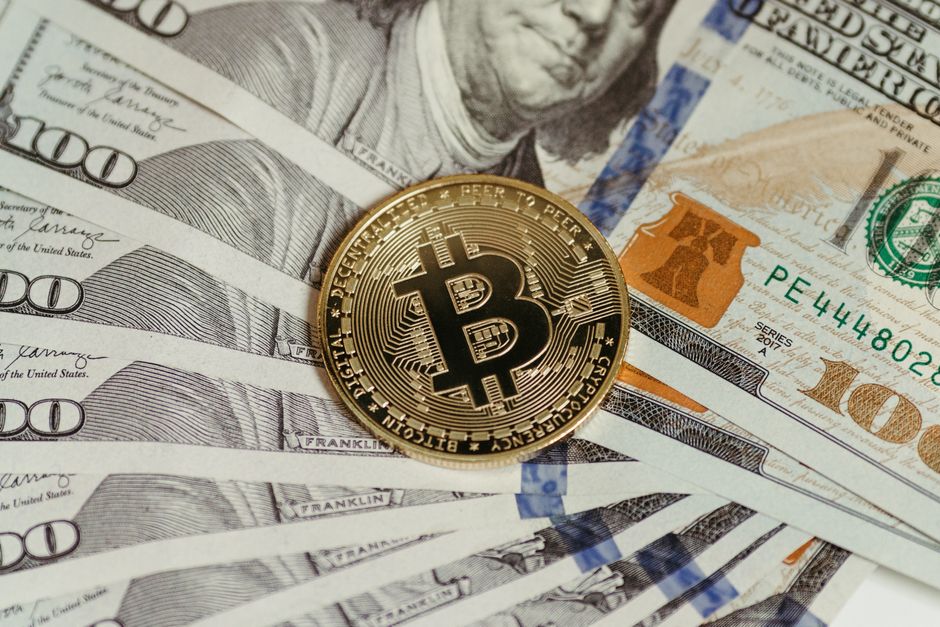
The digital asset market was not spared. Bitcoin dropped below $62,000 as news of the first strikes on Saudi Arabia broke, and the subsequent escalation in Kuwait drove a cascade of liquidations exceeding $1 billion. Forced selling in leveraged positions amplified the move, creating a volatile session that erased weeks of gains for many traders.
The US Treasury's decision to sanction Iranian crypto exchanges added another layer of pressure. By cutting off access to digital asset platforms, Washington is targeting a funding channel that Iran has used to bypass traditional financial sanctions. The move signals that crypto is very much on the radar of policymakers during this crisis.
Over $1 billion in Bitcoin positions were liquidated as the Gulf crisis intensified – one of the largest single-day liquidation events in recent memory.
The correlation between geopolitical risk and crypto market drawdowns is once again in focus. While some investors treat Bitcoin as a hedge, it has behaved more like a risk asset during this conflict, falling alongside equities and oil-driven inflation fears.
Washington's Financial Hammer: Sanctions on Iran's Central Bank
In a coordinated response, the US Treasury imposed sanctions on Iran's central bank and two of its largest commercial banks. These institutions are the backbone of the Iranian financial system, and the sanctions effectively isolate them from global banking networks. The State Department simultaneously issued a statement condemning the attacks on critical infrastructure, vowing to hold Iran accountable.
The inclusion of Iranian crypto exchanges in the sanctions package is notable. It reflects a growing recognition that digital assets can be used to circumvent traditional sanctions, and it signals that the US is prepared to expand its enforcement toolkit. For market participants, this adds a layer of regulatory uncertainty that could persist even after the immediate conflict subsides.
Looking Ahead: A Crisis Without Clear Resolution
As of now, the diplomatic off-ramp remains unclear. Iran has not signaled de-escalation, and the Gulf states are likely to demand a strong response from the international community. The Strait of Hormuz remains the key flashpoint: any further incidents could trigger a sustained oil price rally and deeper selloffs in risk assets.
For crypto traders, the $1 billion liquidation event is a reminder of the fragility of leveraged markets in the face of geopolitical shocks. For energy investors, the conflict reinforces the importance of supply diversification. And for policymakers, the episode underscores the challenge of containing a multipronged crisis that spans energy, finance, and digital infrastructure.
The coming days will determine whether this is a temporary spike in tensions or the beginning of a prolonged regional conflict. What is certain is that markets across the board are now watching the Strait of Hormuz more closely than they have in years.