The IRGC’s latest strikes on US military positions in Jordan and Kuwait mark a dangerous new phase in the 2026 Gulf conflict, rattling oil markets, testing diplomatic resolve, and sending shockwaves through the crypto ecosystem.
What to know
- IRGC launched a missile and drone attack on a US base in Kuwait, specifically targeting a Patriot air defense system.
- Simultaneously, the IRGC struck a US military base in Jordan, escalating direct engagement with American forces.
- Bitcoin held near $63,000 despite the turmoil, while crypto markets saw over $1 billion in liquidations across leveraged positions.
- The attacks are likely to prolong Gulf instability, impacting global oil markets and complicating diplomatic resolutions.
- The escalation may isolate the United States diplomatically, reducing chances of IAEA inspections and nuclear deal revival.
- Market anticipation of further conflict is rising, with oil and commodity prices expected to surge.
- Global financial systems face heightened risk of inflationary pressures and monetary policy disruptions.
- The strikes represent the IRGC’s seventh documented drone strike against US bases in the region amid the ongoing 2026 conflict.
The Strikes That Escalated the Crisis
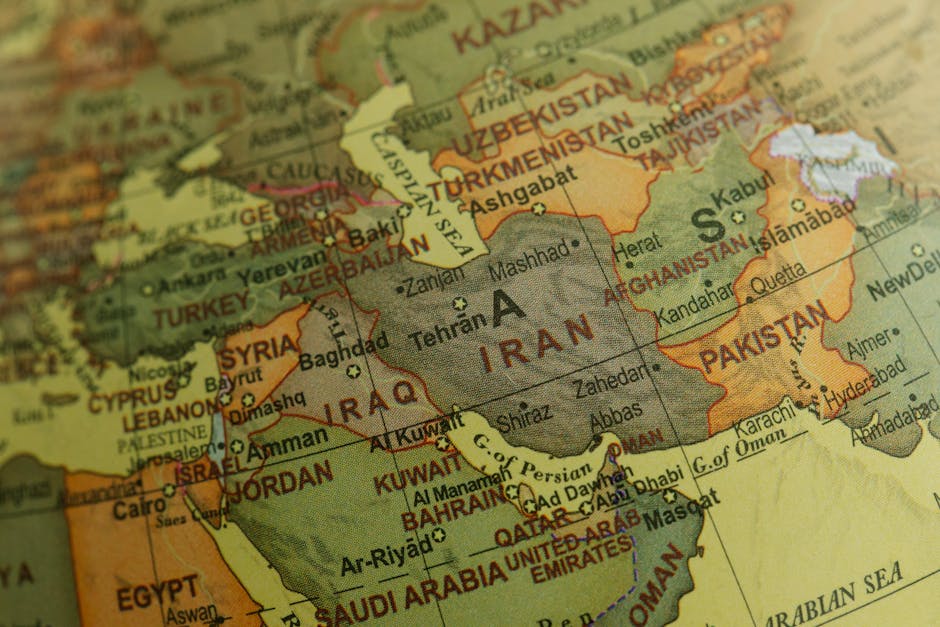
On July 15, 2026, Iran’s Islamic Revolutionary Guard Corps executed a coordinated two-pronged attack on American military assets in the Gulf region. The first wave targeted a US Patriot missile defense system stationed in Kuwait—a sophisticated air defense platform that represents a critical layer of protection for American ground forces and allied infrastructure. The second strike hit a US base in Jordan, further north along the strategic arc of American influence in the Middle East.
These precision strikes mark a significant departure from previous lower-intensity engagements. Unlike earlier skirmishes involving proxy forces or limited drone harassments, the IRGC directly employed ballistic missiles and armed drones against sovereign US installations. The choice of targets is telling: by going after a Patriot system, Iran signaled its intent to degrade US defensive capabilities, not just inflict symbolic damage.
The IRGC has now conducted at least seven major drone strikes against US bases in the Gulf since the conflict escalated in 2026, according to source reports.
The timing of the attacks is equally significant. They come as diplomatic channels remain open but fragile, with international efforts to cap Iran’s nuclear program hanging by a thread. The strikes all but guarantee that any near-term diplomatic progress will be shelved, reinforcing a cycle of retaliation that has proven difficult to break.
Oil Markets: A New Risk Premium
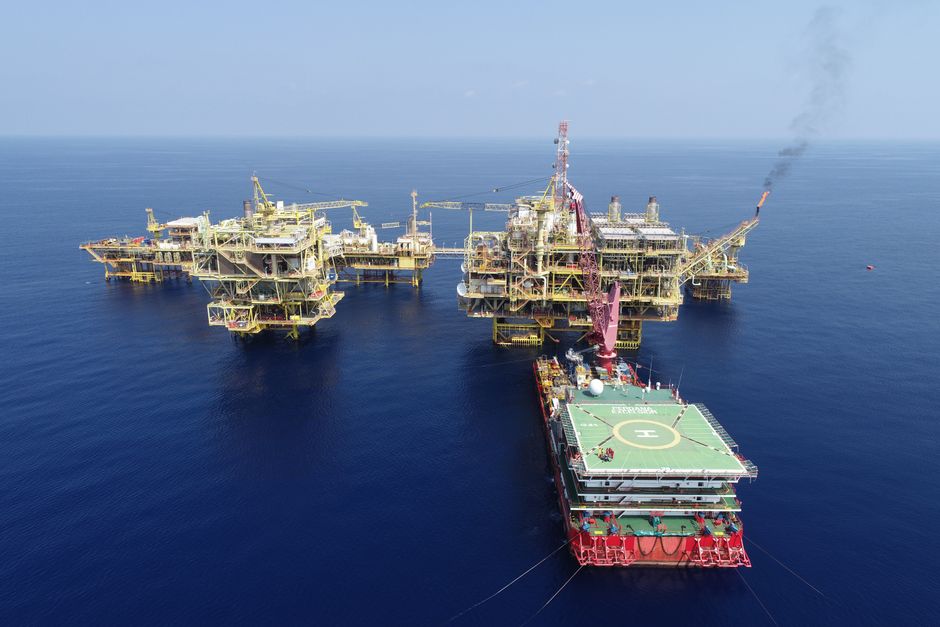
The immediate global reaction has been concentrated in energy markets. Gulf instability directly threatens the flow of oil through the Strait of Hormuz, a chokepoint through which roughly 20% of the world’s petroleum passes. Although no supply disruptions have been reported yet, traders are pricing in a significant risk premium. The IRGC’s willingness to strike US forces stationed near key oil infrastructure raises the specter of a broader maritime conflict that could choke supply lines.
"The escalation risks drenching the global financial system in oil and other commodities," the report warns, underscoring how quickly market dynamics can shift from anticipation to panic.
The US, as the world’s largest oil producer, may see domestic prices rise in sympathy with global benchmarks. For importing nations—particularly in Asia and Europe—the stakes are even higher. A sustained conflict could reignite the inflationary spiral that central banks have only recently begun to tame. The Federal Reserve and other monetary authorities will face renewed pressure to adjust policies, potentially reversing rate cuts or pausing accommodation.
Crypto’s Stress Test
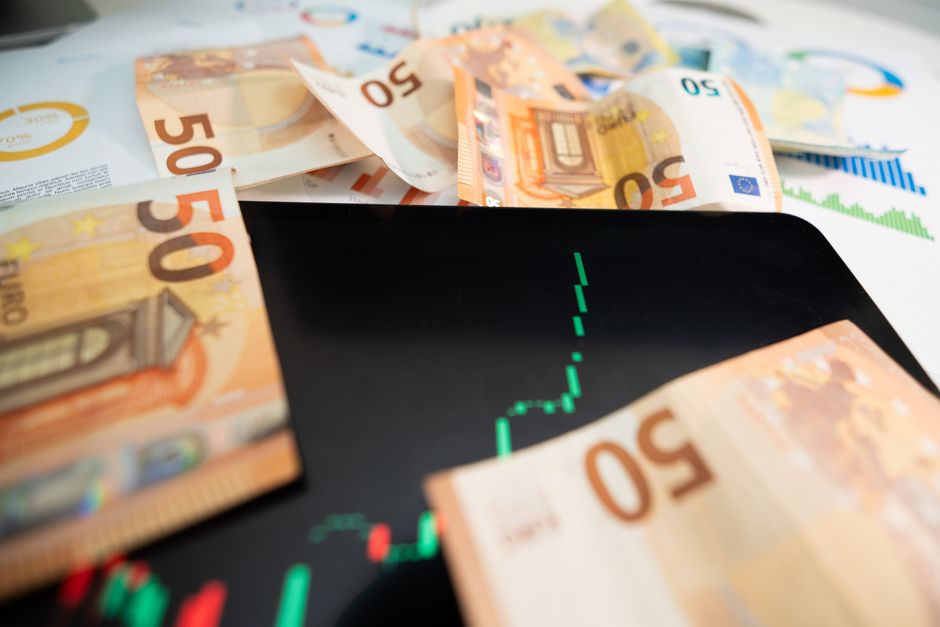
Amid the geopolitical storm, Bitcoin demonstrated its often-cited narrative as a non-sovereign store of value—but not without turbulence. The leading cryptocurrency held near $63,000 even as broader crypto markets experienced massive liquidation cascades totaling over $1 billion. This divergence highlights a market in transition: Bitcoin acting as a flight-to-safety asset while leveraged altcoin positions get washed out.
$63K was the line in the sand for Bitcoin as the IRGC missiles landed.
The liquidations, concentrated in futures and perpetual swaps, reflect the extreme volatility that geopolitical shocks inject into risk assets. Yet the relative stability of Bitcoin’s price suggests that institutional holders, who have been accumulating steadily through 2026, did not panic sell. Instead, the market absorbed the shock with a degree of resilience that would have seemed improbable just a few years ago.
Crypto’s broader role in such crises remains contested. The US dollar strengthened against a basket of currencies as the news broke, indicating that traditional safe havens still dominate in the first hours of a crisis. But Bitcoin’s ability to hold its ground—despite being categorized as a risk asset by many—signals a growing maturity and perhaps a hedging function that will be tested in the days ahead.
Diplomatic Reckoning
The diplomatic fallout may prove more damaging than any immediate military outcome. The IRGC strikes isolate the United States at a moment when it seeks to rally international partners against Iran’s nuclear ambitions. Several European and Asian allies have already expressed reluctance to escalate sanctions or military support, fearing a wider conflict that could destabilize the entire region.
Crucially, the strikes reduce the likelihood of IAEA inspections proceeding on schedule. With Iran hardening its stance and the US likely to respond with further sanctions or military action, the window for a negotiated solution closes further. The 2015 nuclear deal was already in intensive care; these events could declare its final expiration.
The conflict is not just military—it’s a race between diplomacy and escalation, and diplomacy is losing.
Kuwait and Jordan, both hosting US forces, now face an uncomfortable choice. They can double down on their security partnerships with Washington, risking retaliation from Iran, or they can distance themselves to protect their own stability. Either path carries significant domestic and regional consequences.
What Comes Next
The trajectory of this crisis depends largely on the US response. Retaliation against Iranian assets—military, economic, or cyber—would likely trigger another round of IRGC attacks, potentially extending to infrastructure in the Gulf or even hitting soft targets. A measured response, on the other hand, could buy time for backchannel negotiations, though it risks being perceived as weakness.
Markets will watch for any sign of supply disruption in oil. A spike to $100 per barrel or higher would immediately translate into consumer price increases, complicating central bank decisions worldwide. The US Strategic Petroleum Reserve, drawn down significantly in recent years, may be called upon again.
For Bitcoin and crypto, the next few weeks will be a stress test of resilience. If the conflict deepens and traditional markets seize up, decentralized assets could either emerge as a viable alternative or get caught in the systemic downdraft. The $1B liquidation event already flushed out weak hands, potentially setting the stage for a more resilient market structure.
Looking Ahead
The IRGC strikes on Jordan and Kuwait have drawn a new red line in the Gulf. The possibility of a broader regional war, once considered a tail risk, now sits squarely in the base case for strategists. The US faces a dilemma: escalate and risk a quagmire, or de-escalate and gamble on a diplomatic path that seems increasingly narrow.
Global financial markets—from oil to crypto—are pricing in prolonged uncertainty. For investors, the lesson is clear: geopolitical risk has returned with a vengeance, and no asset class is immune. The coming weeks will reveal whether the world’s financial system can absorb this shock or whether the IRGC’s missiles have set in motion a cascade that could redraw the economic map of the Middle East and beyond.