Israel's military escalation in southern Lebanon and Hezbollah's rejection of a US-brokered deal have reset expectations for a quick resolution, deepening uncertainty for regional stability and global markets.
What to know
- Israel has struck southern Lebanon and established control over the Shagaf area, signaling a shift toward a prolonged military campaign.
- Hezbollah has condemned and rejected the new US-brokered agreement, calling it null and void, complicating diplomatic efforts.
- The IDF's extended presence in southern Lebanon risks further escalating tensions rather than creating conditions for peace.
- A withdrawal remains possible but only if Hezbollah complies with the terms of the US-brokered deal.
- The ongoing conflict undermines diplomatic resolutions and negatively impacts market expectations, adding a financial dimension to the geopolitical crisis.
- The US continues as the primary diplomatic broker, but the rejection of its deal highlights the difficulty of peace without buy-in from all major parties.
The Stalemate on the Ground
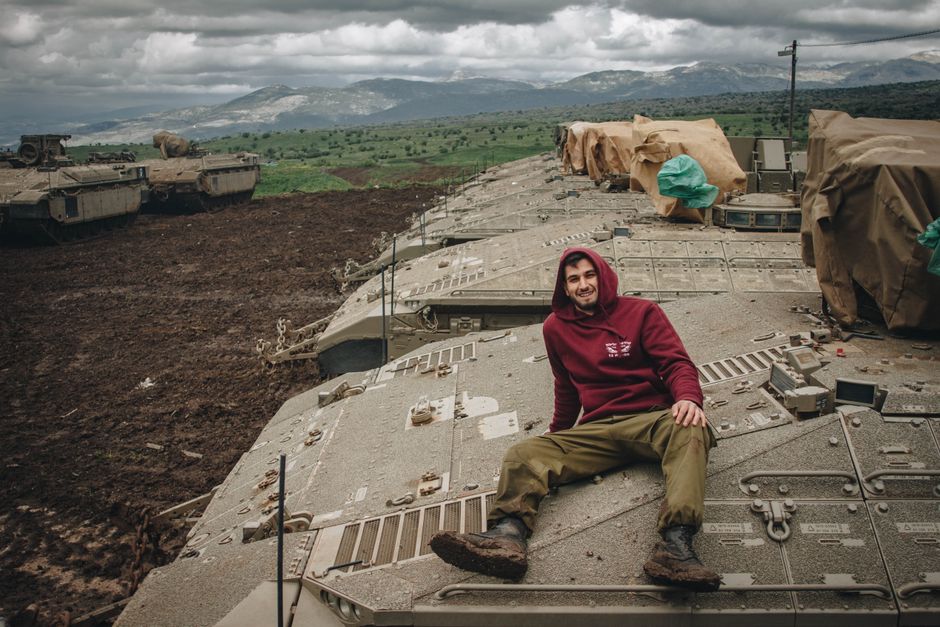
The conflict between Israel and Hezbollah has entered a new phase. Israel conducted airstrikes on southern Lebanon and secured the Shagaf area, according to reports. This military action is not isolated; it is part of a broader pattern of IDF operations that suggest a strategy of sustained pressure.
The prolonged IDF presence in southern Lebanon risks escalating tensions, potentially destabilizing the region and hindering peace efforts.
Hezbollah's response has been equally decisive. The group rejected the US-brokered agreement, denouncing it as null and void. This rejection closes one diplomatic avenue and leaves the US without a clear path forward. Without Hezbollah's compliance, Israel has little incentive to withdraw from the territory it now controls.
The control of Shagaf is tactically significant. It allows Israel to deny Hezbollah access to strategic terrain and establishes a forward presence that can be used to launch further operations if needed. However, it also raises the risk of a prolonged entanglement similar to past occupations of southern Lebanon.
The US-Brokered Deal: A Fragile Pivot
The agreement brokered by the US was designed as a compromise: Israel would withdraw from southern Lebanon in exchange for security guarantees and Hezbollah's commitment to a ceasefire. The deal was seen as a potential turning point.
The withdrawal could stabilize the region, potentially paving the way for lasting peace, but hinges on Hezbollah's compliance with the terms.
But Hezbollah's immediate rejection has turned the deal into a dead letter. The group views the agreement as imposed by the US and Israel and has refused to accept it. This puts the US in a difficult position. Washington must either persuade Hezbollah to reconsider or accept that its diplomatic efforts have failed.
For Israel, the rejection validates its decision to maintain military pressure. With the deal off the table, the IDF is unlikely to pull back voluntarily. The risk is that the conflict becomes self-reinforcing, with each side responding to the other's actions.
Market and Diplomatic Ripples
Geopolitical tensions in Lebanon are not limited to the battlefield. The conflict has direct consequences for global markets. The ongoing military actions "hinder prospects for peace, reducing the likelihood of diplomatic resolutions and market stability."
Investors are already pricing in the uncertainty. A prolonged conflict in Lebanon could affect energy prices, especially if it spills over into neighboring regions. The US-brokered deal was seen as a stabilizing factor; its failure adds a risk premium to assets in the region.
The ongoing conflict and military actions hinder prospects for peace, reducing the likelihood of diplomatic resolutions and market stability.
Diplomatic efforts are also strained. The rejection of the deal undermines the US's role as an honest broker in the Middle East. Other regional actors may be less willing to engage in future negotiations if agreements can be so easily dismissed by non-state actors.
Who Is Affected
The primary parties are Israel, Lebanon, Hezbollah, and the US. But the ripple effects spread far beyond. Civilians in southern Lebanon bear the brunt of the airstrikes and military operations. The IDF's presence disrupts daily life and increases the risk of collateral damage.
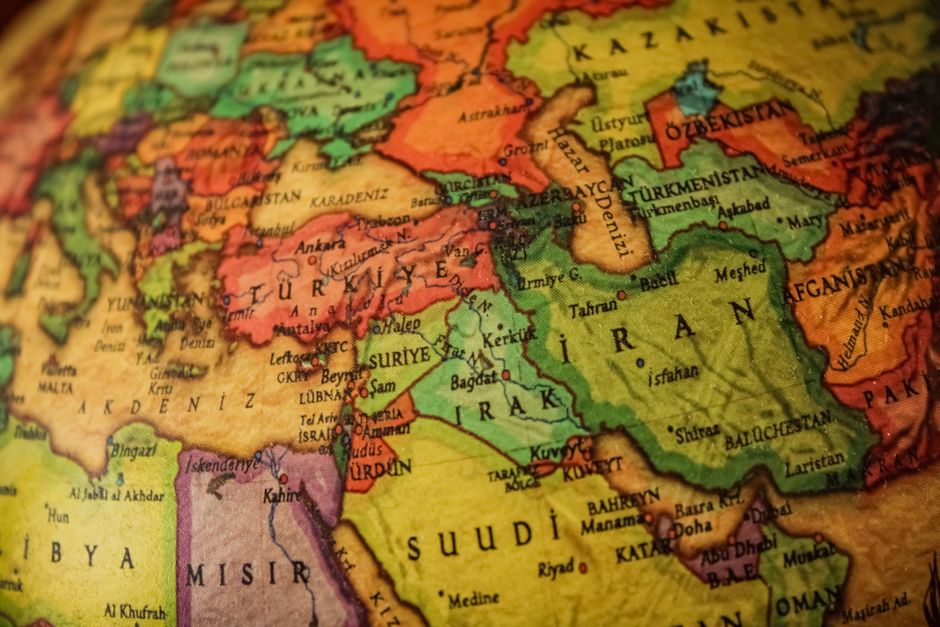
Regional neighbors like Syria and Jordan may also feel the impact, as instability often crosses borders. For global investors, the conflict introduces an element of unpredictability that can influence portfolio allocation and risk management.
Risks and Scenarios
Several scenarios are possible, none of them fully stable.
- Scenario 1: Renegotiation. The US reengages with Hezbollah and secures a modified deal. Israel withdraws after compliance. Peace prospects improve. This is the best-case but least likely given the current rejection.
- Scenario 2: Prolonged Occupation. The IDF remains in southern Lebanon indefinitely. Hezbollah continues attacks. The conflict becomes a low-level insurgency, draining resources and destabilizing the region.
- Scenario 3: Escalation. Clashes escalate into a broader war involving Syria or other proxies. Markets react sharply. Diplomatic channels collapse.
The prolonged IDF presence in southern Lebanon risks escalating tensions, potentially destabilizing the region.
The outcome hinges on Hezbollah's stance. If the group remains intransigent, the chances of a peaceful resolution are slim. If it can be brought to the table, a withdrawal is plausible.
Looking Ahead
The coming weeks will determine the trajectory of the conflict. Israel shows no signs of backing down, and Hezbollah has not moderated its position. The US will likely intensify diplomatic pressure, but its leverage is limited.
Peace in southern Lebanon remains possible, but only if both sides find a way to compromise. For now, the path forward is uncertain, and the cost of failure is high — for the region, for global stability, and for the markets that watch every move.