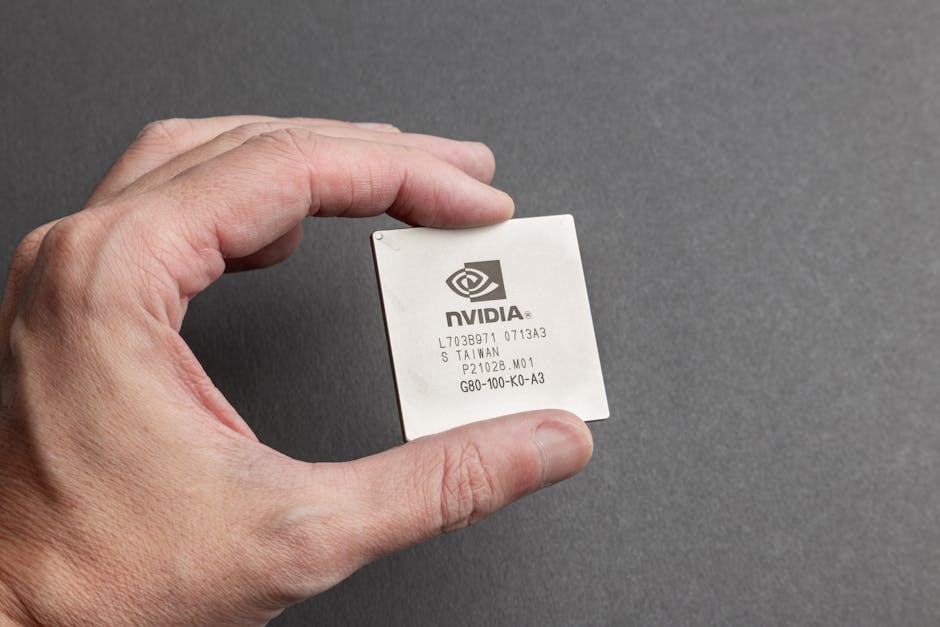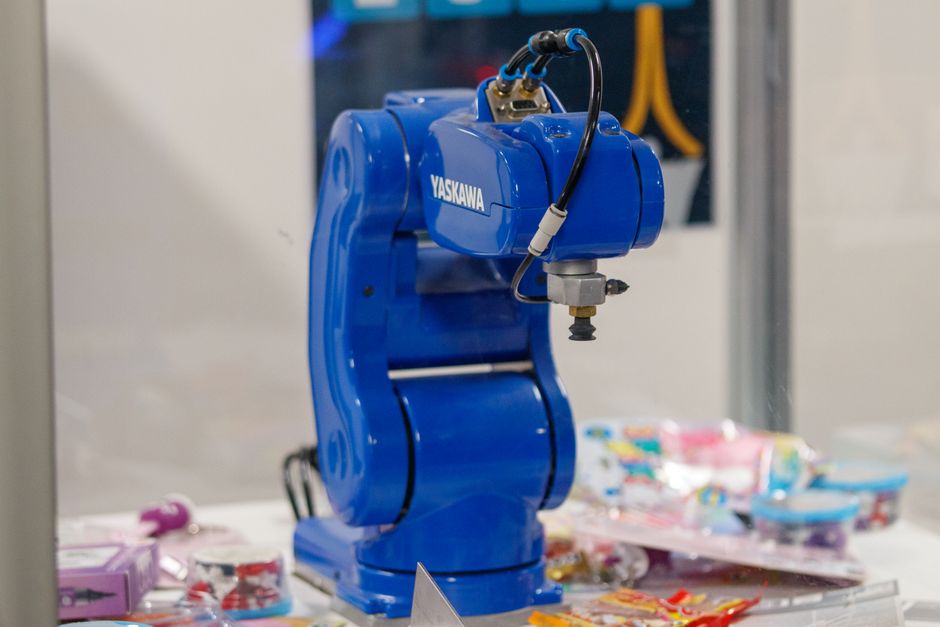
Japan's latest AI play is less about chatbots and more about robotic arms on factory floors, as the country turns to Nvidia's newest hardware to fill a demographic void.
What to know
- Japan plans to acquire 27,500 Nvidia Rubin chips to power a national AI robotics initiative.
- The program is designed to mitigate severe labor shortages and boost industrial competitiveness.
- Nvidia is partnering with Japanese firms Fanuc, Yaskawa Electric, and Toyota to accelerate AI integration in robotics.
- The chips will be used for robotics applications, not for training large AI models — a point that required a correction from initial coverage.
- The move could cement Nvidia's dominance in the AI hardware market, particularly in industrial robotics.
- Japan's sovereign AI model ambition pairs with robotics to create a self-reliant technological ecosystem.
- The initiative is expected to impact sectors including healthcare, manufacturing, and infrastructure.
The Great Labor Gamble
Japan's demographic reality is unforgiving. With a shrinking workforce and an aging population, the country has long sought technological solutions to keep its economy humming. Now, it is placing a massive bet on AI-powered robotics.
The decision to purchase 27,500 Nvidia Rubin chips signals a shift from theoretical AI research to practical, industrial-scale deployment. These chips are not destined for data centers crunching language models; they are headed to factory floors, hospital corridors, and construction sites.
“The post Japan buys 27,500 Nvidia Rubin chips for sovereign AI model appeared first on Crypto Briefing.”
This is about building a workforce that never retires. The machines — guided by Nvidia's latest silicon — are meant to take over physically demanding and repetitive tasks, freeing human workers for higher-value roles.
Nvidia's Rubin Bet
Nvidia's Rubin architecture, still relatively new to the market, represents the company's push beyond graphics and into specialized AI inference at the edge. For Japan, the choice of Rubin over other chips is a strategic one: it offers power efficiency and performance tailored for real-time robotics control.
The 27,500 figure is not trivial. It represents one of the largest single orders for the Rubin chip family, underscoring Japan's commitment. For Nvidia, this order is a validation of its industrial strategy — a beachhead in the robotics market that could dwarf its data center business over the long term.
Industrial Heavyweights Join In
Nvidia is not going it alone. The company has forged deep partnerships with three of Japan's most storied industrial names: Fanuc, Yaskawa Electric, and Toyota.
- Fanuc: A global leader in factory automation, Fanuc's robots are already ubiquitous in automotive and electronics manufacturing. With Nvidia's AI, these robots could gain adaptive capabilities, learning from their environments in real time.
- Yaskawa Electric: Known for its motion control and robotics systems, Yaskawa brings decades of experience in precision manufacturing. The collaboration aims to embed AI directly into servo drives and robot controllers.
- Toyota: Already a pioneer in lean manufacturing, Toyota is expanding its use of AI-driven robotics beyond assembly lines into logistics and quality inspection. The partnership could set new standards for smart factories.
The involvement of these three giants signals that this is not a pilot project but a national-scale initiative. Each company brings a different piece of the puzzle: Fanuc the hardware, Yaskawa the motion, Toyota the system integration.
The Sovereignty Angle
Japan's pursuit of a "sovereign AI model" is about more than factory automation. The government is intent on reducing dependency on foreign AI systems, particularly those from the United States and China.
By building its own AI robotics infrastructure, Japan aims to control its data, protect industrial secrets, and ensure that critical systems remain operational even in times of geopolitical tension. The Rubin chips become the foundation of this digital sovereignty.
“Japan's AI initiative could mitigate labor shortages and enhance industrial competitiveness, while solidifying Nvidia's global AI dominance.”
However, sovereignty comes with strings attached. Relying on Nvidia's proprietary hardware introduces a single point of failure. Should export controls or supply chain disruptions strike, Japan's AI robot army could grind to a halt.
Correction and Clarity
Initial reports suggested that Nvidia itself had agreed to buy the chips. That was incorrect. A clarification issued by Crypto Briefing stated: "The original version of this article stated that Nvidia had agreed to buy the chips. We are happy to clarify that this was not the case and that the chips were not to be used in any way in the production of AI systems."
This correction is important. The chips are destined for robotics, not for training large language models or other conventional AI systems. The distinction matters because the hardware requirements differ: robotics demands low latency and high reliability, not massive parallel floating-point throughput.
It also means that Japan's initiative is narrowly focused on physical AI rather than generative AI — a strategy that aligns with the country's industrial strengths.
Risks and Roadblocks
No massive technological shift comes without risks. For Japan, the challenges are threefold:
- Talent shortage: Ironically, deploying AI robotics requires engineers who understand both AI and robotics — a skillset in short supply globally, and especially in Japan's aging tech workforce.
- Supply chain dependency: The Rubin chips are manufactured by TSMC in Taiwan. Any disruption in the Strait of Taiwan could delay or halt the entire initiative.
- Integration complexity: Merging legacy factory systems with modern AI chips is non-trivial. Fanuc, Yaskawa, and Toyota will need to retrofit or replace vast amounts of existing equipment.
There is also the question of public acceptance. Will Japanese workers embrace robot colleagues, or will there be resistance? Early signs are positive, but the scale of this deployment could test social norms.
Looking Ahead
Japan's bet on Nvidia Rubin chips is not merely a procurement decision; it is a statement of intent. By combining sovereign ambition with industrial pragmatism, the country is positioning itself as a global leader in AI-powered robotics.
The coming months will reveal whether the 27,500 chips can truly transform Japan's labor landscape. Watch for pilot installations at Toyota factories and Fanuc production lines, as well as policy moves from Tokyo to support AI retraining programs.
If successful, this model could be replicated by other nations facing demographic decline — from South Korea to Italy to Germany. Nvidia, meanwhile, will have secured a lucrative new market far beyond the data center.
The robots are arriving. Japan is just the first stop.