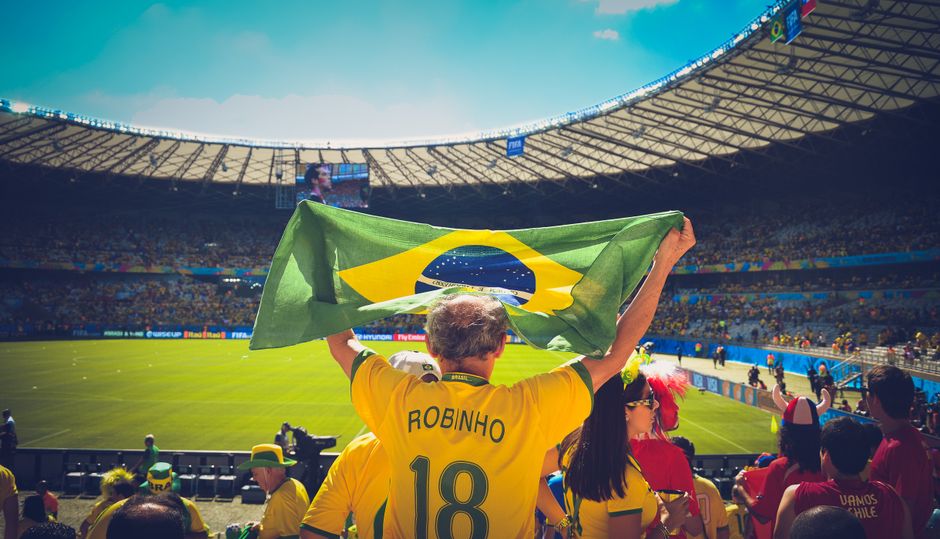
The 2026 World Cup has a distinctly crypto flavor, with Kraken becoming FIFA’s first exchange partner and Chainlink and Avalanche joining the sponsorship roster. The tournament kicks off in Atlanta with Spain vs Cape Verde, signaling a new chapter for blockchain in global sports.
What to Know
- Kraken becomes FIFA’s first-ever crypto exchange partner for the 2026 World Cup.
- Chainlink and Avalanche are also partnering with FIFA for the tournament, marking a multi-chain approach.
- The World Cup runs from June 14 to July 14, 2026.
- Opening match: Spain vs Cape Verde in Atlanta.
- These partnerships could boost blockchain adoption and visibility on a global stage.
- The deal may redefine sports sponsorship dynamics and mainstream crypto appeal.
- Prior crypto sports sponsorships have seen declines in some regions, suggesting a shifting landscape.
- Curaçao’s World Cup debut highlights its concurrent crypto regulation efforts.
The World Cup Goes Crypto
For decades, the FIFA World Cup has been the pinnacle of global sporting events, attracting billions of viewers and sponsorship dollars from traditional industries. In 2026, a new player enters the pitch: cryptocurrency. The announcement that Kraken has become FIFA’s first crypto exchange partner, alongside blockchain infrastructure providers Chainlink and Avalanche, marks a watershed moment for the industry.
“The integration of crypto in the World Cup highlights its growing role in global events, potentially boosting blockchain adoption and visibility.”
The timing is deliberate. With the tournament hosted across the United States, Canada, and Mexico, the reach is unprecedented. Crypto firms are betting that associating with FIFA’s brand will lend legitimacy and accelerate mainstream acceptance. For FIFA, it’s a chance to tap into a tech-savvy, financially engaged audience that traditional sponsors often miss.
Kraken’s Breakthrough
Kraken has long positioned itself as a compliance-first exchange, navigating the murky waters of global regulation. Landing a partnership with the world’s most prestigious football organization is a massive endorsement of its brand. As the first exchange to secure a FIFA deal, Kraken is signaling that crypto is ready for prime time.
“Kraken's FIFA partnership could redefine crypto's mainstream appeal, potentially boosting user adoption and reshaping sports sponsorship dynamics.”
The partnership likely includes branding at stadiums, digital assets, and fan engagement tools. While specific terms remain undisclosed, the implications are clear: crypto is no longer a fringe novelty but a legitimate marketing vehicle. For Kraken, the World Cup opens a funnel to millions of potential new users—many of whom may be encountering a crypto exchange for the first time.
A Broader Crypto Play
Kraken is not alone. Chainlink, the decentralized oracle network, and Avalanche, the smart contract platform, are also FIFA partners for 2026. This trio suggests a coordinated push by the blockchain ecosystem to embed itself in global culture. Each project brings distinct value: Chainlink can power verifiable randomness for digital collectibles or ticketing; Avalanche offers high‑throughput infrastructure for fan tokens or decentralized applications.
“Crypto partnerships at the World Cup could significantly boost blockchain adoption and visibility, influencing future sports and tech collaborations.”
The involvement of multiple chains indicates that FIFA is not betting on a single protocol but embracing the broader crypto landscape. This could set a precedent for other major sporting bodies—the Olympics, the Super Bowl, the Champions League—to follow suit. The interoperability narrative gains real-world traction when fans can interact with blockchain services from different networks under one event roof.
The Opening Act
The World Cup 2026 opens with a match between Spain and Cape Verde in Atlanta. Atlanta, a city with a growing fintech and blockchain scene, is a fitting stage for this crypto‑infused kickoff. The match itself symbolizes the tournament’s expanded format and global reach—Cape Verde, a small island nation, making its debut on football’s biggest stage echoes the underdog ethos often championed by the crypto community.
From June 14 to July 14, the eyes of the world will be on the pitches across North America. For crypto enthusiasts, the real action may be off the field: in the digital wallets, fan tokens, and blockchain‑based experiences that FIFA and its partners roll out. If executed well, this World Cup could become a showcase for how blockchain can enhance fan engagement, ticket security, and merchandise authenticity.
Signals and Questions
Not all is bullish in the world of crypto sports sponsorships. The announcement of these partnerships comes against a backdrop of retreat in other regions. A recent analysis noted “the decline of crypto in sports sponsorships suggests a shift towards more traditional, tangible forms of fan engagement and celebration.” This raises an important question: is the FIFA deal a signal of recovery, or a last‑gasp attempt by an industry still searching for relevance?
Furthermore, Curaçao’s emergence as a World Cup participant and its simultaneous push for crypto regulation highlights the complex interplay between sports and regulation. While Curaçao positions itself as a sandbox for blockchain innovation, other jurisdictions are tightening the screws. The success of the FIFA‑crypto partnerships may depend on whether regulators view them as legitimate marketing or masked promotion of risky assets.
Open questions remain: How will fans react to crypto branding? Will the partnerships drive real adoption, or remain surface‑level signage? And what happens when the final whistle blows?
Looking Ahead
As the 2026 World Cup progresses, the crypto industry will be watching closely. For Kraken, Chainlink, and Avalanche, the tournament is a massive live experiment in mainstream exposure. If fan engagement metrics rise, if new wallets are created, if blockchain‑powered features enhance the spectator experience, the case for crypto in sports will be strengthened immeasurably.
The road ahead is not without risks. Market volatility, regulatory crackdowns, and public skepticism could all dampen the impact. Yet the fact that FIFA—an institution synonymous with global unity—has opened its arms to crypto is itself a powerful statement. This World Cup may be remembered not just for goals or upsets, but for the moment blockchain stepped onto the world’s biggest stage and found a seat at the table.