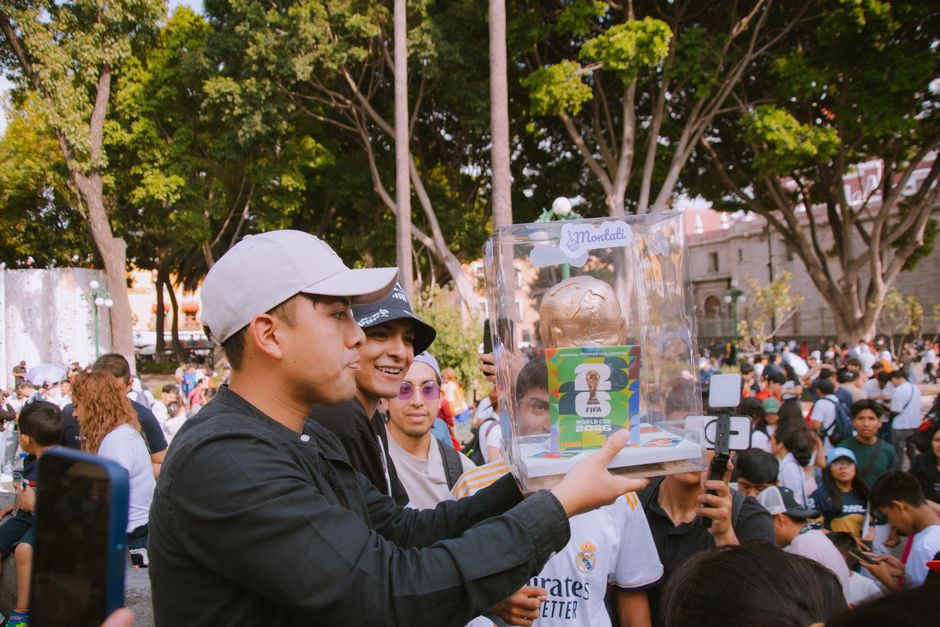
The World Cup is no longer just a sporting event — it's becoming a stage for crypto's biggest ambitions. From exchange sponsorships to memecoins, the line between fandom and finance is blurring.
What to know
- Kraken has partnered with FIFA, signaling crypto’s growing role in global sports and potentially reshaping how fans interact with the game.
- The rise of sports-themed memecoins, such as $MADUEKE, highlights speculative trends that often lack genuine ties to athletes.
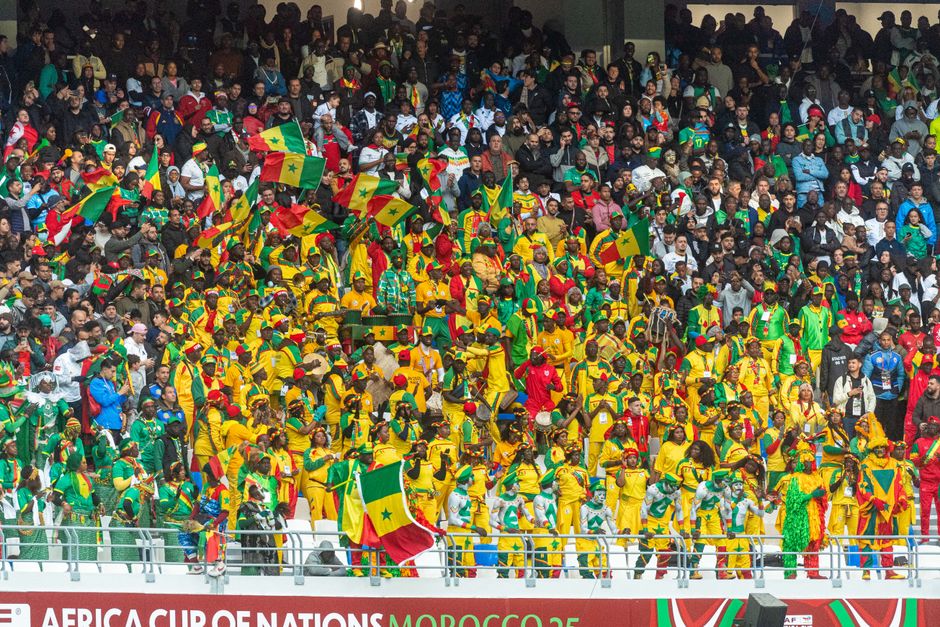
- The Belgium vs Senegal World Cup match put crypto’s sports ambitions on full display, blending national pride with digital asset promotion.
- Volpato's national team switch reminds us that athletic identity transcends digital assets, grounding the conversation in human narratives.
- England star warned against underestimating DR Congo, showing that real-world competition still drives the story.
The Kraken-FIFA Deal: A New Playbook
The announcement that Kraken will sponsor FIFA marks one of the most significant crossovers between crypto and traditional sports. This is not a small experiment — it is a full-throated endorsement of digital assets by the world’s most-watched sporting organization.
"The integration of crypto in sports could redefine fan engagement and investment."
For Kraken, the move is a strategic play for mainstream adoption. The World Cup’s global audience offers a direct line to millions of potential users who may have never touched crypto. The exchange is betting that sports fandom can be the gateway to a new generation of investors.
For FIFA, the partnership opens doors to innovative fan experiences — tokenized tickets, blockchain-based memorabilia, and perhaps even rewards tied to match outcomes. The goal is to turn passive viewers into active participants in the financial ecosystem of the sport.
The Memecoin Phenomenon
Not every crypto-sports crossover is built on solid ground. The emergence of $MADUEKE, a memecoin launched during World Cup fever, highlights a darker, more speculative side of the trend.
"The rise of sports-themed memecoins highlights speculative trends in crypto, often lacking substance and genuine ties to the sports figures."
These tokens often ride on the coattails of a player’s name or a moment of hype, without any official endorsement or utility. The England star’s public warning against underestimating DR Congo was quickly tangled with token chatter, showing how easily real sports stories get hijacked by crypto speculation.
Investors should tread carefully. While memecoins can generate explosive short-term returns, they are also among the riskiest assets in the market — especially when they have no direct link to the athletes or events they reference.
Fan Engagement or Fintech Hype?
The core promise of crypto in sports is a deeper, more rewarding relationship between fans and the games they love. But the reality is more complex.
On one hand, blockchain technology can enable transparent ticketing, verifiable collectibles, and new ways for fans to vote or influence club decisions. Kraken’s FIFA deal could accelerate these applications on a global scale.
On the other hand, the proliferation of speculative tokens risks turning fandom into a gambling activity. When a fan buys a memecoin tied to a player, they are not supporting the athlete — they are betting on attention. This distinction matters as regulators begin to scrutinize the space.
Regulatory Headwinds
As crypto deepens its roots in sports, regulators are paying attention. The same features that make blockchain attractive — borderless transactions, pseudonymity, programmability — also raise concerns around consumer protection and market integrity.
"The integration of crypto in sports could potentially influence global adoption and regulatory landscapes."
Sports leagues and exchanges will need to navigate a patchwork of rules across jurisdictions. FIFA and Kraken have the resources to comply, but smaller players — especially memecoin issuers — may find themselves on the wrong side of enforcement actions.
Global Spotlight: Belgium vs Senegal
The Belgium vs Senegal World Cup match served as a real-world test case for crypto’s integration into sports. The game itself was a high-stakes clash, but the surrounding narrative was heavily flavored by digital asset promotion.
Meanwhile, Volpato's decision to switch national teams offered a reminder that sports are ultimately about human stories. His move “highlights the global nature of sports, transcending digital asset relevance and focusing on athletic identity.” Crypto may provide new tools, but it does not replace the passion of the game.
Looking Ahead
The intersection of crypto and sports is still in its early innings. Kraken’s FIFA sponsorship is a landmark bet on long-term legitimacy, while the memecoin craze shows the market’s appetite for short-term thrills.
Moving forward, the winners will be those who build real utility — not just hype. Fans, regulators, and investors alike will be watching to see whether crypto enhances the sporting experience or simply exploits it. The next few years will determine whether this partnership becomes a model for the future or a cautionary tale.
For now, the World Cup remains a stage where both the beautiful game and the crypto experiment play out in real time.