Real Madrid brings back a familiar face, Barcelona eyes a midfield maestro on a free, and Birmingham City keeps it old-school. Here’s what these moves mean for the beautiful game and its digital future.
What to know
- Real Madrid have appointed José Mourinho as head coach on a three-year deal, signaling a focus on leadership stability.
- Barcelona are targeting Bernardo Silva as a free agent to bolster their midfield, part of a broader strategic shift toward sustainable squad planning.
- Birmingham City have activated a €7 million buy option for midfielder Jhon Solis in a traditional transfer with no crypto involvement.
- Mourinho’s return to Madrid is expected to impact fan engagement and market dynamics, particularly around the club’s fan token ecosystem.
- Barcelona’s pursuit of Silva could influence its Barça Fan Token dynamics, highlighting the intersection of sports and digital finance.
- Birmingham City’s deal underscores the enduring reliance on conventional transfer methods over crypto innovations in football transactions.
- These developments come amid growing conversations about how blockchain and tokens are reshaping football economics and fan relationships.
The Mourinho Effect: Stability Meets Showmanship
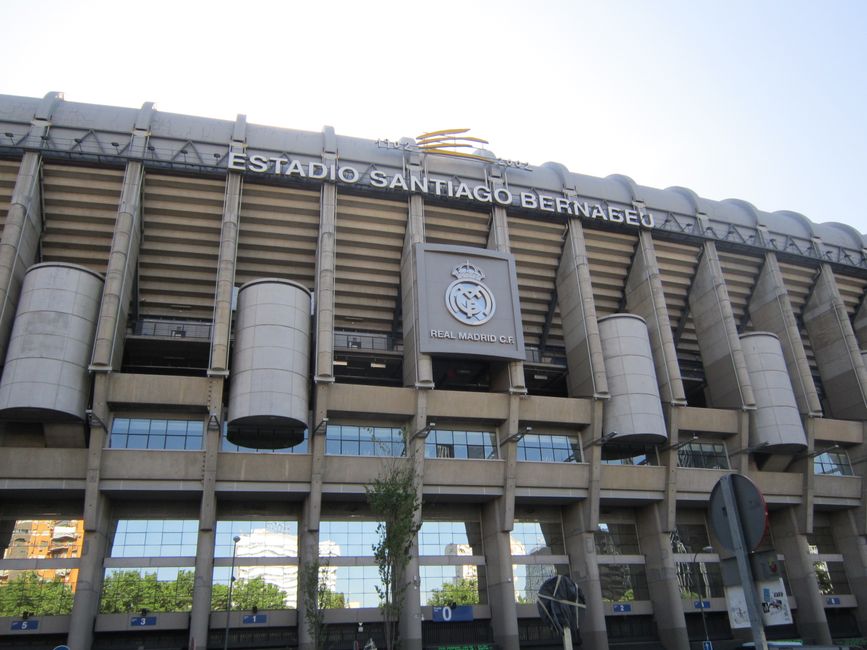
When Real Madrid announced the return of José Mourinho on a three-year contract, the football world took notice. The Portuguese manager, known for his tactical acumen and polarizing personality, is back at the Santiago Bernabéu after a hiatus. The move is not just about coaching — it’s a statement on leadership stability.
Mourinho’s appointment comes at a time when Real Madrid’s on-pitch performance has been strong, but off-pitch dynamics, including fan engagement and market positioning, are under scrutiny. The club has been active in the fan token space, and a stable, high-profile figure like Mourinho could bolster that ecosystem. > “His return highlights the club’s strategic focus on leadership stability, impacting fan engagement and market dynamics,” noted Crypto Briefing.
For investors and token holders, Mourinho’s presence could mean renewed confidence. His marketability and track record might drive token utility and community engagement. But there are risks: Mourinho’s tenure at previous clubs has been volatile, and the three-year deal suggests Real Madrid is betting on a different outcome this time.
Barcelona’s Calculated Gamble: Bernardo Silva and Fan Tokens
Barcelona is quietly building a midfield for the future. The Catalan club has set its sights on Bernardo Silva, the Portuguese playmaker currently at Manchester City, as a free agent. This is a departure from the big-spending days of the past — a sign of a more sustainable approach to squad building.
But there’s a digital angle. Barcelona has been one of the most proactive clubs in the fan token space, with its Barça Fan Token serving as a key engagement tool. A high-profile signing like Silva could reignite interest in the token, especially among global fans. > “Barcelona’s strategic player acquisition could influence fan token dynamics, highlighting the intersection of sports and digital finance,” according to Crypto Briefing.
The move also raises questions about squad planning. By targeting a free agent, Barcelona is balancing financial prudence with sporting ambition. If Silva joins, it could be a masterstroke — but it also puts pressure on the club to leverage his arrival to boost token activity and fan loyalty.
Birmingham’s Old-School Move: A €7M Statement
While Real Madrid and Barcelona make headlines that ripple into the crypto sphere, Birmingham City is operating in a different lane. The Championship club has activated a €7 million buy option for Jhon Solis, a Colombian midfielder, in a straightforward, traditional transfer.
There are no crypto ties here. No tokenized player shares, no blockchain payment rails — just a classic cash deal. This may seem unremarkable, but in a landscape where digital innovation is increasingly touted, Birmingham’s move is a reminder that the old guard still dominates. > “Birmingham City’s traditional transfer highlights the enduring reliance on conventional methods over crypto innovations in football deals,” reported Crypto Briefing.
For clubs outside the elite revenue brackets, the cost and complexity of blockchain integration remain barriers. Solis’s transfer is a textbook example of how most football business is still done: scout, negotiate, pay the fee. It doesn’t mean crypto has no place — but it shows that adoption is uneven and far from complete.
The Token Tension: Crypto’s Uneven Footprint in Football
Taken together, these three stories paint a picture of football at a crossroads. On one hand, elite clubs like Real Madrid and Barcelona are actively exploring fan tokens and digital engagement as part of their strategy. On the other, a club like Birmingham City shows that the vast majority of transfers still happen without any crypto involvement.
José Mourinho’s return could accelerate Real Madrid’s token strategy by providing a stable narrative. Bernardo Silva’s potential arrival at Barcelona might give the Barça Fan Token a shot of adrenaline. But Jhon Solis’s move to Birmingham is a reminder that for every headline-grabbing crypto partnership, there are hundreds of deals settled in euros.
The implications for the crypto industry are clear: the football market is still largely untapped. Clubs that successfully integrate tokens and blockchain solutions will likely see a competitive advantage in fan engagement and revenue. But the path is slow, and traditional methods remain entrenched.
Looking Ahead
As the summer transfer window heats up, all eyes will be on how these moves play out. Can Mourinho bring stability and boost Real Madrid’s digital ecosystem? Will Silva’s move to Barcelona catalyze fan token activity? And will Birmingham’s traditional approach inspire others to stay the course — or signal that the time is ripe for disruption?
The intersection of football and crypto is still being written. These three stories are just the latest chapters in an ongoing narrative that will shape the sport for years to come. Whether you’re a fan, an investor, or a club executive, the message is clear: the game is changing, but slowly.