Oil breaches $80 as US-Iran talks collapse, reviving supply fears. Meanwhile, Bitcoin emerges as an unexpected player in Iran's crude trade, complicating the global economic outlook.
What to know
- Oil prices climbed above $80 per barrel after US-Iran negotiations were canceled, stoking supply concerns.
- The lifting of a naval blockade could stabilize crude markets, but uncertainty remains high.
- Iran is using Bitcoin for transit fees on oil shipments, marking a notable integration of crypto in international commerce.
- Global equity funds logged their highest weekly inflows in 19 months, driven by earlier optimism around the Iran deal.
- Rising oil prices may reignite inflation fears, pressuring central banks to maintain higher interest rates.
- Increased regulatory scrutiny on crypto assets is likely, especially given Bitcoin's role in Iranian crude trade.
The Geopolitical Trigger: Oil at $80
The abrupt cancellation of US-Iran talks sent crude oil prices above the $80 mark, a level that historically sparks supply fears. Energy markets quickly repriced risk as the prospect of diplomatic resolution faded. Even with a previously lifted naval blockade, the path forward remains uncertain.
The Strait of Hormuz, a critical chokepoint for global oil shipments, remains a flashpoint. Any disruption here can ripple through global supply chains within hours.
Iran and the US are now back to square one. The peace deal that had buoyed markets is on life support, and traders are bracing for prolonged volatility.
The Bitcoin Connection: Crypto as a Trade Tool
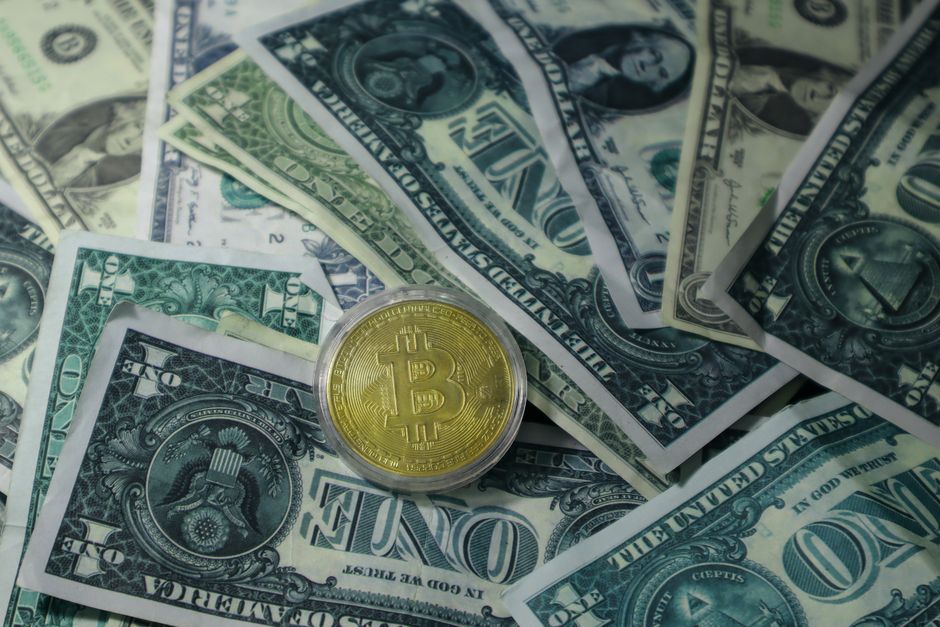
In a surprising but significant development, Bitcoin has entered the crude oil trade. As reported by Crypto Briefing, Iran is now using Bitcoin to facilitate transit fees for its oil shipments. This is not a small experiment — it reflects a real shift in how sanctioned nations move value across borders.
Bitcoin is no longer just a speculative asset; it is becoming a utility in global trade, especially for countries operating under financial restrictions.
This move, while innovative, also invites regulatory attention. The US and other nations may tighten anti-money laundering (AML) and sanctions compliance frameworks as a direct response.
Global Markets React: Equity Inflows Surge and Reverse
Before the talks unraveled, optimism over the Iran deal drove global equity inflows to a 19-month high. Investment banks such as Goldman Sachs and Barclays raised their targets on European stocks, betting on lower oil prices and regional stability.
Now, the reversal is sharp. The same risk-on flows that lifted equities are at risk of retreating as oil rises. The market's mood has shifted from hope to caution in a matter of days.
Inflation Fears and Regulatory Ripple Effects
Oil at $80 is a classic inflation trigger. Central banks, still fighting to bring down price pressures, may be forced to keep rates elevated. That would tighten financial conditions for all risk assets, including cryptocurrencies.
For the crypto space, the regulatory risk is even more acute. Bitcoin's involvement in Iranian oil transactions gives regulators a concrete example to point to when arguing for stricter oversight. Expect discussions around digital asset compliance to intensify in coming weeks.
Looking Ahead
The situation is far from settled. All eyes are on whether US-Iran talks can resume or if they will deteriorate further. Meanwhile, the intersection of oil, geopolitics, and crypto is becoming a defining theme for markets.
Investors should watch for:
- Further oil price moves and their impact on inflation expectations.
- Any statements from US regulators regarding crypto and sanctions.
- The flow of global equity funds as a sentiment barometer.
One thing is clear: cryptocurrency is no longer operating in a vacuum. Macro forces are now as important as blockchain fundamentals.