The 2026 FIFA World Cup is not only a football spectacle but also a proving ground for blockchain prediction markets. Polymarket has become a central hub, with over $3.3 billion in World Cup-linked contracts traded, signaling a new financial layer around the tournament.
What to know
- Polymarket has recorded more than $3.3 billion in trading volume from World Cup-linked prediction contracts.
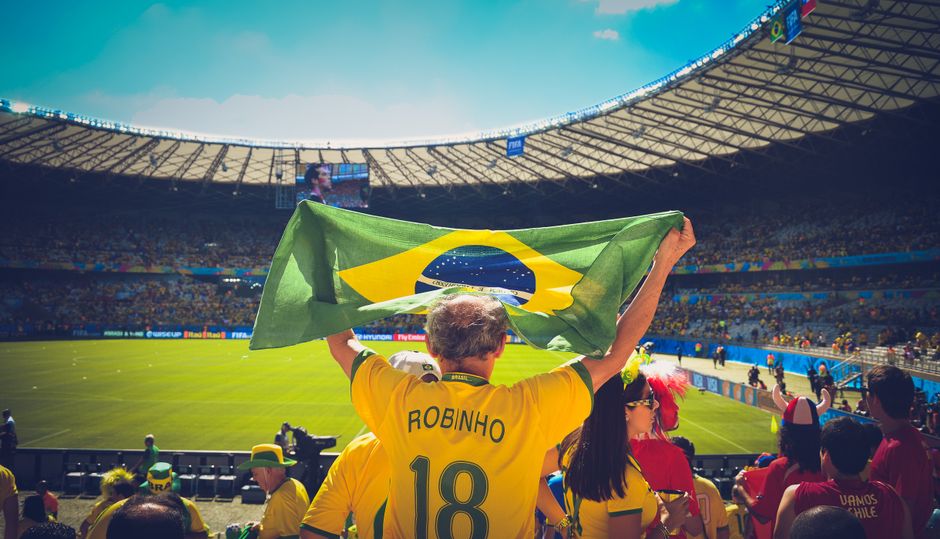
- Brazil defeated Japan 2-1 in the Round of 32 at the Maracanã Stadium in Rio de Janeiro.
- The match saw a sharp uptick in both prediction market activity and fan token usage.
- Crypto Briefing and Cryptoslate reported that blockchain integration in sports is accelerating.
- The volume spike includes bets on match outcomes, top scorers, and tournament progression.
- France and Argentina have emerged as frontrunners in the markets, raising questions about concentrated odds and potential longshot dynamics.
- Behind the headline numbers, an “unusual picture” is forming, according to Cryptoslate, with some market segments showing skewed liquidity.
A Record‑Setting Tournament for Crypto Markets
The 2026 World Cup has become an unprecedented arena for blockchain‑based prediction platforms. Polymarket’s $3.3 billion pool of World Cup contracts dwarfs previous sports‑related volumes, reflecting a broader shift in how fans engage with live events. The contract range from straightforward match‑winner bets to more exotic propositions like the exact timing of red cards.
Brazil’s victory over Japan in the Round of 32 was a marquee event that drew massive attention. The match, played at the historic Maracanã, not only decided which team advanced but also served as a catalyst for a wave of trading on Polymarket. Within hours of the final whistle, the platform processed thousands of new contracts tied to Brazil’s subsequent odds and Japan’s elimination path.
The Crypto‑Sports Nexus: Fan Tokens and Prediction Markets
Beyond prediction contracts, the game also highlighted the role of fan tokens. Brazilian and Japanese fan tokens saw elevated trading volumes around kickoff, as supporters used them to unlock in‑app rewards and exclusive content. This dual activity — betting markets and fan tokens — paints a picture of a sports ecosystem increasingly intertwined with digital assets.
Crypto Briefing noted that “the integration of crypto in sports, highlighted by fan token activity and prediction markets, signals a growing trend of digital assets influencing global events.” This observation aligns with data showing that several World Cup sponsors now accept cryptocurrency payments, and that blockchain‑based ticketing solutions are being piloted in select matches.
The Longshot Problem: A Deeper Dive into the Numbers
While the $3.3 billion figure is striking, Cryptoslate reported that the surge is “creating an unusual picture beneath the headline numbers.” Specifically, markets for long‑shot outcomes — such as underdog nations advancing deep into the tournament — are seeing disproportionate capital, while balanced markets remain thin. France and Argentina, both traditional powerhouses, are “pulling ahead” in the odds, concentrating liquidity in a few high‑probability outcomes.
“Prediction markets are drawing one of their largest sports audiences yet from the World Cup, but the surge is creating an unusual picture beneath the headline numbers.” — Cryptoslate
This concentration could lead to lower returns for casual bettors and increased volatility if unexpected results occur. Platforms like Polymarket may need to adjust their risk management frameworks as the tournament progresses.
What This Means for Future Tournaments
The 2026 World Cup is a case study in how blockchain technology can embed itself into global sports. The $3.3 billion volume on Polymarket is a proof of concept for decentralized prediction markets at scale. However, the dynamics of longshot concentration and fan token volatility suggest that the infrastructure is still maturing.
For fans, the appeal is clear: real‑time, borderless betting with transparent odds. For regulators, the explosion of cross‑border crypto wagering raises familiar questions about investor protection and market integrity. The tournament’s remaining matches — including potential Brazil title runs — will test whether Polymarket can sustain its growth without destabilizing market health.
Looking Ahead
As the World Cup progresses, all eyes will be on both the pitch and the blockchain. The convergence of sports and crypto is no longer a novelty — it is a structural shift. Polymarket’s $3.3 billion volume may be just the beginning, but the “longshot problem” highlights that even in a boom, market design matters. The next few weeks will reveal whether this year’s tournament becomes a template for future events or a cautionary tale.
Regardless of outcome, the 2026 World Cup has already written one story: blockchain prediction markets have arrived as a major force in global sports engagement.