As the Federal Reserve under Chair Kevin Warsh moves toward a less transparent communication style, markets are grappling with heightened uncertainty. Gold’s recent rally suggests a more dovish path, but volatility is rising as investors adjust.
What to know
- Fed Chair Kevin Warsh signaled that inflation risks have cooled, prompting a rebound in gold prices.
- Reduced forward guidance under Warsh's Fed is increasing market volatility, requiring investors to monitor official communications more closely.
- Warsh’s stance implies stable monetary policy, reducing expectations for rate cuts while highlighting economic resilience.
- Persistent overestimation of Fed rate hikes could lead to misaligned investment strategies and further market turbulence.
- Gold's rise is seen as a signal of optimism for a less aggressive Fed, but sustained trends depend on upcoming economic data.
- Warsh’s commitment to Fed independence may stabilize markets but could strain relations with the White House, adding a political dimension.
The Shift Toward Opaque Communication
During past tightening cycles, the Federal Reserve relied heavily on forward guidance to manage market expectations. Chair Kevin Warsh is now dialing back that approach. According to reports, “reduced forward guidance under Warsh's Fed increases market volatility,” forcing investors to parse every word from policymakers with heightened attention. This departure from the playbook of predecessors like Jerome Powell represents a deliberate move to regain flexibility — but it comes at a cost.
Markets accustomed to clear signposts are now navigating a fog. The change is especially significant when combined with the persistent underestimation of rate hike cycles. Analysts note that “persistent overestimation of Fed rate hikes could lead to market volatility and misaligned investment strategies,” as investors consistently misjudge the central bank’s next move.
The new communication strategy forces traders to treat every public statement as a potential catalyst, amplifying day-to-day swings in equities and bonds alike.
Gold’s Rebound as a Market Signal
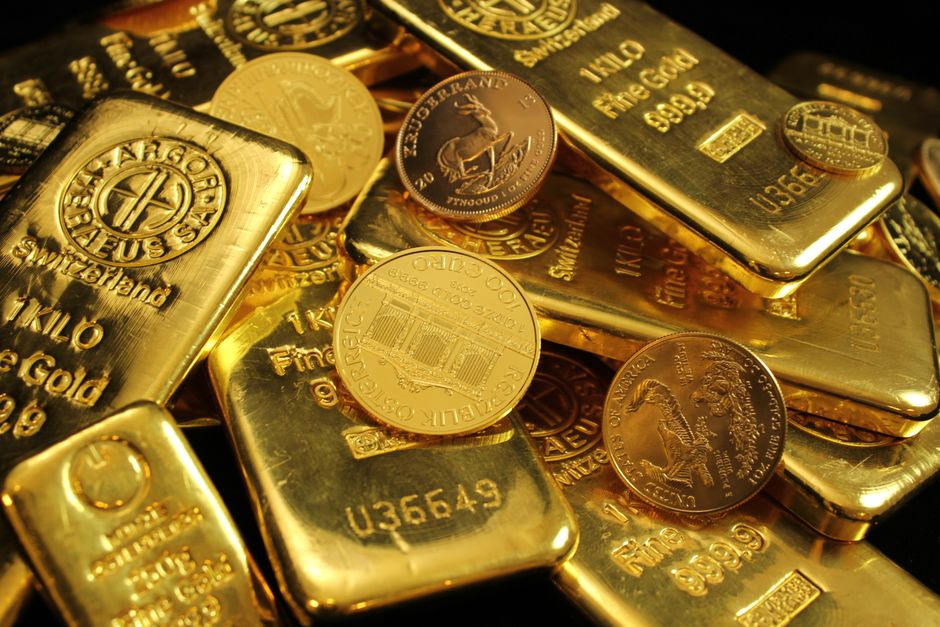
Gold emerged as an early beneficiary of Warsh’s dovish lean. On two consecutive days, the precious metal rose as traders interpreted the Chair’s remarks as a sign that inflation is no longer the primary threat. One report states “gold's rise signals market optimism for a less aggressive Fed,” while another confirms “gold rebounds as Fed Chair Warsh signals inflation risks have cooled.”
This rally in gold is notable because it often serves as a barometer of real interest rate expectations. When inflation fears ebb, the opportunity cost of holding non-yielding assets declines, and gold becomes more attractive. However, the sustainability of this move hinges on incoming data. The same reports caution that future economic figures will determine whether the trend continues.
Risks in the Fog of Reduced Guidance
While the immediate market reaction has been positive, the structural risks are clear. Reduced forward guidance means less certainty around the timing and magnitude of policy adjustments. For portfolio managers constructing scenarios based on a predictable Fed, this shift introduces a new source of risk.
Secondly, the persistence of overestimation of rate hikes — even as actual rate cuts may be on the table — suggests a fundamental disconnect between market models and the central bank’s real intentions. “Persistent overestimation of Fed rate hikes could lead to market volatility and misaligned investment strategies,” meaning traders could be consistently wrong-footed.
The combination of opaque guidance and mispriced expectations creates fertile ground for sharp, unanticipated moves across asset classes.
Additionally, Warsh’s commitment to Fed independence, while reassuring for market stability, may create friction with the White House if economic priorities diverge. This political overlay adds yet another layer of uncertainty in an already complex environment.
Looking Ahead
The evolving communication style under Chair Kevin Warsh marks a pivot away from the high-guidance era of recent Fed chairs. For investors, the immediate takeaway is clear: watch every speech, minute, and interview. The gold rally offers a taste of what a less hawkish regime might look like, but the path is unlikely to be linear.
In the coming months, economic data — especially on employment and inflation — will either validate or undermine Warsh’s stance on cooling price pressures. If the data runs hot, volatility could spike anew. If it confirms the disinflation narrative, risk assets may extend their gains.
What is certain is that the Fed under Warsh has chosen a more cryptic path. Investors who adapt to reading between the lines will be better positioned than those who wait for clear maps.