Saudi Arabia's aggressive price cuts signal a strategic shift in global oil markets, with potential ripple effects from inflation to energy tokenization.
What to know
- Saudi Arabia cut Arab Light crude prices by $6 per barrel for July 2026 — the largest monthly reduction since 2000.
- A further cut of $11 per barrel for August followed, targeting Asian buyers amid weakening demand from China.
- The cuts coincide with a US-Iran agreement that has restored Iranian oil flows, adding to global supply.
- Analysts note the moves could stabilize crude prices and reduce the likelihood of price spikes.
- Lower oil prices may ease inflationary pressures, potentially lifting risk assets such as cryptocurrencies.
- The strategy could reshape OPEC+ dynamics and accelerate the tokenization of energy commodities.
- Refining margins are expected to narrow as crude input costs drop sharply.
The Scale of the Saudi Move
In an unprecedented break from recent pricing discipline, Saudi Arabia has announced two consecutive price reductions for its Arab Light crude. The first cut, effective July 2026, was $6 per barrel — the deepest single-month reduction since the turn of the millennium. The second, a $11 per barrel reduction for August, is even more aggressive and squarely aimed at Asian buyers.
These are not minor adjustments. They represent a deliberate strategic choice by the world's largest oil exporter to regain market share and respond to shifting demand patterns. The kingdom is signaling that it is willing to absorb short-term revenue loss to defend its position in its most important export region.
"The post Saudi Arabia slashes oil prices by largest margin since 2022 as China demand weakens appeared first on Crypto Briefing."
The scale of the cuts underscores the urgency Riyadh feels. With China — the world's top crude importer — showing signs of demand fatigue, Saudi Arabia is moving decisively to prevent a further erosion of its market share.
Why Now? The US-Iran Deal and China Demand
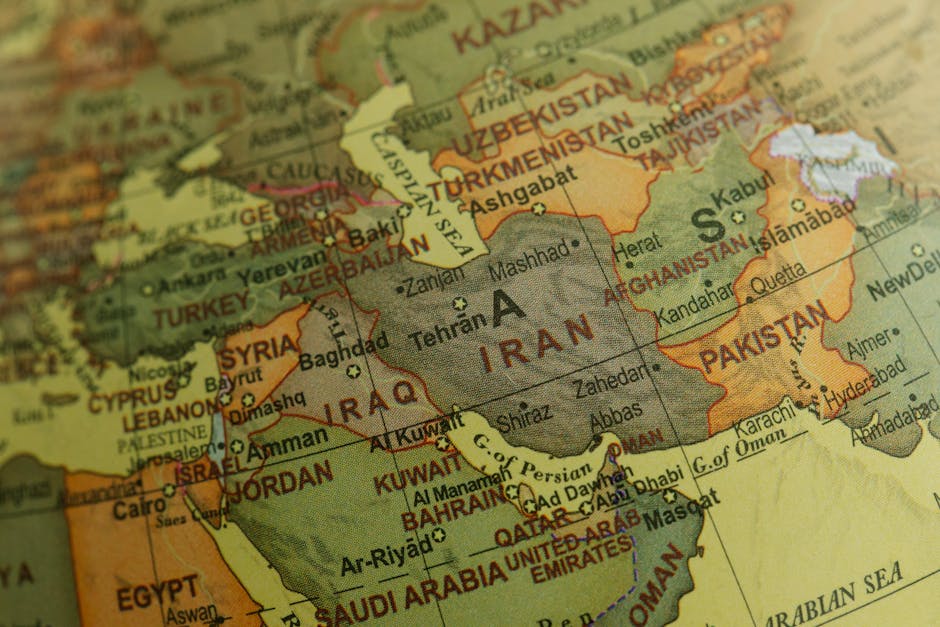
The timing of these price cuts is no coincidence. A recently finalized US-Iran deal has begun to ease supply tensions, with Iranian barrels returning to global markets. That additional supply, combined with softening demand from China, has created an environment where Saudi Arabia must act to keep its crude competitive.
Iran's return is particularly significant. For years, sanctions had kept a substantial portion of Iranian production offline. Now, with the deal restoring flows, the global supply picture has shifted. Saudi Arabia's price cuts can be read as a preemptive move to protect its customer base, especially in Asia, before Iranian barrels start flowing freely into the same markets.
"Saudi Arabia's price cuts and resumed oil flows may stabilize global markets, reducing the likelihood of crude oil price spikes."
Chinese demand weakness adds another layer. Economic data from Beijing continues to soften, dampening the appetite for crude. Saudi Arabia is responding by making its oil cheaper for Asian refiners — a classic market-share play.
Ripple Effects on Inflation and Risk Assets
For the broader economy, cheaper crude is a deflationary force. Oil prices permeate almost every sector, from transportation to manufacturing. A sustained drop in crude costs could reduce headline inflation in major economies, giving central banks more room to ease monetary policy.
That scenario is particularly bullish for risk assets. Historically, periods of falling oil prices and easing inflation have often preceded rallies in equities and cryptocurrencies. The trend suggests that Saudi Arabia's cuts could create a tailwind for digital assets.
"Saudi Arabia's price cuts signal a shift in global energy dynamics, potentially easing inflation and benefiting risk assets like cryptocurrencies."
While no specific cryptocurrency is named in the reporting, the implication is clear: a lower inflationary environment tends to support speculative capital flows into crypto markets. The kingdom's move may therefore have an indirect but positive impact on digital asset prices.
Energy Tokenization: A New Frontier
Perhaps the most intriguing long-term implication is the potential acceleration of energy tokenization. As crude prices compress and margins tighten, the oil and gas industry is under pressure to innovate. Tokenizing energy commodities — creating blockchain-based digital representations of barrels of oil — could offer new liquidity and efficiency for producers and traders.
Saudi Arabia has already been exploring blockchain technology through Crypto Briefing and other sources. The price cuts may further incentivize the industry to adopt tokenization as a way to hedge against price volatility and streamline trading.
"Saudi Arabia's price cut signals potential shifts in global oil dynamics, impacting refining margins and possibly accelerating energy tokenization."
If major producers begin moving volumes onto tokenized platforms, it could fundamentally reshape how oil is traded, stored, and financed. The current price environment might be the catalyst that pushes this concept from pilot projects into mainstream adoption.
Geopolitical and OPEC+ Implications
The price cuts also carry significant consequences for OPEC+ cohesion. Saudi Arabia's unilateral decision to slash prices — without coordination with other major producers — could strain relations within the alliance. Other members, particularly those with smaller margins, may feel pressure to match the cuts or risk losing customers.
Iran's return further complicates the picture. Tehran and Riyadh have historically been rivals within OPEC. With Iran now free to export, and Saudi Arabia cutting prices, the cartel faces internal friction that could undermine its ability to manage global supply.
"Saudi Arabia's oil price cut for Asia may reshape OPEC strategies and influence global oil market dynamics amid shifting demand trends."
Some analysts speculate that Saudi Arabia is using price leverage to force Iran back into a more cooperative posture. Others see it as a defensive maneuver to prevent a price war. Either way, the geopolitical chessboard is moving rapidly.
Who Stands to Gain and Lose
Winners:
- Asian refiners and consumers, who benefit from cheaper feedstock and lower fuel costs.
- Cryptocurrency markets, if inflation eases and risk appetite returns.
- Energy tokenization projects, which may see accelerated adoption.
Losers:
- Iran, which now faces a more competitive pricing environment as it re-enters the market.
- High-cost oil producers, particularly in North America, who may struggle to compete at lower price points.
- OPEC+ cohesion, as unilateral actions by Saudi Arabia could weaken trust.
Refining margins are also under pressure. While cheaper crude lowers input costs, the rapid price decline may lead to inventory losses and force refineries to adjust their operations.
Looking Ahead
The immediate question is whether Saudi Arabia's price cuts will be enough to stabilize demand — or whether further reductions are coming. If Chinese demand continues to weaken and Iranian supply ramps up, Riyadh may need to cut again.
Longer-term, the trend could accelerate the shift toward tokenized energy markets, as producers seek more flexible and transparent trading mechanisms. The US-Iran deal, meanwhile, will continue to reshape supply dynamics, and OPEC+ will need to find a new equilibrium.
For investors, the play is clear: monitor oil prices as a leading indicator for inflation trends, and watch the crypto space for signs of renewed capital inflows. Saudi Arabia's price cuts may be the signal that sets the next macroeconomic cycle in motion.