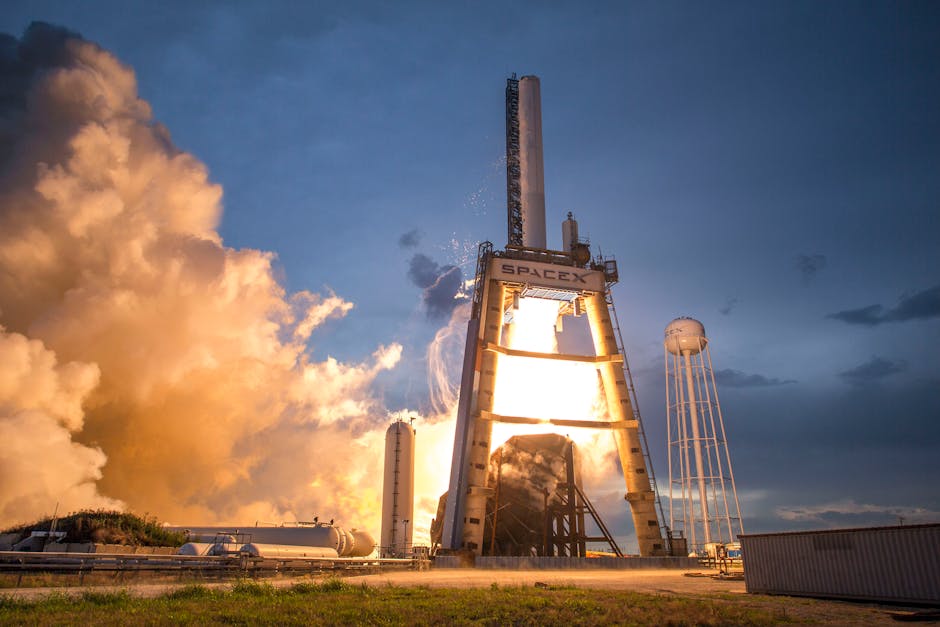
SpaceX, the private spacefaring giant, has filed for a blockbuster initial public offering on Nasdaq, seeking $1.75 trillion to turn its Mars ambitions into reality. With valuations projected between $2 trillion and $3 trillion, the listing under ticker XPO promises to be one of the largest in history and could send shockwaves through global capital markets.
What to know
- SpaceX will list on the Nasdaq exchange under the ticker symbol XPO.
- The company is targeting a valuation of $2 trillion to $3 trillion, making it one of the most valuable public companies.
- The IPO aims to raise $1.75 trillion to fund SpaceX's long-term goal of colonizing Mars.
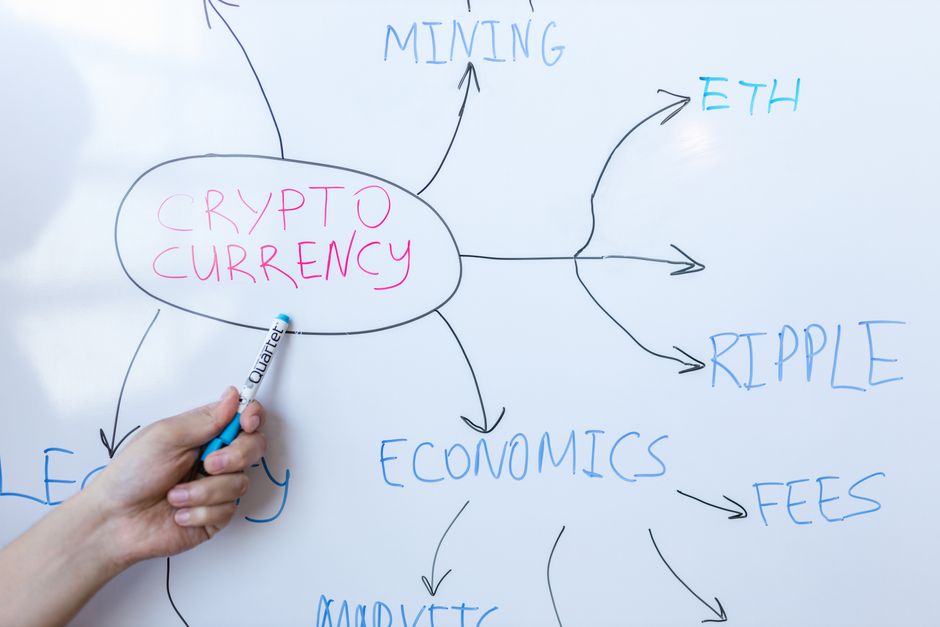
- Analysts believe the offering could reshape global capital markets, influencing risk assets like cryptocurrencies and corporate Bitcoin strategies.
- SpaceX's satellite internet service and data center ambitions may be accelerated, but face latency and regulatory hurdles that could slow growth.
- The company is aggressively hiring AI engineers and physicists, prioritizing skills over industry experience to drive innovation.
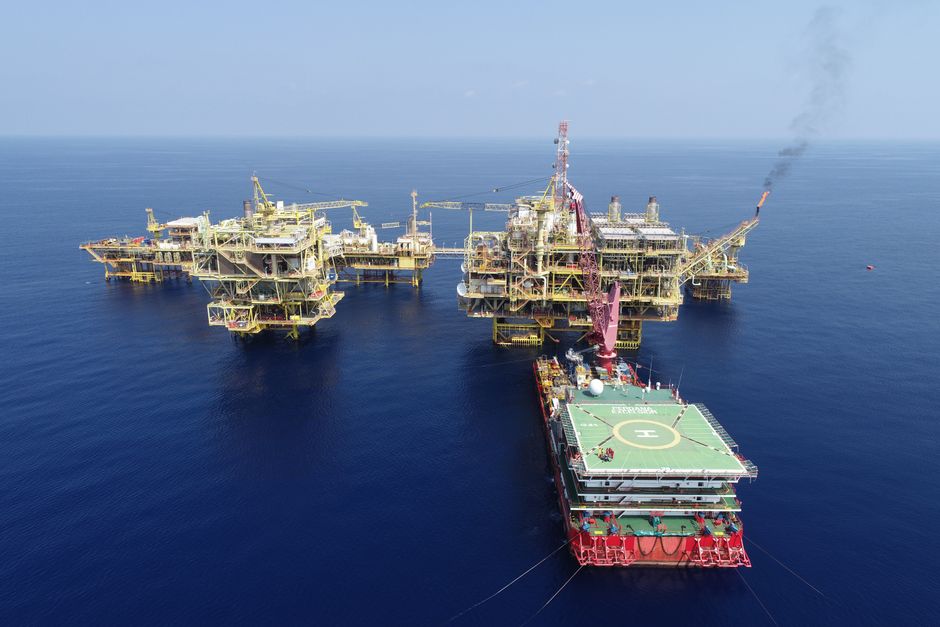
- SpaceX's investment in gas turbines underscores the urgent power demands of AI data centers, potentially reshaping energy markets.
The $2T Gamble: SpaceX Bets Big on Mars
On May 21, 2026, the financial world woke up to news that SpaceX — long a private entity — would finally go public. The company's prospectus reportedly values the enterprise at between $2 trillion and $3 trillion, a range that dwarfs even the largest tech giants. This is not an ordinary IPO; it is a bet on the future of humanity as a multi-planetary species.
The proceeds of $1.75 trillion are explicitly earmarked for SpaceX's Mars ambitions. Elon Musk has repeatedly stated that making life multi-planetary requires a staggering amount of capital — and this IPO is the mechanism to unlock it. The sheer scale of the offering suggests that SpaceX sees a window of investor appetite for long-term, speculative, and deeply ambitious projects.
“$1.75 trillion is the price tag for the first steps toward a permanent human presence on Mars.”
Listing on Nasdaq under the ticker XPO gives SpaceX access to a deep pool of liquidity and a global investor base. But it also brings new transparency and scrutiny — something the notoriously secretive company must now navigate. The IPO is not just a financial event; it is a statement that the commercial space industry has matured to the point where it can command capital at sovereign-wealth scale.
Ripple Effects Across Markets
The launch of a $2-3 trillion publicly traded SpaceX will have immediate and profound implications for global capital markets. According to analysis from Crypto Briefing, the IPO could redefine market dynamics, particularly for risk assets like cryptocurrencies. The reasoning is simple: SpaceX's success story validates the kind of long-term, high-risk, high-reward investing that underpins the crypto ecosystem. If an early-stage bet on Mars can command trillions, so too can decentralized digital assets.
Corporate Bitcoin strategies are also expected to feel the heat. A major publicly traded company with such a visionary narrative may prompt other firms to adopt similar treasury strategies — buying Bitcoin as a long-term store of value. The IPO could act as a “halo effect” for speculative assets, pulling capital toward visionary projects and away from traditional value stocks.
Institutional investors who once dismissed cryptocurrency as a fringe experiment may now reconsider, seeing SpaceX's massive valuation as proof that markets can stomach extreme uncertainty. The listing could trigger a wave of capital reallocation toward frontier technologies, with Bitcoin and other digital assets riding the coattails.
Beyond Earth: Satellite Internet and Data Centers
SpaceX's ambitions do not stop at the red planet. The company's Starlink satellite internet service and its foray into orbiting data centers are integral to its growth story. The IPO is expected to supercharge these efforts, giving SpaceX the financial firepower to expand its constellation and build infrastructure in low-Earth orbit.
But the path is not without potholes. The company faces latency issues that limit the effectiveness of satellite internet for real-time applications like gaming or financial trading. Regulatory hurdles, particularly around spectrum allocation and orbital traffic management, could slow deployment. Data centers in space — a concept that has generated buzz — face immense technical challenges, including heat dissipation and radiation, which even SpaceX's engineering prowess may struggle to solve quickly.
Satellite internet and space-based data centers could transform global connectivity, but only if SpaceX clears technical and regulatory bottlenecks first.
Critics have questioned the viability of space data centers, citing high costs and unproven reliability. Proponents argue that SpaceX's track record of rapid iteration and cost reduction gives it an edge. The IPO provides the runway to turn these concepts into revenue-generating realities — or to fail spectacularly if the physics doesn't cooperate.
AI and Energy: The Unseen Front
A lesser-known but critical element of SpaceX's strategy is its aggressive recruitment of AI engineers and physicists. The company is adopting a talent acquisition approach that emphasizes skills over industry experience, aiming to inject fresh thinking into aerospace. This could redefine how the entire tech sector hires, as SpaceX poaches top minds from software and research labs to work on rocket guidance, autonomous landing, and mission optimization.
Simultaneously, SpaceX is investing in gas turbines to power its AI data centers. This move highlights the enormous energy appetite of modern artificial intelligence. Training large models consumes gigawatts, and the existing grid is not built for such loads. By investing in gas turbines, SpaceX is signaling that power infrastructure is a strategic bottleneck for AI development — and it's taking matters into its own hands.
This dual push — AI talent on one side, energy infrastructure on the other — positions SpaceX as a key player not just in space, but in two of the most transformative trends of the century. The IPO will accelerate both initiatives, but also attract scrutiny from environmental regulators and energy markets.
Regulatory and Latency Hurdles
For all its ambition, SpaceX's path is fraught with risks. The latency problems inherent in satellite internet give terrestrial fiber and upcoming low-orbiting competitors an edge. Regulatory approvals for expanded constellations and orbital data centers are not guaranteed. The Federal Communications Commission and international bodies are increasingly concerned about space debris, frequency interference, and safety.
Moreover, a $2-3 trillion market cap invites intense scrutiny from the SEC and other financial regulators. Transparency requirements will force SpaceX to reveal more about its financials, cost structures, and contingency plans than ever before. This could dampen the mystique that has surrounded the company and attract activist investors demanding shorter-term returns.
The regulatory landscape for space is still evolving. New rules on resource extraction (for Mars missions) and orbital slots could delay timelines. SpaceX has navigated regulatory challenges before, but the scale of this IPO means every misstep will be magnified in real-time by markets.
Looking Ahead
SpaceX's initial public offering — if it proceeds as planned — will be a watershed moment. The combination of a $2-3 trillion valuation, a $1.75 trillion capital raise, and the explicit goal of colonizing Mars sets a new benchmark for what public markets can support.
Investors will watch closely for clues on how SpaceX balances short-term earnings pressure with its audacious long-term vision. The ripple effects on crypto, Bitcoin, satellite internet, data centers, AI, and energy markets will unfold over years. One thing is certain: the journey to Mars now runs through Nasdaq, and the entire financial ecosystem must adjust.
This story is developing. Check back for updates.