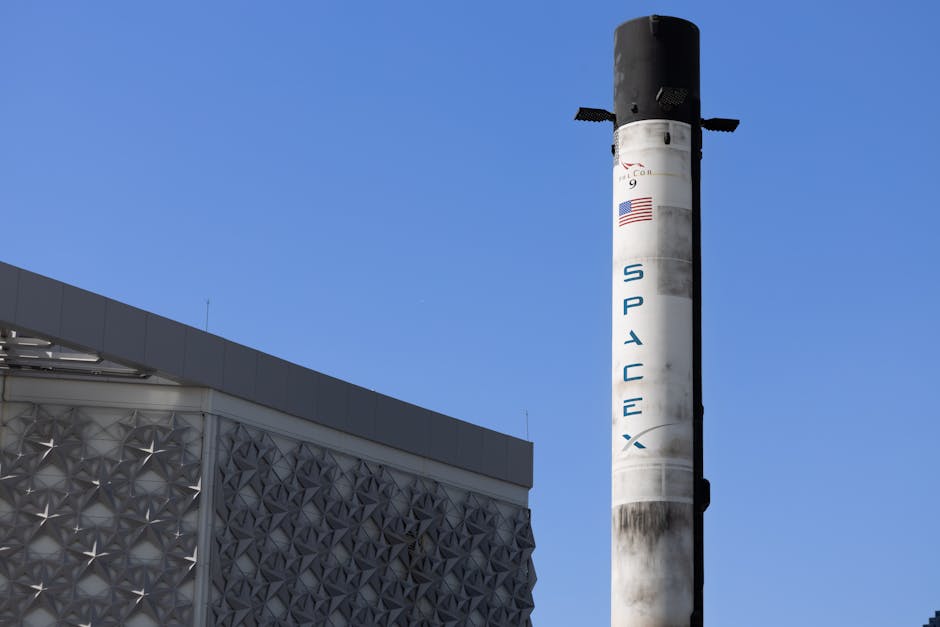
On June 12, 2026, SpaceX went public, triggering a Wall Street frenzy and catapulting Elon Musk to a net worth exceeding $1 trillion — a milestone that redefines wealth, power, and market appetite for space ventures.
What to know
- SpaceX’s IPO debuted with explosive demand, making it one of the largest public offerings in history.
- Elon Musk’s paper wealth surged past $1 trillion, earning him the title of world’s first trillionaire.
- The IPO has boosted Musk’s influence at a time when his public profile is more polarizing and powerful than ever.
- Wall Street’s embrace of SpaceX signals strong investor appetite for space and defense technology.
- Industry analysts highlight risks including governance issues and potential post-IPO volatility.
- The event is seen as a challenge to crypto investments, as traditional tech markets reclaim investor attention.
A Trillion-Dollar Milestone
When SpaceX went public on June 12, 2026, it did more than just list shares on the exchange. It crowned Elon Musk as the world’s first trillionaire — at least on paper. The valuation pushed Musk’s net worth past the $1 trillion mark, an unprecedented threshold that reshapes the global wealth conversation.
Wall Street responded with a frenzy. The IPO was heavily oversubscribed, with institutional and retail investors alike scrambling for a piece of the private space company that has dominated headlines with its reusable rockets, Starlink satellite network, and Mars ambitions. The debut was a validation of the commercial space sector’s maturity and profit potential.
But the sheer size of the wealth created raises eyebrows. Critics point to the concentration of economic power in a single individual, especially one who has become increasingly divisive. Musk’s influence now extends across multiple industries — electric vehicles, space, social media, neural technology — and his newfound wealth only amplifies that reach.
Wall Street’s Appetite for Space
The success of SpaceX’s IPO is more than a milestone for Musk. It signals a broader shift in market sentiment. After years of hype around space ventures, investors are now willing to bet big on companies that are generating real revenue and reducing launch costs. The IPO demonstrates that the market believes SpaceX will continue to dominate launch services, satellite broadband, and eventual deep-space missions.
Landing at exactly the right moment, SpaceX capitalized on a bull market for tech IPOs and a hunger for assets with tangible growth narratives. The “space economy” — once considered a speculative frontier — is now a core investment theme. Competitors like Blue Origin and Rocket Lab will likely face new pressure to follow SpaceX’s lead or risk losing investor confidence.
Governance and Volatility Concerns
Not everyone is celebrating. The IPO has renewed scrutiny over SpaceX’s corporate governance structure. The company has historically been tightly controlled by Musk, raising questions about board independence, decision-making, and succession planning. With public shareholders now in the mix, those dynamics will face daylight for the first time.
Post-IPO volatility is another concern. SpaceX shares could swing wildly as the market digests the company’s unproven long-term profitability outside of government contracts and Starlink subscriptions. If growth slows or a major mission fails, the stock could correct sharply. Analysts caution that retail investors may overlook these risks in the excitement of the trillionaire narrative.
Crypto Markets Under Pressure?
Interestingly, the SpaceX IPO may also impact the cryptocurrency landscape. As reported by Crypto Briefing, the capital flowing into traditional high-growth stocks like SpaceX could challenge the investment thesis for crypto assets. The “decentralized” allure of Bitcoin and Ethereum competes directly with the “moonshot” promise of space stocks. If investors flock to regulated, dividend-paying companies with government backing, digital assets could see a shift in sentiment.
This isn’t necessarily a zero-sum game, but the timing is notable. The IPO arrives just as crypto markets are stabilizing after a volatile period. Musk’s own history with crypto — from Bitcoin purchases to Dogecoin tweets — adds another layer. Some analysts interpret the event as a sign that mainstream capital will favor established tech behemoths over less regulated alternatives.
Musk’s Growing Power and Polarization
The trillionaire status comes at a peculiar moment for Elon Musk. Public opinion is sharply divided. He commands a loyal fan base among tech enthusiasts and free market advocates, but also faces heavy criticism for controversial statements, labor practices, and his handling of Twitter (now X). The IPO amplifies his platform — and his risk.
With a net worth exceeding $1 trillion, Musk has the financial firepower to influence policy, shape industries, and even bankroll political causes. That concentration of power unsettles some and excites others. Either way, the SpaceX IPO has cemented him as a figure who is simultaneously “more hated — and powerful — than ever,” as one observer put it.
Looking Ahead
The SpaceX IPO is not the end of the story – it is the beginning of a new chapter. The company must now navigate the pressures of quarterly earnings, shareholder expectations, and ongoing regulatory scrutiny. Elon Musk must adapt to life as a publicly accountable CEO, even as he pursues his most audacious goal: making humanity a multiplanetary species.
For investors, the watch items are clear: SpaceX’s ability to scale Starlink revenue, win government contracts, and avoid major launch failures. For the broader market, the ripple effects – on space investing, wealth concentration, and even crypto – will be felt for months and years to come.
The first trillionaire is here. The question is not whether he earned it, but how the world will respond to this new order.