SpaceX became the sixth largest public company overnight. Now the market is betting on Musk's trillion-dollar vision.
What to know
- SpaceX shares rose about 6% to $170 on Monday, continuing their post-IPO rally.
- CEO Elon Musk said the company could generate $1 trillion in annual revenue by the end of the decade.
- The IPO gave SpaceX a valuation of $2.5 trillion, making it the sixth largest publicly traded company.
- The stock's surge reflects strong investor confidence in space exploration and AI integration.
- Yahoo Finance data confirmed the Monday gain from Friday's close.
- Analysts warn that the stock's high revenue multiples could lead to sharp pullbacks if growth expectations are not met.
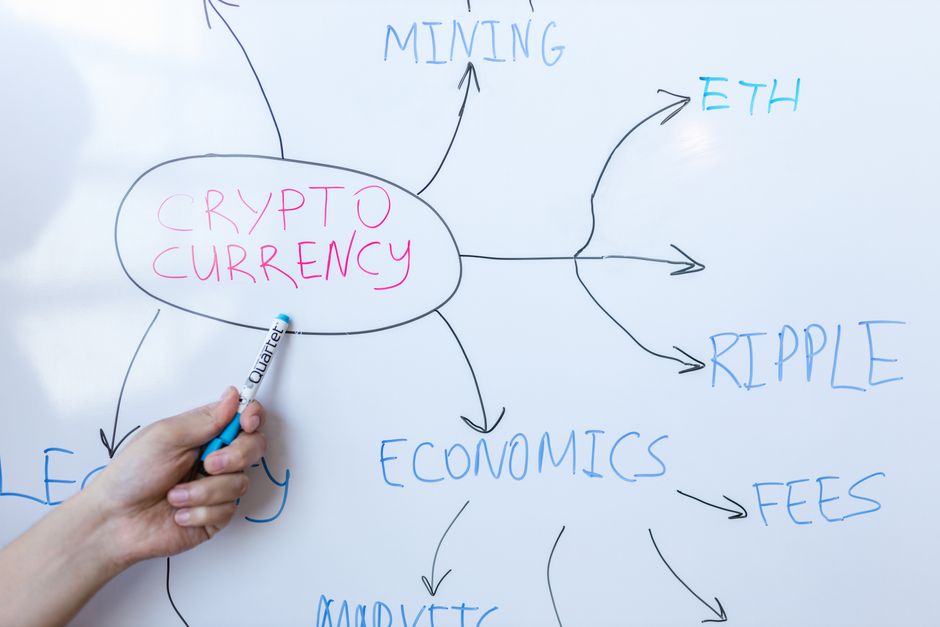
- Retail and crypto traders have been drawn to the stock, according to reports from Crypto Briefing.
The Historic Debut and Monday's Rally
When SpaceX finally went public last Friday, it was already the most anticipated IPO in a generation. The debut shattered records, instantly minting a $2.5 trillion valuation and catapulting the company to the sixth spot among all publicly traded firms. But the fireworks didn't stop there.
On Monday, the stock climbed another 6% to trade near $170, according to Yahoo Finance data. The move showed that demand remains intense, with retail and crypto traders piling in alongside institutional investors.
"The market is pricing in a future where space is a multi-trillion-dollar industry," one analyst noted.
The immediate question is whether this rally is sustainable. SpaceX is now valued at more than the entire market cap of many blue-chip giants — a reflection of the premium investors are willing to pay for exposure to the new space economy.
Musk's $1 Trillion Vision
At the heart of the enthusiasm is Elon Musk's bold prediction: the company could reach $1 trillion in annual revenue by 2030. That figure, if realized, would make SpaceX one of the largest companies by revenue on the planet — a staggering leap from its current levels.
Musk's vision leverages several growth drivers: the Starlink satellite internet constellation, Starship deep-space missions, and — increasingly — the integration of AI into spacecraft and ground operations. The IPO prospectus highlighted AI-driven efficiencies in manufacturing and mission planning as key to scaling revenue.
But achieving $1 trillion in revenue in less than five years would require an unprecedented growth trajectory. Even the most optimistic projections for the global space economy top out at roughly $1.8 trillion by 2035, meaning SpaceX would need to capture an enormous share of the market.
The Risks Beneath the Surface
For all the euphoria, there are warning signs. Crypto Briefing pointed out that the stock's rapid valuation surge hides "high revenue multiples" that leave SpaceX vulnerable if growth disappoints. At a $2.5 trillion market cap, the stock is trading at multiples that assume near-perfect execution.
If Starlink's subscriber growth decelerates, Starship faces technical delays, or AI integrations fail to deliver anticipated cost savings, the stock could correct sharply. The involvement of retail and crypto traders — a group often associated with speculative frenzies — adds another layer of risk.
"When the crowd is this excited, the downside can be sudden," one strategist warned.
Moreover, SpaceX operates in a heavily regulated industry. Any shift in government policy or international treaties could impact its ambitious launch schedule and satellite deployments.
Looking Ahead
SpaceX has crossed a historic threshold. Its IPO rally and Mr. Musk's trillion-dollar revenue target have captured global attention. But the company now faces the immense challenge of converting market euphoria into lasting financial performance.
Investors will watch the next few quarters closely for any sign that SpaceX's growth rate is matching the expectations baked into its valuation. The path to $1 trillion in revenue is uncharted. For SpaceX and its stakeholders, the journey is just beginning — and the margin for error is slim.