On June 20, 2026, Iran shut down the Strait of Hormuz to all shipping, triggering immediate instability in global energy markets and raising urgent questions about the future role of cryptocurrency in geopolitical crises.
What to know
- The Iranian government ordered the closure of the Strait of Hormuz, one of the world’s most critical maritime chokepoints, in coordination with the United States and the European Union.
- Officials cited alleged Israeli ceasefire violations as the immediate trigger for the decision.
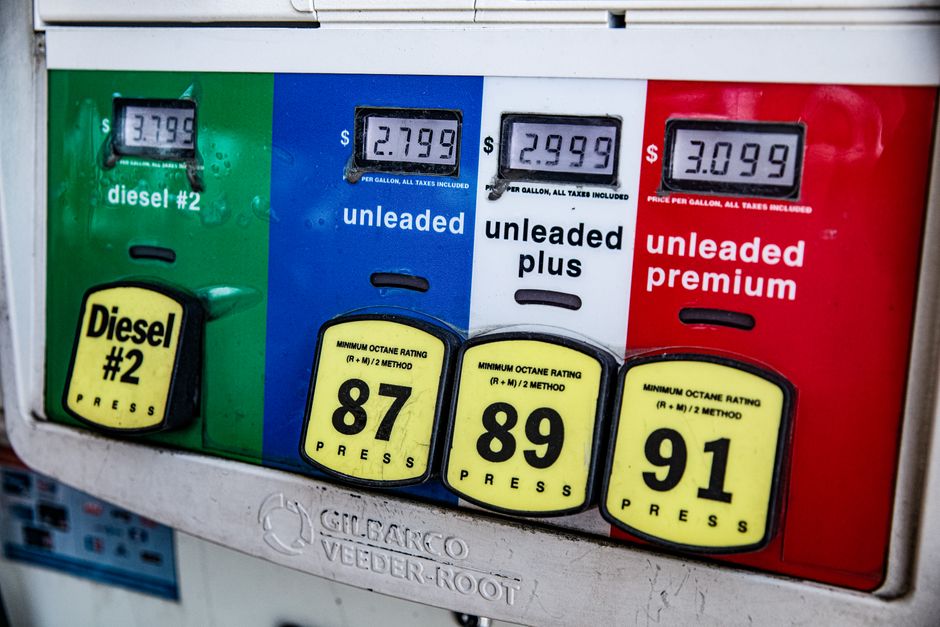
- The blockage is expected to severely disrupt global oil supply, with ripple effects likely to hit energy prices worldwide.
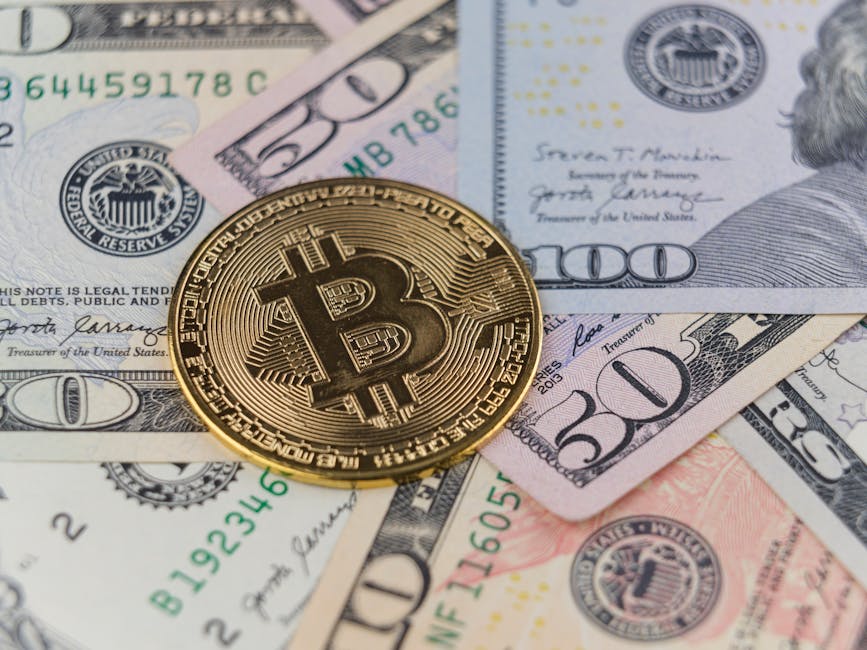
- The closure also introduces new volatility in cryptocurrency markets, as traders assess the implications for digital assets as a hedge or alternative in times of geopolitical stress.
- Industry observers at Crypto Briefing noted that the event could accelerate the mainstreaming of crypto in international trade and bring heightened regulatory scrutiny.
- The development follows a period of tense nuclear talks among Iran, Switzerland, and the US, signaling a sharp breakdown in diplomatic progress.
A Geopolitical Flashpoint Ignites
The Strait of Hormuz is no ordinary waterway. It carries roughly one-fifth of the world’s petroleum consumption, making its closure an economic event with near-instantaneous global consequences. By halting all maritime traffic, Iran has effectively weaponized geography in a manner not seen in decades.
What distinguishes this moment is the coordination factor. The closure was not a unilateral Iranian gamble. The decision, as reported, was taken "in accordance with an agreement reached with the United States and the European Union." That suggests a pre-negotiated outcome — perhaps a temporary containment measure — rather than a spontaneous escalation.
Yet the ramifications are anything but contained. Oil markets are already bracing for supply shortages, and analysts warn that prolonged closure could trigger a cascade of inflationary pressures across importing economies.
The Strait of Hormuz closure represents a deliberate, synchronized intervention in global energy flows — one that could redefine the risk calculus for both traditional commodities and emerging digital assets.
Why Crypto Markets Are on Alert
At first glance, a physical chokepoint for oil tankers might seem unrelated to digital currencies. But the connection is deeper than it appears. Cryptocurrencies have long been discussed as potential tools for bypassing traditional financial systems, especially in regions subject to sanctions or capital controls.
In this case, the closure of the Strait of Hormuz could act as a catalyst. If oil trade becomes disrupted or rerouted through alternative payment mechanisms, digital assets — particularly those with stablecoins or rapid settlement capabilities — could see increased demand.
However, the same geopolitical forces that push crypto into the spotlight also invite heightened scrutiny. Regulators are likely to watch closely for any attempt to use crypto to evade sanctions or circumvent newly imposed trade restrictions.
Crypto Briefing’s coverage highlighted that the move "could reshape global oil dynamics and accelerate crypto's role in geopolitics, prompting regulatory scrutiny." The intersection of energy security and digital finance is now front and center.
The Regulatory Pendulum
With the US party to the agreement that closed the Strait, American policymakers face a paradox. They have helped engineer a disruption that may push energy trade toward decentralized systems — the very systems they are simultaneously trying to regulate.
Expect new calls for crypto oversight to intensify. The line between economic warfare and digital innovation will be tested in the coming weeks.
A Ceasefire Unraveled
The stated justification for the closure is "ceasefire violations" by Israel. While specific details of the alleged infractions remain unclear, the accusation has been enough to justify a full maritime blockade.
This raises the stakes for all parties. Israel now finds itself at the center of a regional economic crisis. The closure could be used as leverage in negotiations, or it could deepen the conflict into new domains — including cyber and financial warfare.
The Strait chokepoint is now a bargaining chip in a larger geopolitical game, with oil and crypto markets serving as the playing board.
The Energy Fallout
Global oil markets are the first line of impact. Even a short-term closure can spike prices and disrupt supply chains. For countries heavily reliant on Gulf oil, the effects are immediate. Refineries, shipping schedules, and futures contracts are already being recalibrated.
The reopening of the Strait depends on diplomatic resolution. The agreement with the US and EU suggests that the closure may be a temporary pressure tactic rather than a permanent blockade. But the uncertainty alone is damaging.
A New Paradigm for Trade?
If the closure persists, alternative trade routes and payment mechanisms will likely emerge. Cryptocurrencies could become a parallel financial layer for energy transactions, reducing reliance on dollar-denominated clearing houses. This scenario, while speculative, is no longer far-fetched.
Looking Ahead
The Strait of Hormuz closure marks a watershed moment for global energy and digital finance. The near-term focus will be on oil prices and diplomatic backchannels. But the long-term implications may be even more profound: a world in which geopolitical leverage is exercised not just through military power, but through control of energy corridors and the financial infrastructure that moves value across borders.
For cryptocurrency investors, the message is clear: digital assets are now part of the geopolitical calculus. As the Iran-US-EU agreement holds, the rest of the world watches to see whether the Strait will reopen before the economic shockwaves become irreversible.