The reopening of the Strait of Hormuz after a US-Iran ceasefire deal is sending ripples through global energy markets, with oil prices tumbling and gas dipping below $4 for the first time in months. The shift signals a potential turning point for inflation-weary economies, but it also raises questions about lasting structural change in how the world moves oil.
What to know
- Strait of Hormuz reopened following a US-Iran ceasefire agreement, restoring a critical chokepoint for global oil shipments.
- Oil prices hit their lowest level since the start of the Iran conflict, according to reports from Reuters and Crypto Briefing.
- Gas prices have fallen below $4 as supply concerns recede, offering relief to consumers and central banks.
- The ceasefire reduces supply risks but leaves room for future disruptions if geopolitical tensions reignite.
- Alternative oil routes adopted during the closure — including shifts in logistics and supplier relationships — may permanently reshape global oil logistics and pricing.
- Inflationary pressures are expected to ease, especially in oil-dependent regions, though the effect may be tempered by lingering uncertainty.
- Future geopolitical shifts — including potential US-Iran friction or broader Middle East instability — could still unbalance supply and demand.
A Ceasefire That Reshaped Energy Markets
For nearly a year, the Strait of Hormuz — the narrow waterway between the Persian Gulf and the Gulf of Oman — was a flashpoint in the escalating US-Iran confrontation. At its peak, the closure choked off roughly 20% of the world's seaborne oil trade, sending prices soaring and fueling inflationary spirals across developed and developing economies alike.
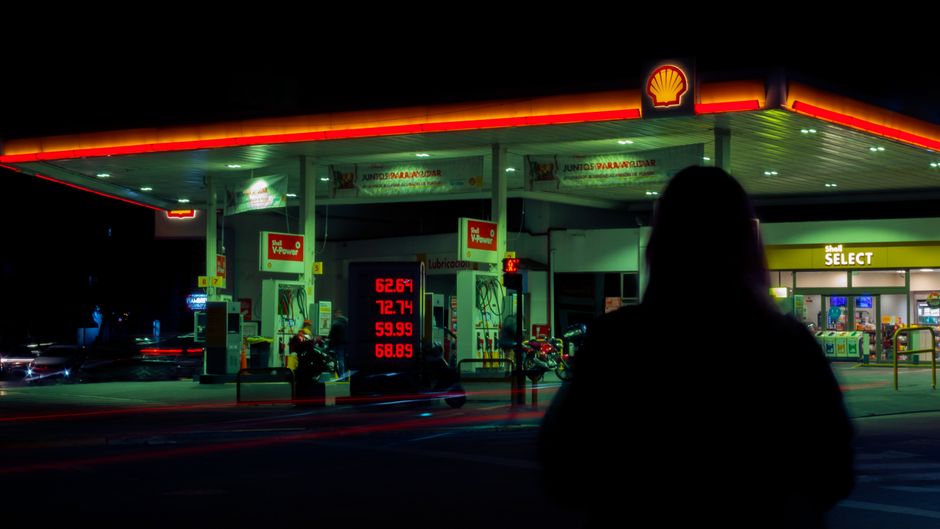
Then came the ceasefire. On June 18, 2026, reports confirmed that the Strait had reopened as part of a broader US-Iran deal. The immediate effect? Oil prices plunged to their lowest levels since the conflict began. Gas stations across the United States reflected the shift: the national average dropped below $4 per gallon for the first time in months, a milestone that resonated well beyond the pump.
The deal's impact was not limited to prices. By removing a massive supply risk from the table, the ceasefire has allowed global energy markets to recalibrate. Traders who had been pricing in a risk premium for the Strait — often adding $5 to $10 per barrel — are now unwinding those positions. The result is a more stable, though still cautious, market environment.
“The reopening may stabilize global energy markets, potentially easing inflationary pressures and influencing geopolitical dynamics in oil-dependent regions.” – Crypto Briefing
Gas Below $4: A Consumer Win
For American drivers, the drop in gas prices is the most tangible benefit of the reopening. After months of hovering above $4, the national average has finally slipped below that psychological threshold. That matters not just for household budgets but for the broader economic outlook.
Lower gasoline prices act like a tax cut: they put money back into consumers' pockets, boost discretionary spending, and reduce the cost of transportation for goods. For central bankers fighting stubborn inflation, this is a welcome tailwind. The US Federal Reserve, which has kept interest rates elevated to cool price pressures, may now have more room to pivot toward looser policy.
But the relief is not guaranteed to last. The ceasefire is fragile, and any renewed tensions between Iran and the US could quickly reverse the gains. Analysts at Goldman Sachs have noted that while oil flow could recover to pre-war levels, the structural changes in logistics and supplier networks may persist, creating a new baseline for pricing.
Alternative Routes and Permanent Shifts
During the Strait of Hormuz closure, many oil-importing nations were forced to find alternative supply routes. Some turned to longer, costlier shipping lanes around the Cape of Good Hope. Others diversified their sources, signing long-term contracts with producers in the Americas, Africa, and the North Sea.
These adjustments were meant to be temporary, but they may prove sticky. According to Crypto Briefing, “the shift to alternative oil routes may permanently alter global oil logistics and pricing, reflecting a structural change in the market.” In other words, even with the Strait open again, some buyers and sellers may choose to maintain their new relationships rather than revert to the old, more concentrated supply chains.
This has profound implications for the Strait of Hormuz itself. As a chokepoint, it was once considered irreplaceable. If a significant portion of global oil traffic bypasses it permanently, the waterway's strategic importance — and the risk premium attached to it — could diminish. That would be a long-term bearish signal for oil prices, all else equal.
However, the shift also introduces new vulnerabilities. Alternative routes often involve longer transit times, higher fuel costs, and greater exposure to piracy or other regional disruptions. The net effect on global energy security is still uncertain.
Geopolitical Ripple Effects
The US-Iran ceasefire is not just about oil. It is a geopolitical reset that touches multiple hotspots. Iran, which faced crippling sanctions and military pressure, gains economic breathing room. The US, for its part, can redirect diplomatic and military resources elsewhere — perhaps toward the Indo-Pacific or the Russia-Ukraine theater.
Oil-dependent regions like Europe and Asia stand to benefit most. Europe, which endured a severe energy crisis following the war in Ukraine, now sees a second major supply risk fade. Asian importers like Japan, South Korea, and India — heavily reliant on Middle Eastern crude — can breathe easier.
Nonetheless, the ceasefire's impact on oil prices is only one piece of the puzzle. The deal may also influence broader US-Iran relations, including nuclear negotiations, proxy conflicts in Yemen and Syria, and the regional balance of power with Saudi Arabia and Israel. These dynamics could create new flashpoints even as one conflict resolves.
What This Means for Inflation and Monetary Policy
The reopening of the Strait of Hormuz arrives at a delicate moment for global central banks. Inflation, while down from its 2022 peaks, remains above target in many economies. Energy costs have been a key driver of core inflation.
Lower oil prices feed directly into lower headline inflation, which in turn gives central bankers more flexibility. Markets are already pricing in a faster pace of rate cuts from the Fed and the European Central Bank. If oil stays low, the economic soft landing scenario — where inflation cools without triggering a recession — becomes more plausible.
But central bankers are wary of declaring victory. The ceasefire could unravel, and the structural shift toward alternative oil routes may keep logistics costs elevated for longer. Moreover, if lower oil prices spur stronger demand, it could reignite inflationary pressure elsewhere.
“The ceasefire's impact on oil prices may stabilize global markets, but future geopolitical shifts could still disrupt supply and demand dynamics.” – Crypto Briefing
The Risks That Remain
For all the optimism, the situation remains fluid. The ceasefire is a diplomatic achievement, but it does not eliminate the underlying tensions. Iran and the US share a history of mistrust, and hardliners on both sides could scuttle the deal. Any new incident — a drone strike, a cyberattack, a naval provocation — could snap the Strait shut again overnight.
Additionally, the global energy transition adds a layer of complexity. As renewable energy adoption accelerates, long-term oil demand is uncertain. A temporary ceasefire-driven price drop could discourage investment in new supply, creating a future supply crunch when demand rebounds unexpectedly.
Investors and policymakers must therefore tread carefully. The reopening is a positive development, but it does not erase the risks that have built up over years of conflict and market disruption.
Looking Ahead
The Strait of Hormuz reopening marks a genuine inflection point for global energy markets and the broader economy. Oil prices are lower, gas is below $4, and inflation is easing. For now, consumers and businesses can expect a period of relative stability.
Yet the lesson of the past few years is that stability is fragile. The shift toward alternative oil routes, the potential for new geopolitical flashpoints, and the ongoing energy transition mean that the old normal may not return. Markets and governments should use this window of calm to build resilience — diversifying supply chains, investing in energy efficiency, and preparing for the next disruption.
In the meantime, the headline numbers are clear: prices are down, risks are lower, and the global economy has dodged a bullet. But in the oil markets, uncertainty is never truly gone. It is only deferred.