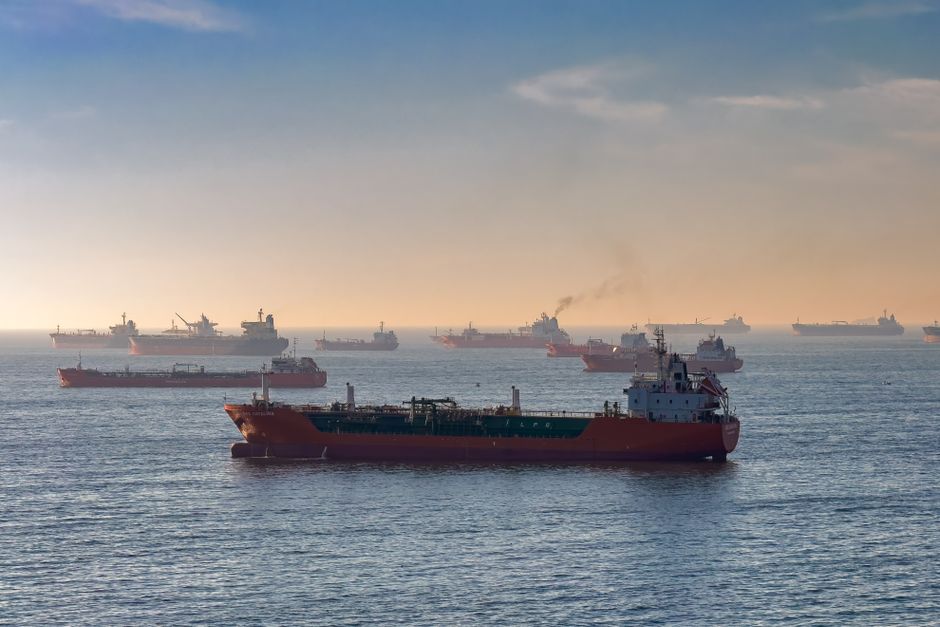
On July 21, 2026, a tanker was attacked in the Strait of Hormuz, marking a sharp escalation in the ongoing US-Iran military confrontation. Hours earlier, Iran targeted a US Patriot air defense system in Bahrain, while American forces completed their tenth consecutive night of airstrikes against Iran.
What to know
- A tanker was attacked in the Strait of Hormuz amid escalating US-Iran military tensions.
- Iran targeted a US Patriot air defense system stationed in Bahrain.
- The US military completed its 10th night of airstrikes on Iran after identifying soldiers killed in an earlier attack.
- Prediction markets give 55% probability of military action against Gulf states on July 22.
- The odds of full airspace closure by August 31 stand at 49%.
- Only 14% chance of normal traffic through the Strait of Hormuz by August 30, falling to 12% by September 1 and 10% by September 2.
- These numbers reflect escalating market expectations for sustained conflict.
The Strait of Hormuz: A Strategic Chokepoint Under Siege
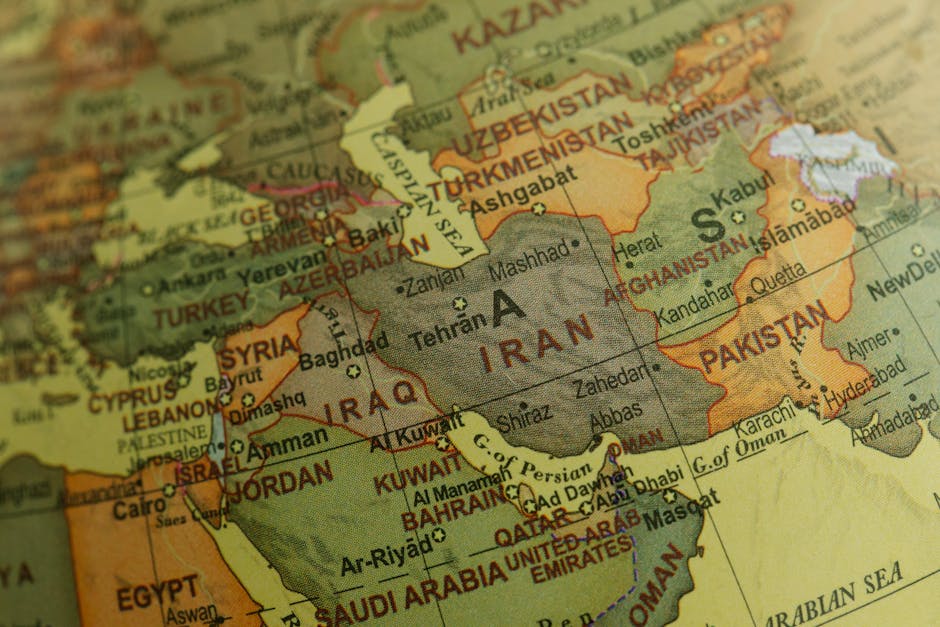
The attack on a tanker in the Strait of Hormuz is a stark reminder of the vulnerability of global shipping lanes in times of conflict. The strait, a narrow passage between Iran and the Arabian Peninsula, is a lifeline for global energy supplies. Although no data on volume is provided in the Trend, the fact that prediction markets are pricing in a prolonged disruption indicates the seriousness of the situation.
A burning tanker in one of the world’s most critical maritime chokepoints sends a clear signal: no vessel is safe.
The attack is not an isolated incident. It is the latest in a chain of military actions that have turned the Strait of Hormuz into a flashpoint. The narrow waterway is now a theater of direct confrontation between the United States and Iran.
Iran’s Calculated Strike on Bahrain
Iran’s decision to target a US Patriot air defense system in Bahrain is a deliberate escalation. Bahrain hosts the headquarters of the US Navy’s Fifth Fleet, making it a critical node in American military posture in the Gulf. By striking there, Iran is not just attacking a defensive system but sending a message that US assets in the region are within range.
This attack broadens the geographic scope of the conflict beyond the Strait of Hormuz.
While the extent of damage remains unclear, the symbolic and operational implications are profound. The US now faces a two-front challenge: securing the strait and protecting its bases in the Gulf.
The US Response: Ten Nights of Retaliation
The US military has completed its tenth night of airstrikes on Iran. This sustained operation follows the identification of American soldiers killed in an earlier Iranian attack. The pace and intensity suggest a strategy of attrition rather than a single punitive strike. It also indicates that the US is willing to maintain a high operational tempo.
The US has publicly identified those killed, adding a domestic political dimension to the conflict. Each name released increases pressure on the administration to continue the campaign and raises the stakes for any diplomatic resolution.
The Human Toll
While specific casualty numbers are not provided in the available reports, the US has acknowledged soldiers killed in the initial attack that triggered the retaliatory airstrikes. The identification of those service members has been made public, underscoring the human cost of the escalating conflict.
What Prediction Markets Reveal
Prediction markets offer a real-time gauge of how the conflict is expected to unfold. The current odds are sobering:
55% chance of military action against Gulf states on July 22 49% chance of full airspace closure by August 31 14% chance of normal traffic through the Strait of Hormuz by August 30 12% by September 1 10% by September 2
These numbers suggest that market participants expect the conflict to intensify and persist. The low probability of a quick return to normalcy implies that even if a ceasefire is reached, restoring normal operations will take time.
Implications for the Gulf States
The 55% odds of military action against Gulf states on July 22 are particularly alarming. The Gulf countries, including Bahrain, Saudi Arabia, Qatar, UAE, and Oman, are directly in the line of fire. Even if they are not directly attacked, the closure of airspace and shipping lanes would severely impact their economies and security.
Bahrain, as the location of the targeted Patriot system, is already drawn into the conflict. Other Gulf states may be forced to take sides or risk being caught in the crossfire.
Risk Mitigation and What Comes Next
For shipping and aviation, the key question is when and how to reroute. With airspace closure a near-50% event, airlines and cargo carriers may already be planning alternate routes. Maritime traffic through the Strait of Hormuz faces immediate danger following the tanker attack. Insurers may soon declare the area a war risk zone, driving up premiums or leading to refusal of coverage.
The risk of a wider regional war is no longer theoretical.
The next 24 to 48 hours are critical. If the July 22 deadline for military action against Gulf states passes without incident, markets may reassess. But the underlying tensions remain. The US and Iran appear locked in a cycle of retaliation.
Looking Ahead
The Strait of Hormuz remains the epicenter of a confrontation that has moved from rhetoric to open fire. With a tanker burning, a Patriot system under attack, and sustained airstrikes, the region is on a knife’s edge. Prediction markets see little chance of a quick return to normalcy. The world is watching, and the stakes could not be higher.