Ukraine’s emergency appeal to the United Nations comes hours after a Russian missile barrage struck the capital, while NATO’s endorsement of strikes on Russian infrastructure signals a significant shift in alliance posture. The combination raises the stakes for diplomacy and military escalation alike.
What to know
- Ukraine has formally requested an emergency meeting of the UN Security Council following a Russian missile attack on Kyiv. The strike represents one of the most serious attacks on the capital in months.
- NATO has announced its support for Ukraine’s intensified strikes on Russian infrastructure, including energy facilities and military logistics hubs. Analysts say this could prolong the conflict rather than shorten it.
- Ukraine struck a Russian oil tanker and the Kerch terminal in Crimea, targeting supply chains that support Russian military operations. The attack is expected to weaken Russian logistics and morale in the region.
- The escalation comes just days before a pivotal NATO summit, where alliance members are expected to debate further military aid and long-term security guarantees for Ukraine.
- Rising tensions between Russia and the UN are undermining ceasefire negotiations that were gaining traction in recent weeks. Diplomats express growing pessimism about a diplomatic resolution.
- Ukraine’s operations have also exposed vulnerabilities in crypto payment networks used for sanctions evasion and military logistics, prompting calls for tighter regulatory oversight of digital assets and stablecoin issuers.
- NATO-Russia confrontation in the Arctic has also intensified, with a Russian aircraft approaching a US carrier group being intercepted by F-35 jets earlier this week. That incident adds a new front to the broader geopolitical friction.
The Escalation in Kyiv and the Diplomatic Response
On the morning of July 6, Russian missiles struck multiple targets in Kyiv, the first major bombardment of the capital in several weeks. The attack shattered a period of relative calm and triggered an immediate diplomatic response from Ukraine. President Volodymyr Zelenskyy’s government requested an emergency session of the UN Security Council, arguing that Russia’s actions amounted to a deliberate violation of international norms and a direct threat to any future peace process.
“The strike on Kyiv was not a military necessity. It was a political message sent in blood.” — a senior Ukrainian diplomat told reporters during a briefing.
The UN has not yet confirmed the timing of the emergency meeting, but diplomatic sources indicate it could be convened within 48 hours. The session is expected to feature sharp condemnations of Russia by Western member states, while Russia is likely to veto any substantive resolution. The outcome, regardless, will further polarize the international body and may push Russia closer to a diplomatic isolation that some analysts argue could provoke even more aggressive military behavior.
For Ukraine, the UN appeal serves a dual purpose: it applies political pressure on Russia in a global forum, and it forces NATO allies to reaffirm their support publicly ahead of the summit. The timing is deliberate.
NATO’s Shift: Endorsing Infrastructure Strikes
Perhaps the most consequential development of the day came not from the battlefield, but from NATO headquarters. The alliance issued a statement expressing support for Ukraine’s intensified strikes on Russian infrastructure — a policy that until recently was considered too escalatory by several member states.
NATO’s endorsement marks a significant strategic departure. Previously, the alliance had focused on defensive weapons and training, with implicit restrictions on striking deep inside Russian territory. The new posture legitimizes attacks on Russian oil depots, logistics hubs, and transport networks — targets that Ukraine had already begun hitting with increasing frequency.
The official rationale: degrading Russia’s ability to sustain offensive operations will eventually force Moscow to the negotiating table. Critics, however, warn that this approach risks drawing NATO into a direct confrontation with Russia, especially if the strikes inadvertently hit personnel or assets that Russia considers red-line targets.
“Supporting strikes on infrastructure is not the same as providing long-range missiles, but it blurs the line between defensive and offensive aid. The risk of miscalculation is real.” — a former NATO official quoted by analysts.
The NATO summit later this month is now expected to be dominated by debates over how far to go. Some Eastern European allies are pushing for even more robust support, while Germany and France remain cautious about crossing thresholds that could trigger a wider war.
Crimea Under Fire: The Kerch Terminal and Oil Tanker Strike
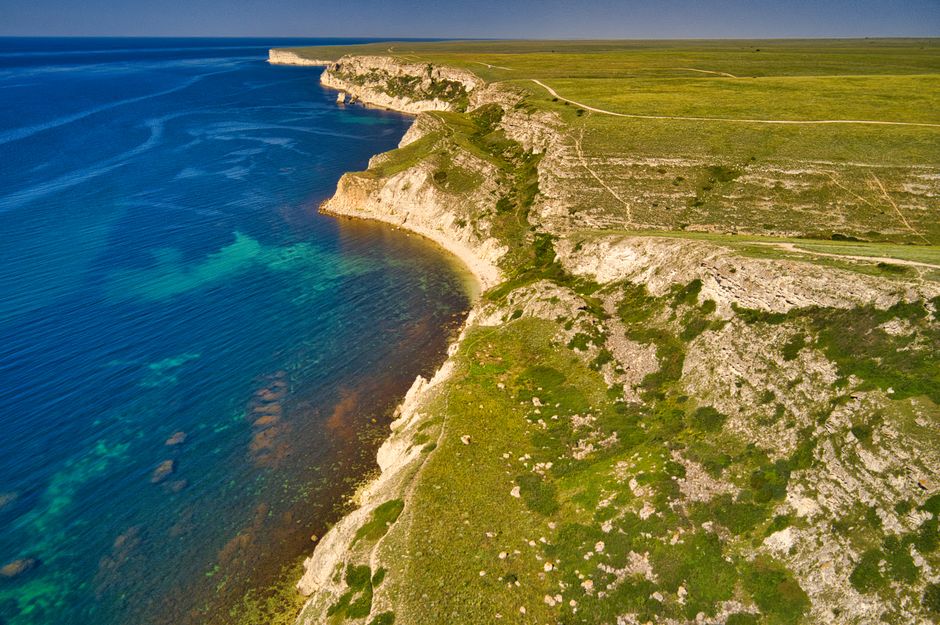
While diplomatic gears turned, Ukraine continued its campaign to disrupt Russian supply lines. On July 6, Ukrainian forces struck a Russian oil tanker and the Kerch terminal in occupied Crimea. The Kerch terminal is a critical node for transferring fuel and supplies from mainland Russia to Russian troops in southern Ukraine.
Military analysts assess that the strike will temporarily impair Russian logistics, forcing commanders to rely on longer, more vulnerable supply routes. The psychological impact on Russian morale is also significant: operations in Crimea, once considered a safe rear area, are now directly threatened.
Ukraine has used a mix of drones and long-range precision munitions in these strikes. The Kerch terminal attack caused a large fire visible from satellite imagery, though the full extent of damage remains unclear. Russia has not officially commented on the strike, but pro-war bloggers acknowledged the loss.
The Ceasefire Hopes That Are Fading
Just weeks ago, there were cautious whispers of a possible ceasefire. Mediators from Turkey and Saudi Arabia had been shuttling between Kyiv and Moscow, and both sides had signaled willingness to discuss limited truces around energy infrastructure and Black Sea shipping lanes.
Today, those hopes are all but extinguished. The Russian missile attack on Kyiv and Ukraine’s UN appeal have created an atmosphere of mutual recrimination. Diplomats say the window for a diplomatic breakthrough is rapidly closing.
“Every strike makes the next ceasefire harder to sell to domestic audiences. Both sides are now locked into a cycle of escalation that only a major external shock can break.” — a European diplomat with knowledge of the talks.
Ripple Effects: Markets, Energy, and Crypto
The escalating conflict is reverberating well beyond the battlefield. European energy markets saw a spike in natural gas prices following the strike on the Kerch terminal, as traders priced in risks to transit routes through Crimea and the Black Sea.
Global defense stocks also rallied, with investors betting on increased military spending by NATO members. Conversely, emerging market currencies and risk assets faced headwinds as the geopolitical risk premium rose.
Perhaps unexpectedly, the conflict is also drawing attention to crypto networks. Ukraine’s operations have highlighted vulnerabilities in crypto payment systems used by Russian entities to bypass sanctions. According to the reports cited in the timeline, these developments are prompting increased regulatory scrutiny on digital assets and stablecoin issuers.
While the direct link between Ukraine’s strikes and crypto regulation is indirect, the narrative that illicit finance flows through decentralized networks is gaining traction among policymakers in Washington and Brussels. This could accelerate the introduction of new “travel rule” requirements and stricter know-your-customer mandates for crypto platforms.
Arctic Tensions: Another Front Opens
Meanwhile, far north of Ukraine, a separate incident involving a Russian aircraft approaching a US carrier group adds yet another dimension to the NATO-Russia standoff. The aircraft was intercepted by F-35 jets before it entered the carrier’s defensive zone. The episode signals that Russia is probing NATO’s defenses across multiple theaters, raising the risk of an unintended confrontation.
Arctic analysts note that the region is increasingly militarized, with both sides conducting patrols and exercises near each other’s borders. While the Arctic is unlikely to become a major combat zone, incidents like this erode trust and contribute to an overall climate of strategic instability.
What to Watch Next
Several key events in the coming days will shape the trajectory of the conflict:
- The UN emergency meeting: Will it produce a unified condemnation of Russia, or devolve into a propaganda battle? The vote will test the cohesion of the Western coalition.
- The NATO summit: Allies are expected to announce new aid packages and possibly a framework for long-term security guarantees for Ukraine. The debate over infrastructure strike support will be a central flashpoint.
- Ukrainian operations in Crimea: If Ukraine can sustain pressure on the Kerch bridge and other logistics nodes, it could force Russia to redeploy forces, potentially creating vulnerabilities elsewhere.
- Ceasefire talks: With both sides hardening positions, the possibility of even a limited truce appears remote. However, backchannel negotiations with Chinese and Turkish mediators may continue.
- Crypto regulation: Watch for policy statements from the UN Financial Action Task Force and the European Commission in the coming weeks. Ukraine’s war is giving regulators new arguments for tighter controls.
Looking Ahead
The dual dynamics of Ukraine’s UN appeal and NATO’s military support are pushing the conflict into uncharted territory. On one hand, the alliance’s endorsement of infrastructure strikes could shorten the war by crippling Russia’s ability to fight. On the other, it risks a dangerous escalation that pulls NATO closer to direct involvement.
Diplomacy is not dead yet, but it is gasping for breath. The next 48 hours — between the UN session and the opening of the NATO summit — will determine whether the world moves toward a broader confrontation or a last-minute de-escalation. Markets, regulators, and citizens alike are bracing for both outcomes.