Tensions in the Persian Gulf are escalating once again, with the US Air Force ramping up operations while Iran lays out a costly set of conditions for keeping the Strait of Hormuz open. The outcome could reshape global oil flows and regional alliances for years.
What to know
- The US Air Force has increased its operational tempo over the Persian Gulf, signaling a heightened military posture amid ongoing negotiations.
- Iran has publicly demanded that any reopening of the Strait of Hormuz be tied to the release of $12 billion in frozen assets, the granting of oil export waivers, and a complete Israeli withdrawal from regional affairs.
- The US Navy has boosted ship traffic through the Strait of Hormuz in an effort to maintain trade routes and reassure allies, even as a fragile ceasefire between Washington and Tehran remains in place.
- Global oil markets are closely watching the situation. Any prolonged closure of the Strait — through which about 20% of the world's petroleum passes — could send crude prices soaring and disrupt supply chains worldwide.
- Israel features prominently in Iran's demands, adding a complex diplomatic layer to a conflict already involving multiple state and non-state actors.
- The timeline of events suggests a rapid escalation: from a reported Iranian threat to close the waterway, to US naval reinforcement, to the latest airstrikes and counter-demands.
- The crisis underscores the persistent instability in the Persian Gulf, where military posturing and economic leverage intertwine with little room for miscalculation.
The New Flashpoint: Strait of Hormuz
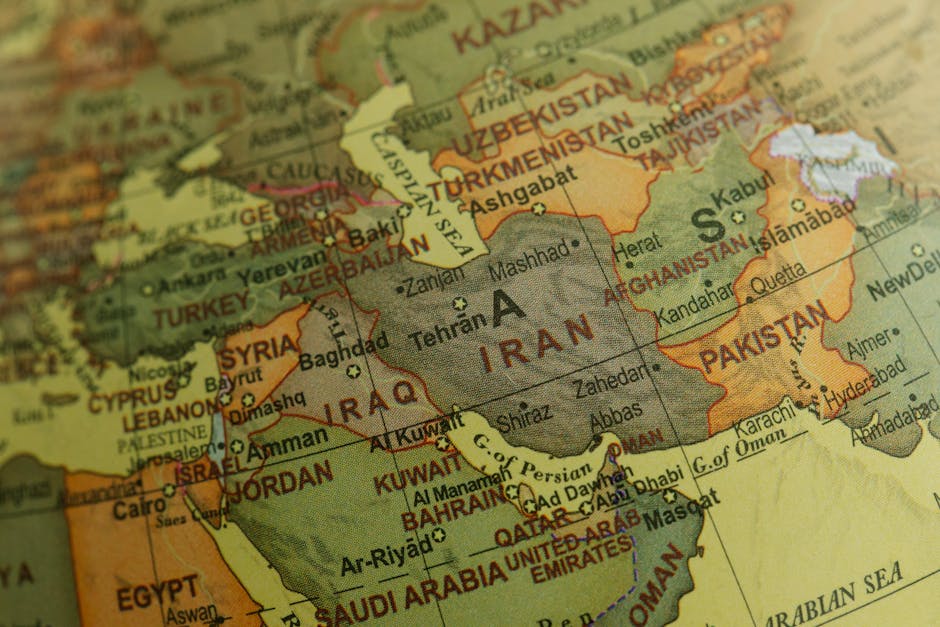
The Strait of Hormuz, a narrow 33-kilometer passage connecting the Persian Gulf to the Gulf of Oman, has long been the world's most strategically vital oil chokepoint. For decades, any hint of instability in the region triggers immediate price swings in crude markets and urgent diplomatic scrambles.
The latest round of confrontation began when Iran signaled its intention to close the Strait, a move that sent shockwaves through global energy corridors. In response, the US Navy — backed by allies — quickly increased its presence in the waterway. According to reports from Crypto Briefing, the US force boost came amid what was described as a fragile ceasefire, hinting at the tenuous nature of any existing truce.
The Strait of Hormuz carries roughly one-fifth of the world's oil supply. A prolonged closure would represent the single biggest disruption to global energy trade since the Gulf War.
Within days, the US Air Force escalated further, intensifying combat air patrols and surveillance missions over the Persian Gulf. While the Pentagon has not formally commented on the scale of the deployment, the shift in posture is unmistakable: Washington is preparing for a scenario that could require force protection and escalation dominance.
Iran's Conditional Demand: $12 Billion and Beyond
Tehran has not just flexed its muscles; it has also put a price on reopening the waterway. Iranian officials linked any resumption of normal traffic through the Strait to three concrete conditions:
- The unfreezing of $12 billion in Iranian assets held in foreign banks.
- The granting of oil export waivers that would allow Iran to sell crude without facing US secondary sanctions.
- A full withdrawal of Israeli military and political involvement from the Persian Gulf region.
These demands are non-starters for Washington and its allies, especially the call for an Israeli exit. The linkage of Strait access to broad geopolitical concessions represents a significant escalation in Iranian bargaining tactics. Analysts view the $12 billion figure as both a negotiating floor and a propaganda tool aimed at domestic audiences.
Iran's strategy appears to be twin-track: military pressure through the threat of closure, and economic leverage by attaching a high price tag to stability. The two tracks reinforce each other, making a purely military solution unlikely.
The timeline of events suggests that Iran's demands came shortly after the US naval reinforcement, indicating that Tehran views the Strait not just as a military asset but as a diplomatic chip in wider negotiations over sanctions, nuclear programs, and regional influence.
US Military Response: Escalation or Stabilization?
The US response has been calibrated. Rather than launching a full-scale naval blockade or airstrikes, Washington has chosen to “normalize” military presence in the Strait — increasing ship and aircraft traffic to reinforce the message that the waterway will remain open under international law.
This approach has two intended effects:
- Deterrence — showing that any Iranian attempt to close the Strait will be met with overwhelming force.
- Reassurance — signaling to oil markets and allied nations that the US is committed to keeping trade routes free.
Yet the very act of boosting military assets can itself escalate tensions. Iran has historically viewed such shows of force as provocations. The fragile ceasefire — reported in the same Crypto Briefing articles — suggests that a level of de-escalation had been reached before this latest friction. The deployment may therefore represent a hedging move: prepare for the worst while hoping for the best.
The key question remains unanswered: Does the US military presence de-escalate by deterrence, or escalate by ratcheting the perception of threat?
Global Oil Markets on Edge
For energy traders, the Strait of Hormuz is a known variable — but one that is rarely this close to a full breakdown. Main scenario models now factor in the possibility of a complete closure, even if short-lived.
Oil prices have already reacted. While exact numbers are not available in the current data, the trend clearly indicates heightened volatility. Any disruption at Hormuz does not just affect crude; it impacts LNG (liquefied natural gas) shipments, refined products, and the insurance costs for tankers transiting the region.
Countries most exposed include:
- Japan, South Korea, and India — major importers of Middle Eastern crude.
- European nations already struggling with energy security after the Russia-Ukraine war.
- China — which relies on the Strait for a significant portion of its oil imports.
The US, as a net oil exporter, is less directly vulnerable but still suffers from global price spikes that feed inflation and economic uncertainty.
Geopolitical Ripple Effects: Israel in the Balance
Iran's demand for an Israeli withdrawal from the region is particularly inflammatory. Israel has deepened its military and intelligence ties with Gulf Arab states in recent years, partly due to shared concerns over Iran. Any suggestion that Tehran could dictate Israel's presence is a direct challenge to that growing alignment.
The inclusion of Israel in the Strait reopening terms also complicates the already fragile ceasefire. It turns a bilateral US-Iran issue into a multilateral confrontation involving one of the region's most potent military powers.
By tying the Strait to the Israeli question, Iran is attempting to fracture the US-Israel-Gulf axis that has formed around the Abraham Accords and anti-Iran security cooperation.
If the US succumbs to pressure and distanced Israel, it would undermine years of diplomatic gains. If it refuses, Iran gains a propaganda victory portraying itself as the defender of Muslim interests against an “outside” power.
Looking Ahead
The next weeks will be critical. The US must decide whether to negotiate on Iran's terms, attempt to force the Strait open militarily, or pursue a third path involving multilateral diplomacy and economic incentives.
The open questions from this trend are stark:
- How do different regional and global sources frame the confrontation?
- What does this development mean for US credibility as a guarantor of global trade freedom?
- How will the US respond to Iran's package of demands — with force, negotiation, or a combination?
One thing is clear: the Strait of Hormuz is once again the fulcrum of world energy security. The US-Iran standoff, far from being resolved by the fragile ceasefire, has simply moved to a new and more dangerous stage. Markets, governments, and military planners will be watching every move.
This article is based on reports compiled from Crypto Briefing and additional geopolitical analysis.