A diplomatic breakthrough may be unfolding in Switzerland, where U.S. and Iranian delegations are holding their first face-to-face talks in over a decade. The presence of senior American envoys signals a serious push toward a negotiated resolution.
What to know
- High-level U.S. envoys Steve Witkoff and Jared Kushner have arrived in Switzerland for talks with Iran.
- The meeting could be the first direct U.S.-Iran dialogue since the early 2010s.
- Discussions are centered on sanctions relief and limits on uranium stockpiles.
- The talks were briefly postponed but are now expected to resume as early as Sunday.
- An Iranian delegation is also traveling to Switzerland to pursue an interim agreement.
- Analysts see the engagement as a shift toward peaceful resolution and reduced military tensions.
- The talks take place at the Bürgenstock venue, a site with a history of diplomatic mediation.
- Outcomes could influence global markets, including cryptocurrency sentiment due to potential sanctions adjustments.
A Decade of Disconnect
The last time U.S. and Iranian officials sat at the same table for substantive negotiations was before the 2015 Joint Comprehensive Plan of Action (JCPOA) was finalized. Since the U.S. withdrew from that deal in 2018 under the Trump administration, relations have been defined by escalating sanctions, proxy conflicts, and shadow warfare. Now, in 2026, the return to direct talks in Switzerland represents a dramatic reversal — one that few analysts predicted.
Both sides arrive with deeply entrenched positions. Iran wants sweeping sanctions relief to revive its struggling economy. The United States seeks verifiable caps on Iran’s uranium enrichment and a halt to its ballistic missile program. The gap remains wide, but the fact that negotiators are in the same room is itself notable.
The Envoys in the Room
The inclusion of Steve Witkoff and Jared Kushner in the American delegation underscores the Trump administration’s personal investment in this channel. Kushner, a former senior White House advisor with deep ties to Middle Eastern stakeholders, was instrumental in the Abraham Accords. His presence suggests the U.S. may be exploring a broader regional framework rather than a narrow nuclear fix.
Witkoff, a real estate investor turned diplomat, has been tasked with shuttle diplomacy in conflict zones before. Their arrival in Switzerland has injected a mix of hope and skepticism among diplomats monitoring the talks.
“The fact that both countries are sending such high-level representatives indicates a serious appetite for a deal, even if the road remains rocky.” — Political risk analyst quoted by a major news outlet.
What’s on the Table
Two primary pillars dominate the agenda:
Sanctions Relief
Iran’s economy is under immense pressure from U.S. sanctions on oil exports, banking, and shipping. Tehran is demanding a meaningful reduction in these restrictions as a precondition for any nuclear rollback. The U.S. team is likely offering phased relief in exchange for verified compliance.
Uranium Stockpile Limits
Iran’s enriched uranium stockpile now far exceeds JCPOA caps, and its enrichment levels approach weapons-grade. A core U.S. objective is to reverse this progress. Negotiators may agree on a temporary freeze or a ratcheting mechanism linked to sanctions easing.
The Swiss Setting
The talks are being held in Bürgenstock, a secluded resort overlooking Lake Lucerne. Switzerland has a long history of hosting sensitive negotiations, often serving as a neutral ground for adversaries. The venue’s privacy allows both sides to negotiate without the glare of domestic politics — at least for now.
Geopolitical Ripple Effects
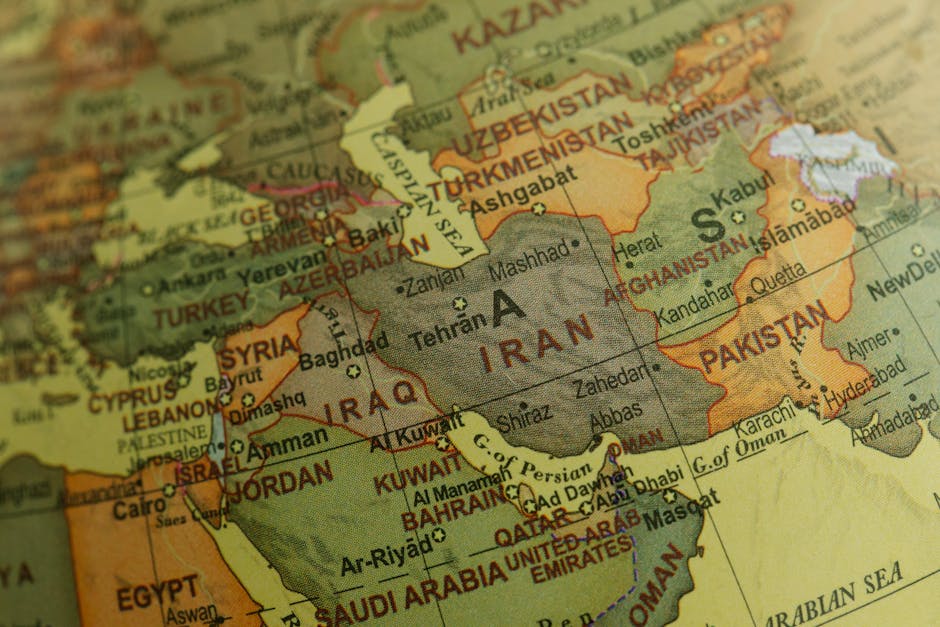
A successful agreement would do more than curb nuclear risks. It could reshape alliances in the Middle East. Israel and Saudi Arabia are watching closely, wary of any deal that legitimizes Iran’s regional influence. The U.S. is balancing these concerns against the desire to reduce military tensions in the Persian Gulf.
Moreover, the talks have already sent signals to global markets. Oil prices have softened on expectations of Iranian supply returning, while cryptocurrency markets — often sensitive to geopolitical shifts — have seen renewed interest as investors price in reduced conflict risk.
Why This Time Is Different
Previous attempts at diplomacy fizzled over mistrust and hardline opposition on both sides. What has changed? Several factors:
- Economic pressure: Iran’s inflation is soaring, and domestic protests have grown. The regime needs a win.
- U.S. electoral calendar: 2026 is a midterm year in the U.S. A foreign policy achievement could boost incumbents.
- Regional stability cost: The war in Ukraine and tensions in the Taiwan Strait have stretched U.S. military resources. A detente with Iran would free up capacity.
- Crypto sanctions nuance: The discussions come as the U.S. Treasury is re-evaluating digital asset sanctions, with Iran’s potential use of cryptocurrency for sanctions evasion being a point of contention.
Looking Ahead
The coming days will determine whether this moment is a genuine breakthrough or another false start. If the talks produce an interim agreement, expect a phased implementation with rigorous verification. Failure could lead to a rapid escalation: more sanctions, potential military confrontations, and another lost decade of diplomacy.
For now, the world is watching the shores of Lake Lucerne. A door that has been bolted for over a decade has cracked open. Whether it swings wide or slams shut depends on the patience and resolve of the negotiators in Switzerland.