The United States has closed a 23-year chapter in Iraq, shifting its military and diplomatic focus squarely onto Iran amid an escalating cycle of strikes and threats.
What to know
- The US completed its troop withdrawal from Iraq, ending a continuous military presence that began in 2003.
- Both US and Iran have exchanged heavy strikes for five consecutive days, with no sign of de-escalation.
- President Trump claimed that Iran is seeking a diplomatic deal, though negotiations remain stalled.
- Iran has prioritized military spending over welfare programs, risking domestic unrest and complicating future talks.
- Ongoing conflict threatens regional stability, disrupts energy supplies, and pressures global markets.
- Market confidence is weakening as the prospect of a US-Iran agreement remains uncertain.
The End of an Era in Iraq
For more than two decades, Iraq served as the central stage of America’s post-9/11 military footprint in the Middle East. The withdrawal marks a historic inflection point — the conclusion of a presence that began with the 2003 invasion and evolved through counterinsurgency, the rise of ISIS, and a gradual drawdown.
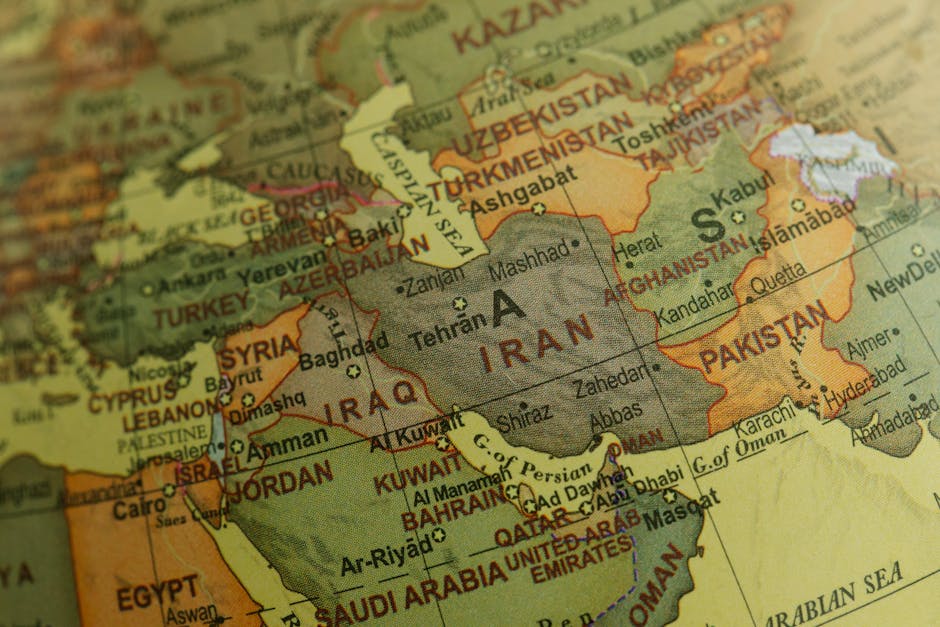
The decision to leave Iraq is not merely a logistical adjustment. It signals a deliberate recalibration of U.S. military posture. Resources and attention are being redirected toward Iran, which has emerged as both a direct adversary and a potential negotiating partner, depending on the day and the headline.
The end of the Iraq mission removes a major source of friction between Baghdad and Washington, but it also removes a buffer that once contained Iranian influence in the region.
For Iraq itself, the departure raises immediate questions about sovereignty, internal security, and the balance of power between rival factions. Iranian-backed militias remain active, and the vacuum left by American forces could accelerate Tehran’s influence unless Baghdad asserts its own authority.
A Pivot Toward Tehran
The strategic shift is unmistakable. Trump has simultaneously threatened intensified strikes and claimed that Iran is ready to negotiate. This dual-track approach keeps both military and diplomatic options open.
On the ground, the strikes are not symbolic — they represent a significant escalation. Exchanges have continued for five straight days, targeting military infrastructure and personnel. The White House has warned of further “intensified” action if peace talks falter, while Iran has signaled its readiness to retaliate.
Yet amid the fire, the rhetoric of a potential deal persists. Trump’s assertion that Iran “seeks a deal” suggests backchannel communications, though no framework has been publicly acknowledged. The contradiction between the battlefield and the bargaining table defines the current policy landscape.
On the Ground: Strikes and Signals
Each new round of strikes deepens the cycle of retaliation. Crypto Briefing has reported that the conflict has reached its fifth day of heavy exchanges, with both sides deploying airstrikes and missile attacks. The intensity raises the risk of a broader regional war that could draw in proxies across Lebanon, Syria, and Yemen.
Iran’s economic choices compound the tension. By prioritizing military expenditure over welfare programs, Tehran risks alienating its population at a time of severe economic strain. This move may fuel domestic unrest, which historically has either accelerated diplomatic breakthroughs or derailed them entirely.
The suspension of welfare payments to prioritize military spending is a clear signal: Tehran is preparing for a long confrontation, not a quick compromise.
Meanwhile, the US has demonstrated a willingness to escalate. Trump’s threat to target power plants — a critical infrastructure move — suggests that economic warfare is on the table alongside kinetic strikes. Any attack on energy infrastructure would have immediate global ripple effects.
The Economic Ripple Effect
The geopolitical turbulence is already affecting market confidence. Investors are pricing in uncertainty around energy supplies, as the Persian Gulf remains a chokepoint for global oil shipments. A disruption or blockade could send crude prices sharply higher, squeezing economies already grappling with inflation.
Beyond oil, the broader market implications are significant. The possibility of a prolonged US-Iran standoff undermines the stability that financial markets crave. Defense stocks may rally, but sectors dependent on global trade — shipping, airlines, manufacturing — face headwinds.
Crypto Briefing’s coverage has highlighted that the ongoing conflict may hinder diplomatic resolutions, directly affecting market confidence and complicating any future US-Iran agreements. The link between geopolitics and digital assets is also notable: cryptocurrencies often see increased interest during periods of geopolitical uncertainty as investors seek alternative stores of value.
Looking Ahead
The next weeks will determine whether this pivot toward Iran leads to a diplomatic resolution or a deeper military entanglement. Key indicators include the frequency and intensity of strikes, the nature of Trump’s public statements, and Iran’s domestic stability.
If both sides can move from open conflict to backchannel negotiations, the markets could stabilize quickly. But the current trajectory suggests more turbulence ahead. The US has ended one war in Iraq only to find itself on the brink of another, this time with a more formidable and regionally entrenched adversary.
The world is watching. And so are the markets.