As negotiations between the United States and Iran move to Switzerland, the resumption of Iranian crude oil loading from Kharg Island threatens to redraw global energy lines and stir new volatility in crypto markets.
What to know
- US-Iran peace talks are underway in Switzerland, with JD Vance representing the US side.
- Negotiations are expected to last until the end of the month, with a possible extension of up to a year.
- Iran has resumed crude oil loading from Kharg Island after the US lifted a blockade.
- The resumption could stabilize global oil prices, impacting energy markets significantly.
- Iran previously claimed closure of the Strait of Hormuz, a critical oil transit chokepoint, but the US disputes those claims.
- Crypto markets are watching closely, as geopolitical shifts may lead to regulatory changes and increased volatility for investors.
- The talks could influence inflation and monetary policies worldwide, affecting both traditional and crypto assets.
The Diplomatic Pivot in the Alps
The Swiss Alpine nation has become the unlikely stage for one of the most consequential geopolitical dialogues in recent memory. With JD Vance’s arrival in Switzerland, the US has signaled a willingness to engage directly with Tehran after years of economic warfare and proxy confrontations. The talks, which began in late June 2026, are expected to run until the end of the month, with a possible one-year extension built into the framework.
For Iran, the central prize is the full resumption of oil exports — a critical economic lifeline for a nation under severe sanctions. For the US, the goal is to contain Tehran’s nuclear ambitions and curb its influence across the Middle East. But the ripple effects of this negotiation extend far beyond the bilateral relationship. They are being felt in energy trading desks, crypto exchanges, and central banks around the world.
The stakes are high. A breakthrough could ease sanctions and flood markets with Iranian crude. A collapse could reignite tensions in the Strait of Hormuz and trigger a flight to alternative assets.
Oil Flows Again from Kharg Island
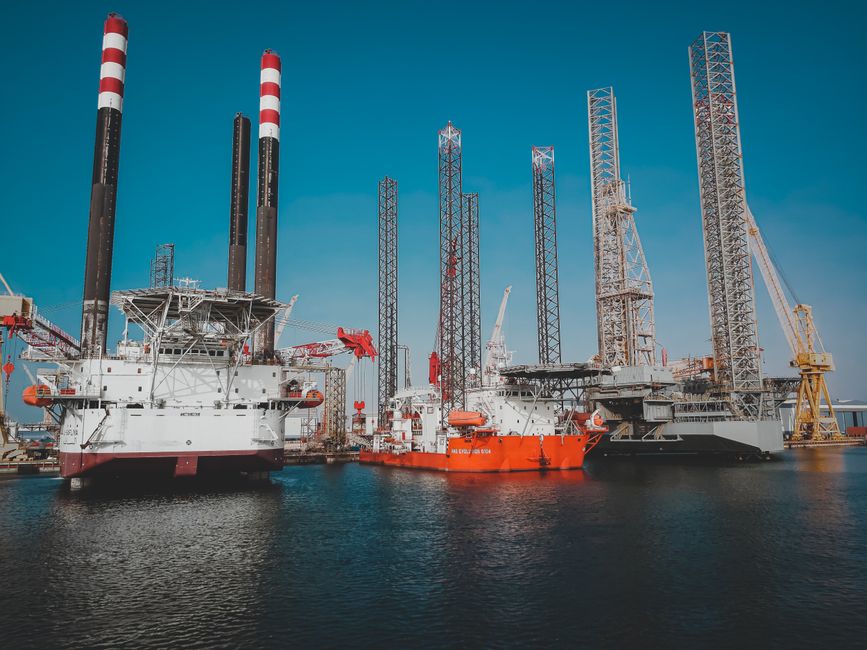
Just days before the talks began, Iran resumed crude oil loading from Kharg Island, its largest export terminal situated in the Persian Gulf. This followed the US decision to lift a naval blockade that had effectively choked off Iranian revenues. The move has immediate and tangible implications for global oil markets.
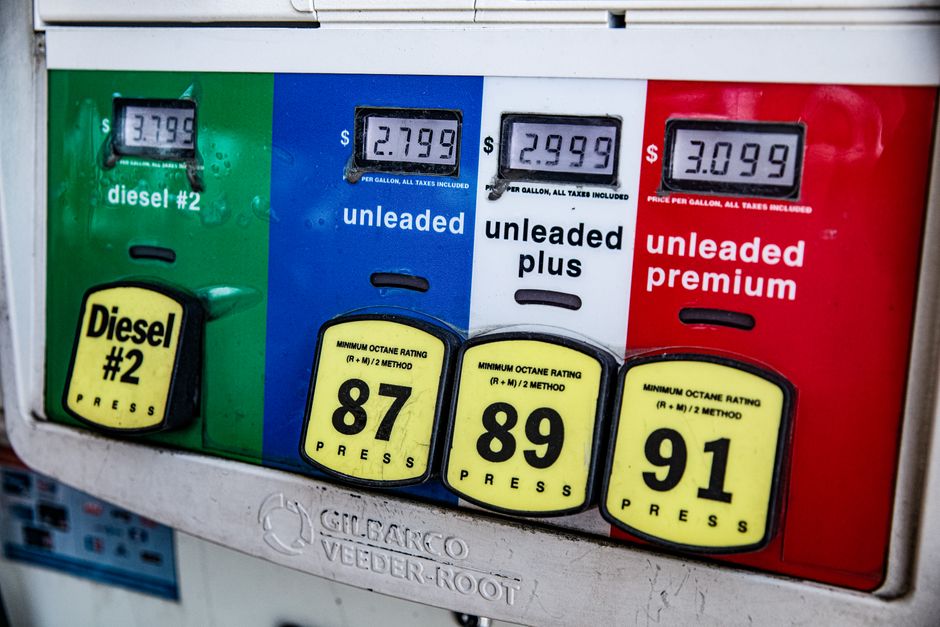
With Iranian barrels returning to the market, supply constraints are expected to ease. Analysts predict this could stabilize — or even lower — oil prices, which have been volatile amid geopolitical uncertainties. The resumption of exports from Kharg Island is a clear signal that both sides are preparing for a potential deal, or at least testing the waters.
Energy markets have responded cautiously. While prices have dipped slightly on the news, traders remain wary of sudden reversals. The talks could still collapse, and the return of Iranian oil could be short-lived if negotiations falter.
The Strait of Hormuz: A Flashpoint Revisited
The backdrop to the talks includes a recent escalation: Iran’s claim that it would close the Strait of Hormuz, a narrow passage through which roughly 20% of the world’s seaborne oil passes. The US quickly dismissed that claim as unsubstantiated, but the threat alone spiked risk premiums in energy markets and underscored the fragility of global supply chains.
Now, with negotiations underway, the immediate danger of a Hormuz closure has receded. Yet the underlying tension remains. The Strait of Hormuz has been a recurring flashpoint in US-Iran relations, and any breakdown in talks could bring that threat back to the forefront, sending oil prices soaring once again.
The reopening of oil flows from Kharg Island and the calming of rhetoric around the Strait of Hormuz are two sides of the same coin. Both are tied to the success — or failure — of the diplomatic process.
Crypto Markets: A New Frontier of Risk and Regulation
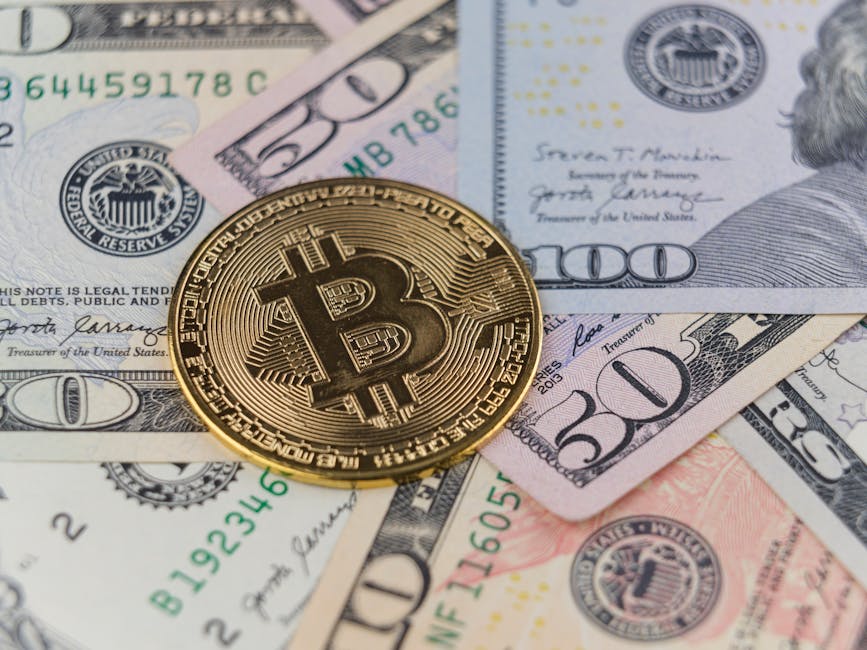
The peace talks are being watched with unusual intensity by the crypto investment community. Historically, geopolitical shocks have driven capital into Bitcoin and other digital assets as hedges against currency debasement and capital controls. But the US-Iran negotiations introduce a more nuanced dynamic.
First, any easing of sanctions on Iran could signal a broader shift in how the US approaches financial regulation. If the US is willing to re-engage with a sanctioned nation, it may also reconsider how it enforces anti-money laundering and sanctions compliance in the decentralized space. Conversely, a collapse in talks could lead to tightened scrutiny of crypto’s role in sanctions evasion, especially if Iranian entities are suspected of using digital assets to bypass restrictions.
Second, the macroeconomic implications are significant. A stable geopolitical environment often reduces the need for alternative assets, but regulatory clarity in a post-deal world could open new institutional flows. Crypto investors are closely monitoring the talks for any cues that might affect inflation expectations or monetary policy.
Volatility is the common denominator. For crypto traders, the next few weeks could bring rapid, news-driven moves as headlines from Switzerland intersect with energy price swings.
Who Stands to Gain and Lose
The return of Iranian oil is a mixed blessing for global stakeholders. Consumers may benefit from lower energy prices, but net oil exporters like Russia and several Middle East nations could face reduced revenues and market share erosion. For Iran, the economic relief is significant — though sanctions relief remains tied to progress in nuclear talks, which may take months or years to finalize.
Crypto investors face a different calculus. A stable geopolitical environment often reduces the safe-haven appeal of digital assets, but regulatory progress could unlock new capital. The uncertainty itself is a trader’s playground, but those with long positions may find themselves exposed to sudden reversals.
Financial regulators around the world are also watching. The US-Iran talks could serve as a template for how governments approach decentralized finance in the context of sanctions and global financial stability.
Looking Ahead
The month-long talks in Switzerland are only the beginning. With an extension window of up to a year, the process is expected to be protracted and fraught with setbacks. For energy markets, the resumption of Iranian oil exports provides a near-term buffer, but the true test will be the sustainability of supply once negotiations hit their first roadblock.
For crypto, the evolving geopolitical landscape may force a reckoning with regulatory frameworks that are still catching up to the technology’s global reach. The outcome of these talks will not only shape the Middle East but also redefine the interplay between geopolitics, energy, and digital finance.
Investors across asset classes should brace for continued headline risk. The next few weeks will tell whether diplomacy can deliver the stability that markets crave — or if the world is headed for another cycle of disruption.