Strategic chokepoints become flashpoints as US military strikes Iranian positions near the Strait of Hormuz, sending shockwaves through energy and digital asset markets.
What to know
- US military launched strikes on Iranian missile and drone sites after a cargo ship attack in the Strait of Hormuz.
- Iran’s Revolutionary Guards claim to have repelled a US attack on Sirik Island.
- The ongoing tensions threaten global oil routes and are disrupting financial markets.
- Crypto markets have experienced significant volatility amid the geopolitical turmoil.
- Central banks may need to reassess policy in response to potential energy price spikes.
- Regulatory scrutiny on cryptocurrencies is intensifying as part of broader market instability.
The Spark: Cargo Ship Attack and US Response
The immediate trigger for this escalation was a cargo ship attack in the Strait of Hormuz, one of the world’s most critical maritime chokepoints for oil transit. In response, the US military conducted strikes on Iranian missile and drone sites, signaling a sharp increase in direct military engagement.
The Revolutionary Guards, Iran’s elite military force, claimed they repelled a US attack on Sirik Island, an Iranian island in the strait. While details remain murky, the dueling narratives underscore how quickly events are moving — and how far both sides are willing to go.
The Strait of Hormuz is a vital artery for global energy supply, with roughly 20% of the world’s oil passing through its narrow waters. Any disruption there echoes across every major economy.
Energy Markets at Risk
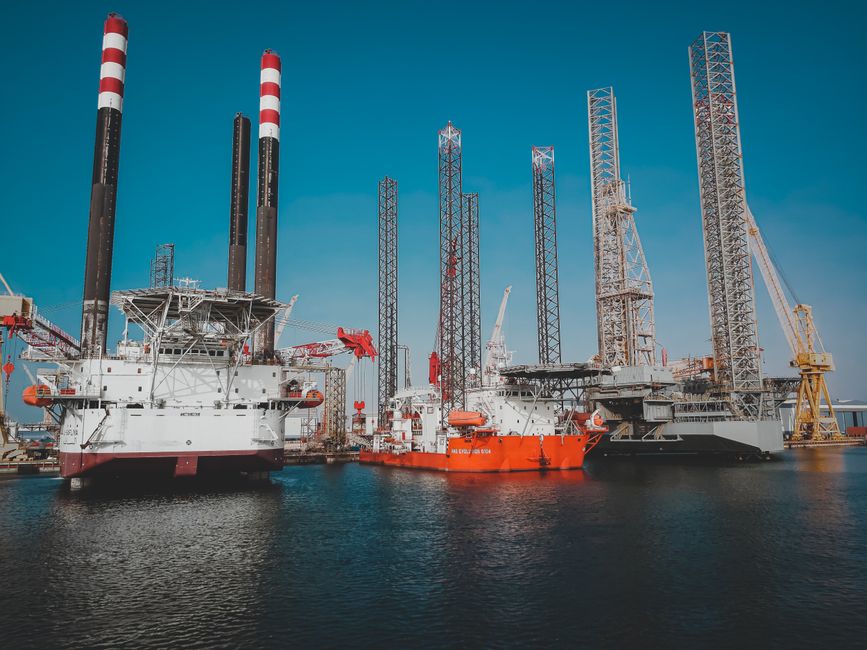
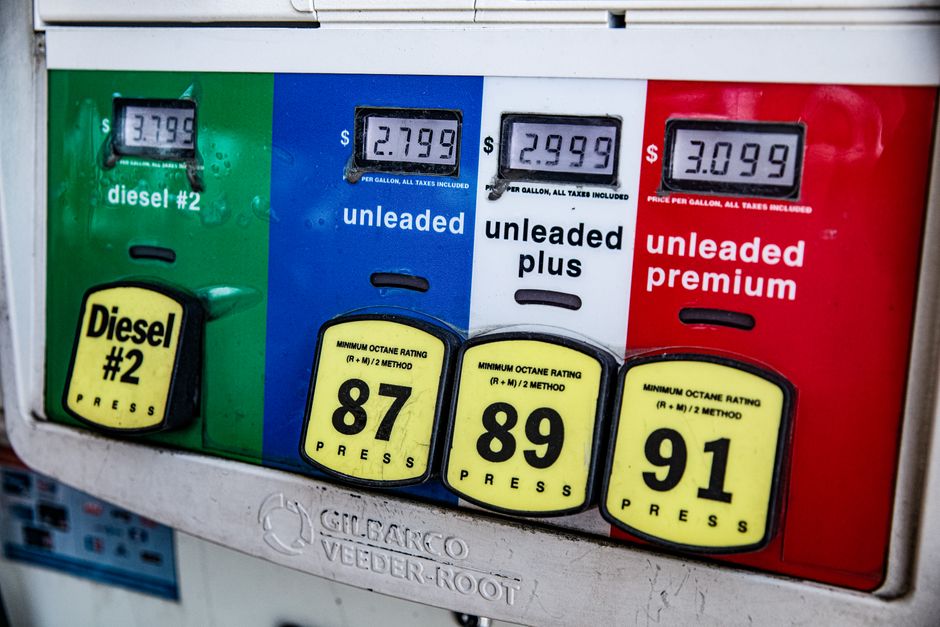
Oil prices are already reacting as traders price in the risk of supply interruptions. The Strait of Hormuz is the most critical transit chokepoint for crude; even a temporary blockage could send prices spiking. Central banks, already grappling with inflation concerns, now face a new headwind: surging energy costs that could complicate their policy decisions.
If the conflict widens, the impact on energy prices could be severe and sustained. That would not only hit consumers but also corporate margins, potentially dragging on global growth. The Iran factor also adds a layer of unpredictability, as any retaliation could target other infrastructure in the region.
Crypto Markets Feel the Shockwaves
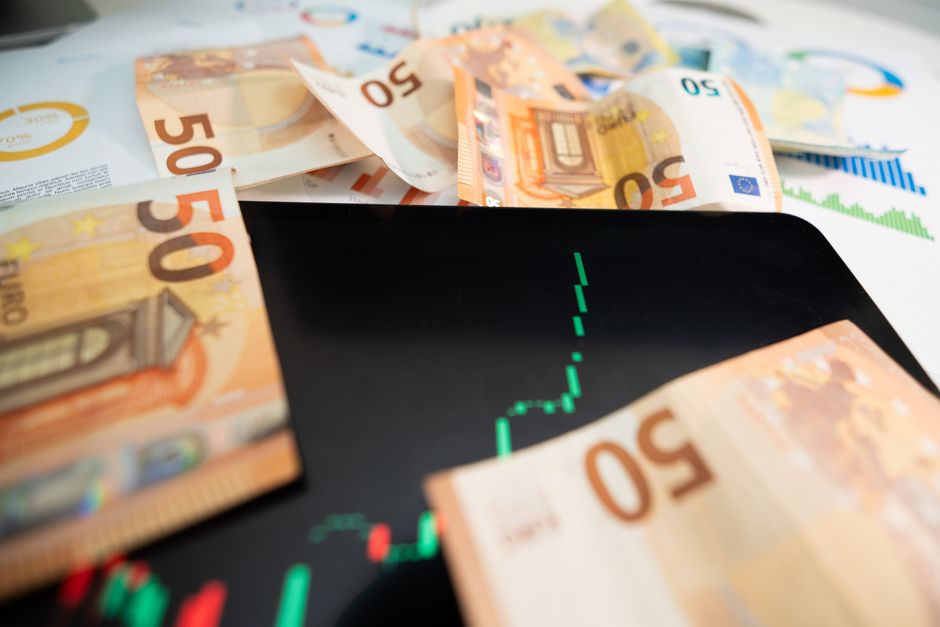
Crypto markets — often touted as a hedge against geopolitical turmoil — are instead displaying classic risk-off behavior. Major digital assets have slumped sharply as investors flee volatile assets for perceived safe havens. The correlation with traditional risk assets has reasserted itself, with Bitcoin and Ethereum trading lower alongside equities.
What’s striking is the speed of the reaction. The US strikes triggered immediate selling pressure in crypto, reflecting how deeply integrated digital assets have become with global liquidity and macro sentiment.
While crypto proponents often argue for its independence from traditional finance, events like this reveal its vulnerability to the same geopolitical shocks that move oil and stocks.
Central Banks on Edge
Energy price shocks pose a direct challenge to central bank policy. A spike in oil prices would push headline inflation higher, potentially forcing central banks to maintain or even tighten monetary policy — just as many were eyeing rate cuts. The US Federal Reserve, the European Central Bank, and others are now faced with a new variable that could derail their carefully laid plans.
The Strait of Hormuz crisis is not just a regional conflict; it’s a global macroeconomic event. Central banks will be watching Iran’s next steps closely, knowing that any escalation could force them to recalibrate their forecasts and tools.
Regulatory Scrutiny Intensifies
Another casualty of this rising tension is the already fragile regulatory environment for cryptocurrencies. Policymakers, worried about market stability and illicit finance, are likely to increase scrutiny on digital assets. The conflict provides fresh ammunition for those arguing that crypto needs tighter oversight, especially as it moves in lockstep with traditional risk assets during crises.
Iran itself has historically used crypto to bypass sanctions, and this episode may accelerate calls for stricter enforcement and transparency measures globally. The Revolutionary Guards are no strangers to crypto-based funding claims, adding a layer of security concern to the regulatory debate.
Looking Ahead
The situation remains highly fluid. Iran’s response — whether through diplomatic channels, proxy attacks, or further military action — will determine the trajectory of markets. Oil prices, crypto valuations, and central bank policies all hang in the balance.
For now, investors should brace for volatility. The Strait of Hormuz is a flashpoint that has repeatedly triggered global market shocks. This time, the stakes are compounded by a deeply interconnected financial system, where energy, crypto, and regulatory risk converge.
The world is watching Sirik Island. But the real battle may be for economic stability.