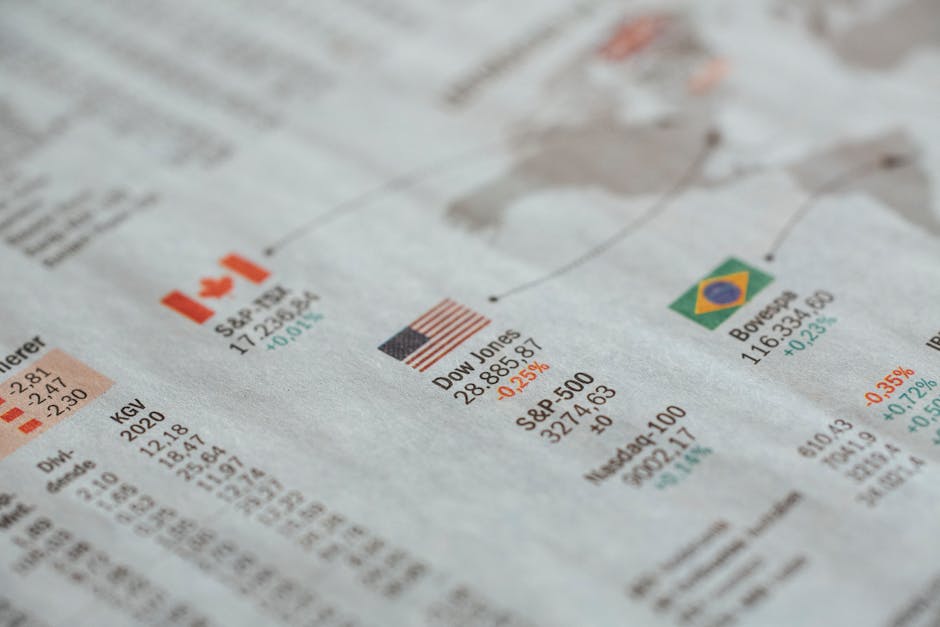
Investors cheered a historic trifecta on Wall Street, but the rally rests on sand — where a single diplomatic misstep could trigger a sharp reversal.
What to know
- The Dow, S&P 500, and Nasdaq all closed at record highs on 2026-05-30, according to reports from Crypto Briefing.
- The surge is tied to renewed hopes for a US-Iran deal that could ease tensions in the Middle East and stabilize global energy markets.
- Oil prices tumbled over 20% in May, marking the worst monthly performance since 2020, exacerbated by geopolitical instability and infrastructure challenges.
- The rally is underpinned by strong tech sector performance, but analysts warn of inflated valuations that may not withstand a geopolitical shock.
- Bitcoin and other cryptocurrencies remain highly sensitive to the same news cycles, with the lifting of a naval blockade and deal speculation driving volatility.
- The US lifting of a naval blockade against Iran is a key factor, but it also raises regulatory scrutiny on crypto assets tied to the region.
- While short-term optimism is high, the fragility of the diplomatic process and overstretched equity prices pose significant risks for the coming months.
The Record Surge
On May 30, 2026, Wall Street achieved a rare feat: the Dow Jones Industrial Average, the S&P 500, and the Nasdaq Composite simultaneously closed at all-time highs. The rally capped a month dominated by shifting geopolitical winds, as investors priced in a potential breakthrough between Washington and Tehran. The Dow gained hundreds of points, the S&P 500 breached its previous peak, and the tech-heavy Nasdaq extended its own record run, driven by mega-cap technology stocks.
The catalyst was unmistakable. Reports from Crypto Briefing highlighted that diplomatic signals from the US and Iran had reignited hopes for a deal that could reshape the Middle East energy landscape. The prospect of a relaxation of sanctions and a lifting of naval blockades stirred a wave of buying that swept across sectors.
The Iran Factor
At the heart of the rally is a diplomatic momentum that has been building for weeks. The lifting of the naval blockade — a key demand from Iran — has been interpreted as a sign that both sides are serious about negotiations. For markets, the implications are twofold. First, a deal could remove a major source of geopolitical risk that has weighed on global equities for years. Second, it could unlock Iranian oil exports, further pressuring already declining crude prices.
However, the timeline from Crypto Briefing suggests that the situation remains fluid. The blockade was lifted amid discussions that include Iran's use of Bitcoin — a point that introduces regulatory uncertainty for the crypto sector. Any breakdown in talks could reverse the optimism overnight, pulling the Dow and its peers back from the edge.
Oil's Steep Slide
Perhaps no market has reflected the volatility of the past month more clearly than oil. Crude prices fell more than 20% in May 2026 — the worst monthly performance since the 2020 pandemic crash. The drop is directly tied to the same geopolitical currents lifting stocks: the expectation of increased Iranian supply, coupled with ongoing infrastructure challenges in producing regions.
But the decline is not purely a supply story. The Crypto Briefing coverage also points to ongoing instability in the Middle East — infrastructure damage, pipeline disruptions, and sanctions uncertainty — that has made the energy market particularly fragile. Investors who saw the oil drop as a simple “risk-off” signal may be misreading the deeper structural issues. A deal could send prices lower still; a collapse in talks could trigger a violent rebound.
Tech Valuations Under Scrutiny
The record highs were propelled in large part by the tech sector, which continues to defy gravity. The Nasdaq has led the charge, with major companies trading at multiples that many analysts consider stretched. The very same headlines that fueled the rally also serve as a warning: when geopolitical risk declines, the valuation premium for “safe growth” stocks may shrink.
Inflation, interest rate expectations, and earnings sustainability are all under a microscope. The S&P 500’s tech-heavy composition means that any correction — triggered by a disappointing economic data point or a faltering diplomatic handshake — could hit the index disproportionately hard. The euphoria of a record close should not obscure that fact.
Bitcoin and Geopolitical Flux
Uniquely, this market moment also highlights the deepening entanglement between geopolitics and digital assets. The Crypto Briefing timeline shows that events in the Middle East — including the blockade lift and Iran's potential crypto transactions — have directly influenced Bitcoin volatility. The same forces pushing stocks higher have also sent ripples through crypto markets, often amplifying moves.
But this relationship is a double-edged sword. As the US and its allies examine Iran’s crypto activities, regulatory scrutiny is likely to increase. Any new sanctions or compliance requirements could depress sentiment across the asset class. Investors in both equities and digital assets must now monitor the same diplomatic threads.
Looking Ahead
The simultaneous record highs of the Dow, S&P 500, and Nasdaq represent a moment of collective optimism, but they also compress risk into a smaller window. The US-Iran negotiations are far from complete. Oil markets are in turmoil. Tech stocks are priced for perfection. And Bitcoin remains a bellwether for global uncertainty.
The next few weeks will be decisive. If a deal is finalized, the rally may extend — but with oil already in freefall and valuations stretched, the upside could be limited. If talks stall, the same markets that celebrated record highs could experience a sharp correction. For now, Wall Street has chosen hope over caution. History suggests that such moments rarely last without a new anchor.