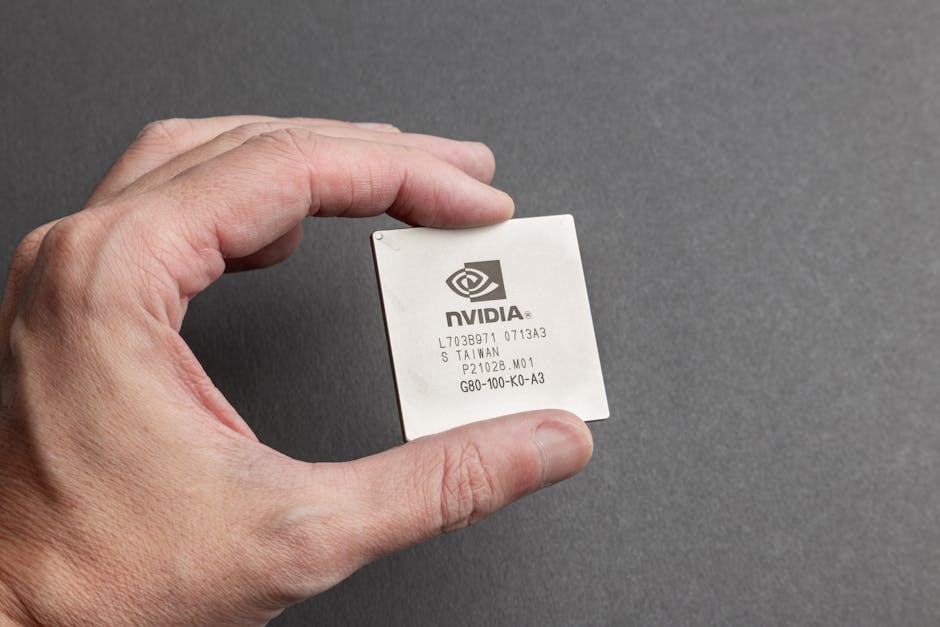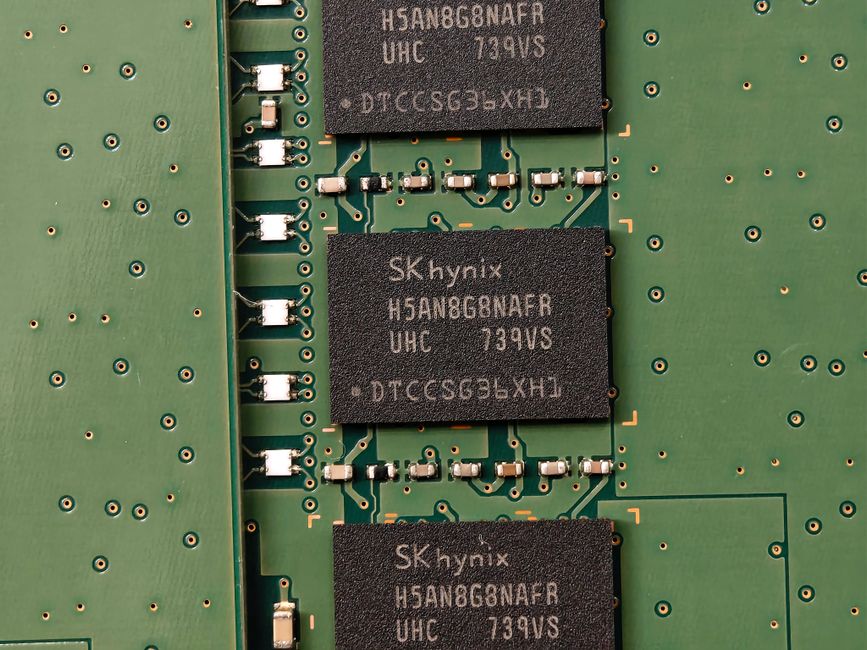
Memory chips are the new bottleneck in the AI era. As demand from data centers and edge devices outstrips supply, a handful of producers are enjoying pricing power that analysts expect to persist for years. The consequences are already visible in the S&P 500's leaderboard — and they extend far beyond traditional equities.
What to know
- Micron, Intel, and Sandisk are the top three performers in the S&P 500 so far in 2026, driven by AI memory demand.
- Analysts project memory chip undersupply will continue through at least 2028, giving producers sustained pricing leverage.
- AMD and Intel outperformed Nvidia in the first half of 2026, a reversal that also touches crypto markets.
- Memory chip stocks rebounded in early July on renewed optimism about AI-driven demand.
- Increased competition among chipmakers could eventually lower hardware costs, benefiting decentralized networks and reshaping both AI and crypto sectors.
- Foxconn's recent quarterly sales surge highlights the growing dominance of AI infrastructure, though geopolitical risks remain.
- The trend is integrating traditional equities with blockchain, boosting market valuations across asset classes.
The S&P 500's New Leaders
The memory chip rally has redrawn the S&P 500's performance chart. Micron, Intel, and Sandisk now occupy the top three spots among all index components this year. The common thread? Each is a critical supplier of the memory and storage solutions that power AI training and inference workloads.
Investors have poured capital into these names as hyperscalers and enterprise customers race to secure supply. Micron's stock has more than doubled, while Intel and Sandisk have posted gains that dwarf the broader market. The shift marks a departure from the previous cycle, where GPU makers like Nvidia dominated the narrative.
A Humbling Turn for Nvidia
The first half of 2026 delivered a surprising twist: AMD and Intel both outperformed Nvidia, the AI chip king. While Nvidia remains the leader in AI accelerators, the memory chip boom has lifted its CPU rivals to new heights. AMD's strength in data center CPUs and Intel's recovery in memory-adjacent products have captured investor attention.
This rotation reflects a broader reality — AI is not just about compute. Memory bandwidth and capacity are becoming the limiting factors, and the companies that control those inputs are reaping the rewards.
Undersupply Through 2028
Analysts now expect the memory chip shortage to stretch well beyond 2028. The structural imbalance is rooted in the mismatch between the pace of AI adoption and the multiyear capital cycles required to build new fabrication plants. Micron, Intel, and Sandisk are all expanding capacity, but demand is growing even faster.
The result is prolonged pricing power. Producers can command higher margins, and buyers — from cloud giants to crypto miners — face rising costs. The dynamic is fundamentally different from the cyclical memory downturns of the past.
Ripple Effects Across Crypto and Blockchain
The memory chip undersupply is not just a semiconductor story — it is reshaping investment landscapes that blend traditional equities with blockchain. The Crypto Briefing reports that the integration of stock market gains into crypto narratives is boosting valuations across both worlds.
Increased competition among chipmakers could also bring hardware costs down over time, benefiting decentralized networks that rely on memory-intensive mining or AI inference. If AMD and Intel continue to challenge Nvidia, the resulting price pressure could lower the barrier to entry for smaller blockchain projects.
Geopolitical Clouds on the Horizon
Foxconn's latest quarterly sales jump underscores the scale of AI infrastructure buildout. But the demand surge also exposes vulnerability. Geopolitical risks — especially around Taiwan and export controls — could disrupt supply chains and amplify the shortage.
Any escalation would hurt memory producers' ability to meet demand, potentially accelerating price hikes and further entrenching the undersupply. For investors, the upside of pricing power comes with tail risk from trade frictions.
Looking Ahead
The memory chip undersupply appears set to define the tech landscape for the next several years. Producers like Micron, Intel, and Sandisk will continue to enjoy outsized pricing power, while AMD and Intel may further erode Nvidia's dominance in the AI hardware race.
For crypto and decentralized networks, the knock-on effects are twofold: higher hardware costs in the near term, but potential cost relief if competition heats up. Investors across both equity and crypto markets should watch capacity announcements, geopolitical developments, and the ongoing battle for memory bandwidth. The era of cheap, abundant memory is over — but the new cycle may create opportunities for those who adapt.