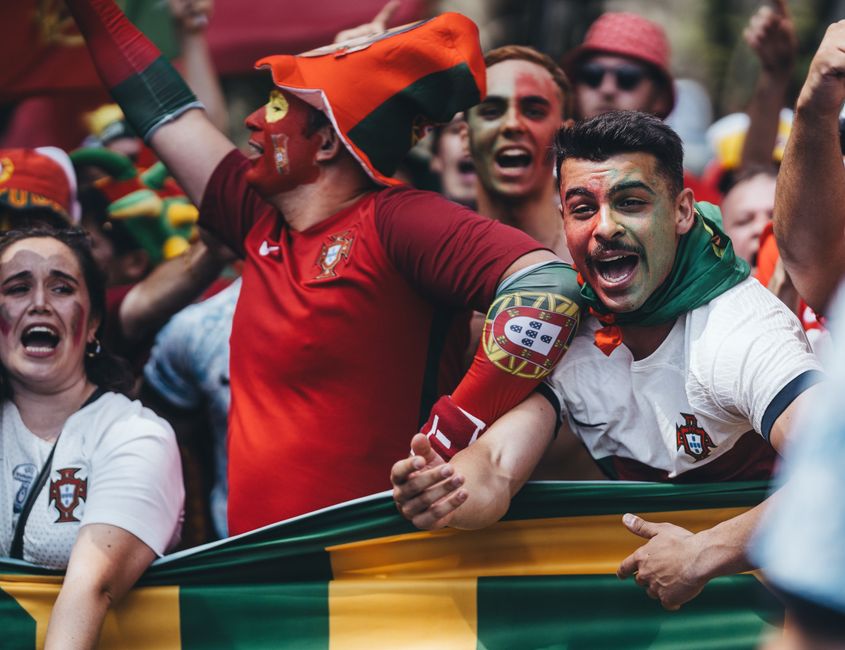
The 2026 World Cup is the first truly digital tournament, where a pulled hamstring can move markets and a token can unlock a seat in the stadium. But the road from hype to stability is paved with caution.
What to know
- The 2026 World Cup is generating unprecedented interest in sports-related crypto assets, including fan tokens and NFTs.
- Spain and Portugal are set to face off in Dallas in a match that has already sparked digital collectible presales.
- England defender John Stones is actively bridging traditional football culture with blockchain-based fan engagement tools.
- Jordan Henderson’s injury during a warm-up match caused a sharp swing in crypto prediction market odds, underscoring the volatility of athlete-linked bets.
- Crypto Briefing reported multiple stories on July 6, 2026, highlighting a trend toward more cautious, sustainable partnerships between football organizations and crypto platforms.
- Prediction market volume surged around England’s group-stage matches, reflecting the growing intersection of esports and digital finance.
- The tournament is being watched closely as a bellwether for how major global events can drive mainstream adoption of digital assets without repeating the excesses of earlier bull runs.
The World Cup as a Crypto Catalyst
The 2026 World Cup isn’t just a celebration of football—it’s a live experiment in sports-crypto synergy. From fan tokens that give holders voting rights on team anthems, to non-fungible tokens (NFTs) immortalizing iconic goals, the tournament has become a stage for blockchain technology to prove its utility beyond speculative trading.
“The post World Cup 2026 hype meets digital collectibles as Spain and Portugal prepare for Dallas showdown,” one report noted, summarizing the energy around the event.
Crypto Briefing’s coverage on July 6, 2026, emphasized that these partnerships are not the reckless sponsorships seen in the 2021–2022 crypto boom. Instead, they reflect a “shift towards sustainable digital integration.” Leagues and clubs are now vetting partners more rigorously, prioritizing long-term fan value over short-term cash injections.
The Henderson Effect: When Injury Moves Markets
Perhaps the starkest illustration of how deeply crypto has penetrated live sports came when Jordan Henderson—a veteran midfielder for England—sustained an injury during a pre-tournament friendly. Within hours, odds on prediction platforms like Polymarket flipped dramatically, as bettors recalibrated England’s chances of advancing without their midfield anchor.
The post “Jordan Henderson’s World Cup injury sends ripples through crypto betting markets” captured the moment. It highlighted how real-world events can instantly cascade into digital asset valuations, especially in prediction markets where every statistic is priced in real time.
This sensitivity raises questions for regulators and fans alike. Should athletic injuries be treated as market-moving events? And how resilient are these platforms to the natural unpredictability of sport?
Spain vs. Portugal in Dallas: An NFT Preview
The announcement that Spain and Portugal would meet in Dallas for a group-stage match has already sparked a wave of digital collectible releases. Unofficial and official fan tokens associated with both national teams saw increased trading volume in the weeks leading up to the date.
While exact prices aren’t available in current reports, the sentiment is clear: fans are eager to own a piece of history. NFTs tied to specific moments from past encounters between the Iberian rivals are also gaining traction, merging nostalgia with new technology.
“The 2026 World Cup highlights evolving sports-crypto dynamics, with cautious partnerships reflecting a shift towards sustainable digital integration,” according to one analysis.
John Stones: The Player-Advocate for Digital Assets
England center-back John Stones has emerged as an unlikely ambassador for crypto in football. In multiple interviews and social media posts, Stones has discussed how blockchain can deepen fan engagement—allowing supporters to vote on charity initiatives, access exclusive content, or even influence match-day experiences.
His involvement is part of a broader trend: active players becoming spokespeople for Web3 projects, lending credibility to an industry often viewed with suspicion. The post “World Cup fever meets crypto as England’s John Stones bridges football and digital assets” highlighted his role in normalizing the technology among a global audience.
Cautious Partnerships: Learning From the Past
The 2021–2022 crypto winter left a trail of failed sponsorships and disillusioned fans. In response, both FIFA and national federations are adopting a more measured approach. The current wave of sports-crypto deals emphasizes transparency, utility, and regulatory compliance.
According to Crypto Briefing’s reports, new partnerships are often structured with clear KPIs around fan participation rather than token price performance. This shift is welcomed by observers who remember the collapse of high-profile deals like those involving certain exchanges.
“The intersection of sports and crypto highlights evolving fan engagement and investment opportunities, with potential growth in digital assets,” one article concluded, though without specifying timelines or projections.
Prediction Markets and Esports Convergence
Another notable development is the blurring line between traditional sports betting and esports prediction markets. The 2026 World Cup has seen a surge in activity on platforms that allow users to bet not only on match outcomes but also on player performance, in-game events, and even social media engagement metrics.
This convergence was noted in the timeline: “The surge in crypto prediction market activity highlights the growing intersection of esports and digital finance, influencing market dynamics.” While the data is still emerging, it suggests that the World Cup is acting as a gateway for crypto-curious sports fans to explore decentralized finance (DeFi) tools.
Looking Ahead
The 2026 World Cup is far from over, but it has already written a new chapter in the sports-crypto story. The cautious but deliberate integration of blockchain into the world’s biggest sporting event suggests that digital assets are here to stay—but on football’s terms, not crypto’s.
As Spain and Portugal prepare to duel in Dallas, and as England navigates the loss of Jordan Henderson, the tournament continues to serve as a living laboratory. The key question remains: can the relationship between sports and crypto evolve from speculative excitement into a sustainable ecosystem that genuinely enhances the fan experience?
If the early signs from the 2026 World Cup are any indication, the answer is a measured yes—but only if all parties commit to the long game.