A thunderstorm in Philadelphia forced a two-hour delay in France's match against Iraq, yet Les Bleus prevailed 3-0. Elsewhere, Argentina and Norway advanced, Algeria eliminated Jordan, and crypto fan tokens saw renewed interest as teams progressed.
What to know
- France defeated Iraq 3-0 in Philadelphia after a two-hour thunderstorm delay.
- Argentina and Norway also secured advancement to the knockout stage of the World Cup 2026.
- Algeria beat Jordan 2-1, eliminating Jordan from the tournament.
- Crypto fan tokens tied to advancing teams experienced renewed interest from traders and fans.
- The weather delay in Philadelphia underscored the logistical challenges of outdoor stadiums in unpredictable climates.
- The expanded format of the 2026 World Cup continues to create opportunities for emerging teams, exemplified by Algeria's victory.
The Philadelphia Thunderstorm: A Two-Hour Pause
The match between France and Iraq was poised to be a critical Group stage encounter. However, Mother Nature had other plans. A severe thunderstorm rolled through Philadelphia, forcing officials to halt play for two hours. The delay tested the patience of players and fans alike, but once the skies cleared, France reasserted its dominance on the pitch.
The final scoreline read 3-0 in favor of France, a result that underscored the team's resilience. For Iraq, the defeat meant elimination from the tournament, though their presence in the expanded World Cup was already a historic achievement.
Key takeaway: The two-hour weather delay in Philadelphia highlights the unpredictable impact of climate on global sporting events. It raises important questions about stadium infrastructure and emergency preparedness.
This incident is not isolated. As climate patterns shift, major tournaments like the World Cup must adapt to increasingly frequent weather anomalies. The match's postponement is a reminder that even the best-laid plans can be disrupted by nature — and that flexible scheduling and venue design are more important than ever.
Algeria’s Resurgence and the Expanded World Cup
Meanwhile, in another group, Algeria mounted a dramatic comeback to defeat Jordan 2-1. The victory not only eliminated Jordan but also kept Algeria’s knockout hopes alive. For Algeria, this win marks a significant moment: the team had not achieved a World Cup victory in 12 years. The triumph has sparked a wave of national pride and is inspiring a new generation of footballers.
The expanded World Cup 2026 format has allowed more teams from Africa and Asia to compete on the global stage. Algeria’s win is a testament to the rising competitiveness of these regions. The tournament is no longer dominated solely by traditional powerhouses; emerging teams are seizing their opportunities.
What it means: Algeria's victory exemplifies the shifting dynamics of global football. The expanded World Cup is providing a platform for underdog stories that resonate far beyond the pitch.
Crypto Fan Tokens: A New Front in Sports Finance
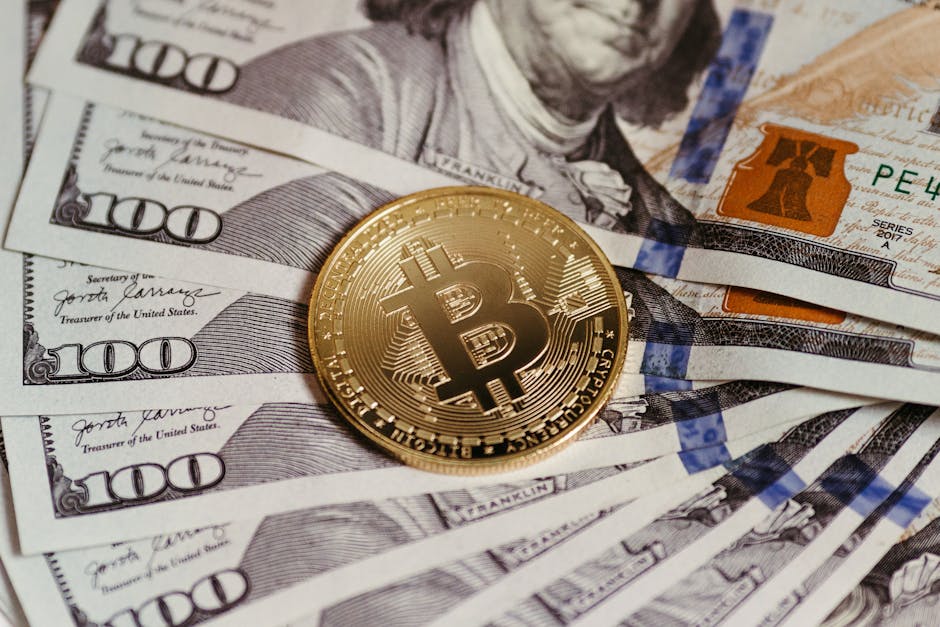
Off the pitch, another story was unfolding. Crypto fan tokens — digital assets tied to specific teams or events — saw a resurgence in interest as Argentina, Norway, and France advanced to the knockout stage. The integration of these tokens in the World Cup framework signals a growing intersection between digital finance and global entertainment.
Fan tokens allow supporters to vote on minor club decisions, access exclusive content, and participate in rewards programs. During the World Cup, tokens related to advancing teams often experience increased trading volume and price appreciation. While the Trend does not specify exact price movements, it confirms "renewed interest," suggesting that traders are watching these assets closely.
Why it matters: Crypto fan tokens are becoming a standard tool for fan engagement and monetization in sports. Their presence at the World Cup demonstrates that digital assets are moving from niche to mainstream in the entertainment sector.
However, risks remain. The volatility of cryptocurrencies can lead to sharp losses if sentiment turns. Moreover, regulatory scrutiny around fan tokens is still evolving. For now, the trend is clear: sports and crypto are converging, and the World Cup is the latest stage for this experiment.
Argentina and Norway: Steady Progress
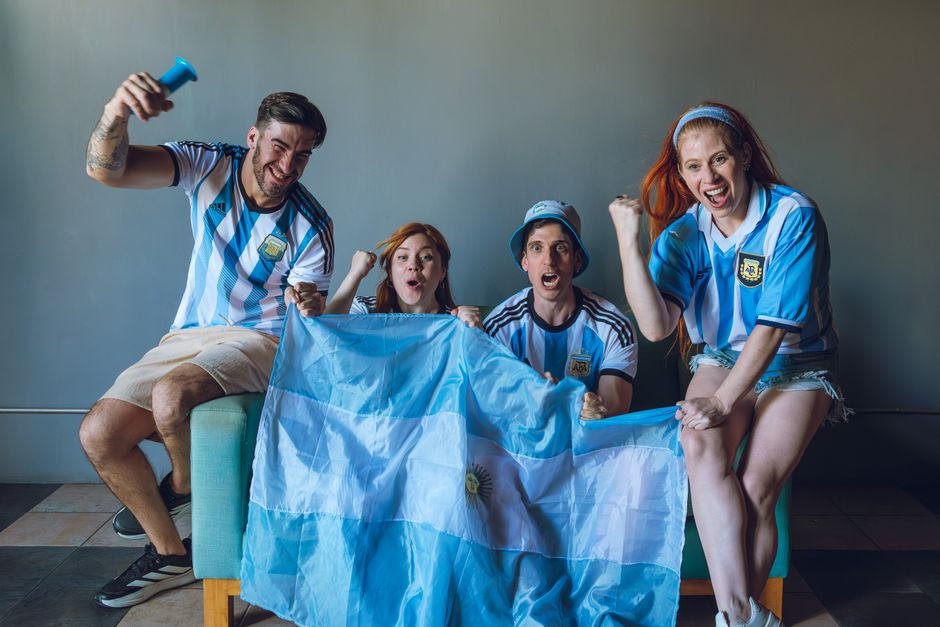
The Trend confirms that Argentina and Norway also advanced to the knockout stage alongside France. These teams have shown consistent form throughout the group phase, though specific match details are not provided. Their advancement adds to the depth of the knockout lineup, promising high-stakes encounters ahead.
For Argentina, fresh off their 2022 World Cup triumph, the 2026 campaign includes a mix of experience and emerging talent. Norway, on the other hand, is looking to make a deep run after years of near-misses in previous tournaments. Both teams will be closely watched by fans and crypto traders alike, as their fan tokens could see further action.
The Logistics of Weather at Major Events
The Philadelphia thunderstorm delay is not just a footnote — it serves as a case study for tournament organizers worldwide. Outdoor stadiums, even in modern cities, are vulnerable to sudden weather shifts. The two-hour interruption affected broadcast schedules, fan travel, and player routines.
This incident echoes earlier weather-related disruptions in major sports: from the Super Bowl to the Olympics. The World Cup's expansion to multiple host countries across North America introduces diverse climate zones, increasing the likelihood of such events. Future editions may need to invest in retractable roofs or enhanced weather monitoring systems.
Risk factor: As global weather patterns become more extreme, the risk of match delays or cancellations grows. Tournament logistics must evolve to maintain competitive integrity and fan experience.
Who Is Affected?
Several groups feel the ripple effects of these developments:
- Fans in Philadelphia and worldwide experienced disrupted schedules and heightened drama.
- Players had to recalibrate their pre-game routines and maintain focus during the pause.
- Investors and traders in crypto fan tokens saw renewed activity linked to advancing teams.
- Tournament organizers face pressure to improve weather contingency plans.
- Emerging football nations like Algeria gain confidence and global recognition.
Each stakeholder now has a stake in how the remaining matches unfold — both on the pitch and in the digital asset markets.
Looking Ahead
As the World Cup 2026 moves into the knockout phase, several narratives will dominate. Can France maintain its form despite the weather disruption? Will Argentina or Norway continue their momentum? And what will happen to the crypto fan tokens of eliminated teams?
The Philadelphia thunderstorm was a stark reminder that unpredictability is part of the game. Meanwhile, Algeria’s victory and the crypto token surge signal broader shifts — in football geopolitics and in the business of sports.
One thing is certain: the 2026 World Cup is delivering stories that go beyond the scoreboard. From weather delays to digital currencies, the tournament is reflecting the complex, interconnected world we live in.