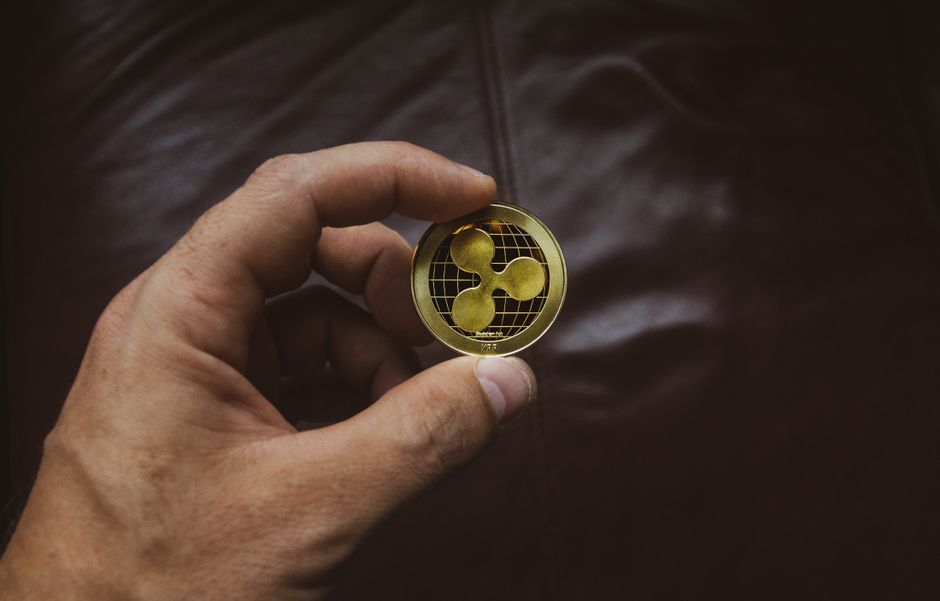
The 2026 World Cup is playing out as a dual narrative for crypto: sponsorships are mounting, Chiliz tokens are spiking, and prediction markets are buzzing. But a conspicuous absence of crypto branding on one of the tournament’s biggest matches signals an industry that remains cautious — and investors should pay close attention.
What to know
- Kraken has officially backed the 2026 World Cup, marking one of the largest crypto sports sponsorships to date.
- Fan tokens tied to national teams surged after the tournament draw, led by Chiliz (CHZ).
- The Argentina–Jordan group-stage match notably carries zero crypto sponsorship, a stark contrast to the overall trend.
- The Netherlands’ 3-1 victory over Tunisia saw heightened activity on crypto prediction markets, underscoring the growing intersection of sports and blockchain.
- Crypto markets remain volatile as they intertwine with global events — a risk both for fans and short-term traders.
- Some matches are steering clear of crypto partnerships entirely, suggesting a recalibration rather than a full embrace.
The World Cup’s Crypto Landscape
The 2026 World Cup is shaping up to be a landmark event for cryptocurrency, but not in the way many expected. On one hand, large sponsorships are flowing in: Kraken has committed to backing the tournament, a move that signals growing mainstream acceptance. On the other hand, the tournament’s biggest group-stage match — Argentina versus Jordan — will feature no crypto branding at all. This split-screen reality reflects an industry still navigating volatility, regulatory uncertainty, and investor skepticism.
According to reports from Crypto Briefing, the overall trend is toward integration. Prediction markets saw a spike in activity when the Netherlands beat Tunisia 3-1, with fans using crypto platforms to wager on outcomes. Fan tokens, particularly those issued by Chiliz, rallied after the draw, showing that crypto assets tied to sports are capturing retail attention.
Kraken’s Play: Betting on the Beautiful Game
Kraken’s decision to sponsor the World Cup is one of the most significant crypto-branding moves in sports history. The exchange is positioning itself as a household name, leveraging the tournament’s global audience to build trust and visibility. But the sponsorship comes at a time when crypto firms are being scrutinized for their ties to high-risk financial products. Kraken’s bet is that the World Cup’s massive reach will outweigh any reputational concerns.
The sponsorship also highlights a strategic pivot: while earlier tournaments were dominated by blockchain startups and sketchy initial coin offerings, this cycle sees established exchanges stepping up. Kraken is not alone — other crypto companies are actively seeking sports partnerships, but the World Cup remains the crown jewel.
Fan Tokens: A Double-Edged Sword
The surge in team fan tokens after the World Cup draw has been remarkable. Supporters rushed to buy tokens linked to their national teams, driving prices higher. Chiliz, the company behind many fan tokens, saw a spike in trading volume. However, the volatility inherent in these assets is a major concern. Crypto Briefing noted that fan tokens’ price swings carry real risks for investors, especially those unfamiliar with crypto markets.
Fan tokens are supposed to give holders a stake in team decisions and exclusive rewards, but they also behave like speculative assets. The World Cup excitement can push prices up — but a single bad result or negative news can trigger a sharp sell-off. For casual fans turned investors, the lesson is clear: don’t confuse fandom with financial advice.
The Absence That Spoke Volumes
Perhaps the most telling development is the complete lack of crypto sponsorship for the Argentina–Jordan match. This match is one of the most anticipated in the group stage, featuring a soccer powerhouse and an emerging team. Yet no crypto brand is associated with it. This absence suggests that some teams, stadiums, or broadcasters are still wary of associating with an asset class known for its wild price swings and regulatory gray areas.
It could also reflect a deliberate strategy by crypto firms to avoid overexposure. After the 2022 World Cup, several high-profile crypto sponsors went bankrupt, leaving sporting bodies cautious. The 2026 tournament may be a testing ground — crypto is present, but not everywhere.
Prediction Markets and the Netherlands–Tunisia Clash
The Netherlands 3-1 win over Tunisia was more than a football result — it was a microcosm of crypto’s role in modern sports. Prediction markets on blockchain platforms saw a flurry of activity as fans placed bets on goals, cards, and minute-by-minute outcomes. These markets are still in their infancy, but the World Cup provides a real-world test of their scalability and reliability.
Crypto prediction platforms offer lower fees and faster settlements than traditional bookmakers, but they also expose users to smart contract risks and market manipulation. The Netherlands–Tunisia match showed strong demand, but also highlighted the need for robust infrastructure.
Regulatory and Industry Implications
The dual narrative of sponsorship and absence points to a broader cautious phase in the crypto industry. Regulators around the world are still defining how crypto interacts with sports, advertising, and finance. Some jurisdictions have banned fan tokens as securities; others are embracing them. The World Cup, with its global reach, becomes a testing ground for regulatory frameworks.
Kraken’s involvement may set a precedent, but it also invites scrutiny. Meanwhile, the Argentina–Jordan match without crypto sponsorship suggests that even within the same tournament, comfort levels vary. This inconsistency could confuse consumers and investors alike.
What This Means for Investors
For those watching from the sidelines, the 2026 World Cup offers a clear signal: crypto is entering mainstream sports, but not without friction. Fan tokens present short-term trading opportunities, but their volatility demands caution. Kraken’s sponsorship is a long-term bet on brand legitimacy, while the absence of crypto in key matches suggests that institutional adoption is still uneven.
Investors should monitor how these dynamics evolve. If fan token volatility leads to losses, it could sour public perception. If the absence of crypto in certain matches becomes a trend, it may indicate deeper skepticism from major sports organizations.
Looking Ahead
The 2026 World Cup is far from over, and the crypto narrative will continue to unfold. Expect more matches to feature crypto betting markets, fan token rallies, and maybe even new sponsorships. But the Argentina–Jordan match without any crypto presence will remain a talking point — a reminder that even as the industry pushes forward, pockets of resistance and caution remain. The beautiful game and crypto are now entangled, but the relationship is still being defined.