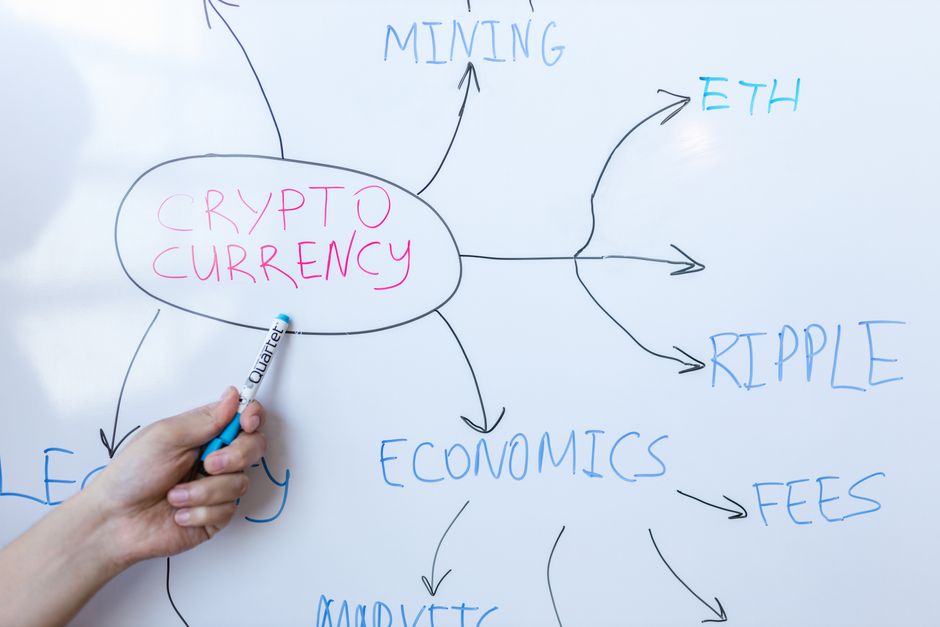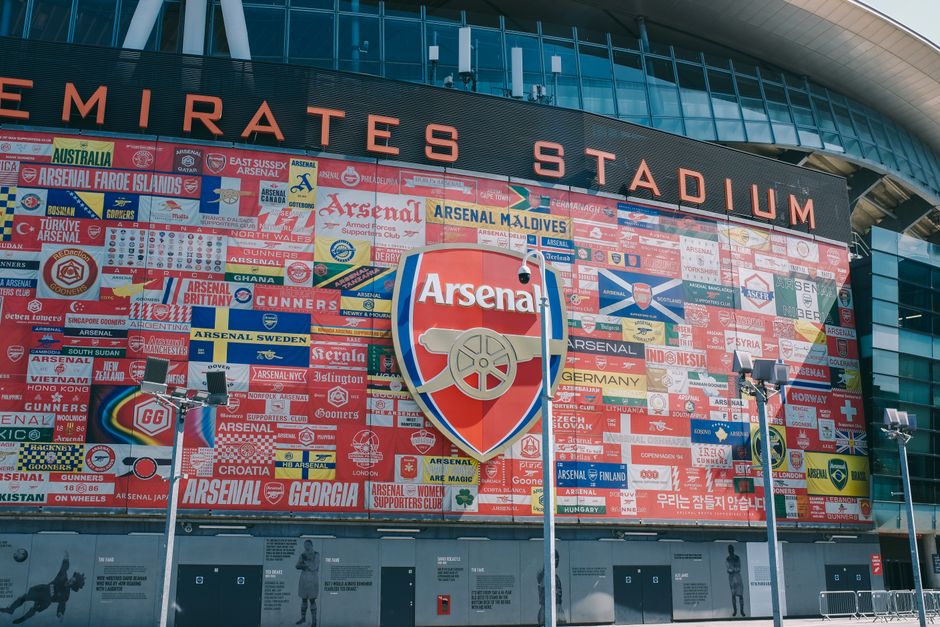
The stakes are rising as the 2026 FIFA World Cup nears. Major crypto players like Kraken are betting big on the tournament, while fan tokens surge around Arsenal's title win — but a sudden injury scare involving the Socceroos has exposed the fragile underbelly of crypto sports betting.
What to know
- Kraken has been named the official crypto exchange supporter for the FIFA World Cup 2026, which kicks off on June 11, 2026.
- Arsenal's Premier League title victory has sparked a fresh wave of interest in crypto fan tokens, highlighting the growing crossover between sports championships and digital asset markets.
- A Socceroos injury scare has drawn attention to the risks inherent in crypto sports betting and fan token markets — particularly volatility and information asymmetry.
- The rise of crypto in sports is raising regulatory eyebrows, with concerns about investor protection and market manipulation.
- The World Cup sponsorship by Kraken is seen as a potential accelerant for global crypto adoption and fan engagement.
- Despite the positive sentiment, the Socceroos incident serves as a cautionary tale for investors and fans alike.
The World Cup Crypto Push
When Kraken announced its partnership with FIFA for the 2026 World Cup, it marked one of the most visible mainstream integrations of cryptocurrency yet. The exchange will serve as the tournament's official crypto exchange supporter, a role that places digital assets directly in front of billions of global viewers.
This move aligns with a broader trend. Sponsorships and fan tokens are becoming the new frontier for sports marketing, and Kraken's involvement signals a belief that the World Cup can be a powerful catalyst for crypto adoption. The tournament's massive audience — spanning every continent and demographic — offers an unmatched platform for onboarding new users.
Yet, the path is not without obstacles. The same timeline that highlighted Kraken's sponsorship also recorded a decline in crypto sponsorships for the tournament, citing market instability and regulatory scrutiny. The tension between enthusiasm and caution is palpable.
Arsenal's Fan Token Rally
Arsenal's Premier League title win has done more than delight fans at the Emirates. It has also triggered a notable surge in the club's fan token ecosystem. Following the championship, interest in Arsenal-related digital tokens spiked, reflecting a pattern where on-field success drives speculative demand in off-field digital assets.
Fan tokens, often issued by clubs via blockchain platforms, allow holders to participate in club decisions or access exclusive experiences. But they also trade like volatile assets. The Arsenal rally shows the emotional and financial entanglement between sporting glory and token prices.
This intersection raises a fundamental question: Are fan tokens genuine engagement tools, or are they speculative instruments riding on team performance? The Arsenal example suggests both, but the regulatory implications are significant — especially when tokens are marketed to fans who may not understand the risks.
The Risks Beneath the Surface
Then came the Socceroos injury scare. In the midst of World Cup preparation, an injury to a key Socceroos player sent ripples through crypto sports betting and fan token markets. The incident exposed two critical vulnerabilities: extreme volatility and information asymmetry.
In crypto sports betting markets, sentiment can shift in seconds based on news that may or may not be verified. Bettors and token holders often lack the same access to real-time medical updates that institutional players might have. The Socceroos case is a stark reminder that when it comes to sports injuries, the information gap can be exploited — or lead to panic sells and erratic price swings.
The volatility in fan tokens and crypto sports betting is not just a feature — it's a systemic risk that regulators are increasingly watching.
For investors, the lesson is clear: the same qualities that make crypto sports markets exciting — speed, global participation, 24/7 trading — also amplify dangers when news breaks.
Regulatory Clouds Gather
The surge of crypto in sports has not gone unnoticed by policymakers. The Arsenal fan token expansion and the Kraken sponsorship come at a time when crypto regulations are tightening worldwide. Concerns include consumer protection, market manipulation, and the mixing of gambling (sports betting) with unregulated digital assets.
Several jurisdictions are already scrutinizing the fan token model. If a club's token behaves like a security, should it be registered? If betting on player injuries relies on insider information, is that fair? These are questions that will shape the future of sports crypto.
Crypto Briefing has reported that the incident involving the Socceroos underscores how information asymmetry challenges market stability, directly impacting investor confidence. That kind of risk is hard to manage without clear rules.
Who Stands to Gain and Lose?
For Kraken, the World Cup sponsorship is a branding coup, but it also brings scrutiny. The exchange will need to navigate differing regulations across host nations and ensure its services are compliant. For Arsenal, the fan token interest could be a new revenue stream, but it also creates obligations to educate fans.
For bettors and token traders — especially casual fans drawn in by the World Cup hype — the risks are personal. The lure of quick gains may lead to losses that are as sudden as a Socceroos injury. Meanwhile, the global sports economy could see a new layer of financialization, where on-field events directly trigger off-field capital flows.
Looking Ahead
As the World Cup draws closer, all eyes will be on how Kraken executes its partnership and how fan tokens perform under the pressure of live matches. The Arsenal rally may be a precursor to a broader trend, but the Socceroos injury scare is a warning that cannot be ignored.
The next few months will test whether crypto can deliver on its promise of deeper fan engagement without destabilizing the very sports it seeks to enhance. One thing is certain: the intersection of sports and digital assets is here to stay — but the rules of the game are still being written.