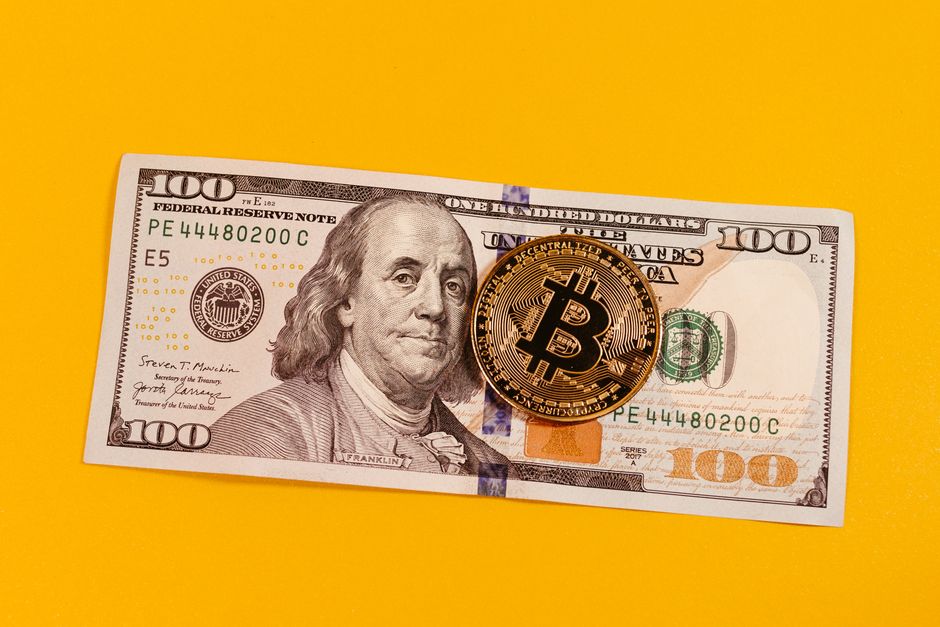
The yen's slide to a 40-year low against the dollar and Takaichi's dovish appointments to the Bank of Japan's board have created a complex picture for global investors. While near-term stability may favor risk assets like Bitcoin, deeper uncertainties linger.
What to know
- The Japanese yen fell to its weakest level against the US dollar in four decades, a historic depreciation.
- Japan's currency intervention has been deployed to counter volatility, highlighting global market stress.
- Takaichi's selections for the BOJ board are widely seen as dovish, signaling a slower path to rate hikes.
- The BOJ's cautious approach may prolong global liquidity, supporting risk asset valuations in the short term.
- Yen-carry trades, a popular strategy in global markets, face potential disruption if policy shifts unexpectedly.
- Bitcoin and other crypto assets could see near-term stability as the BOJ delays tightening.
- The combination of a weak yen and dovish policy revamp raises questions about the BOJ's credibility and future adjustments.
- A global market shake-up remains possible if Japan alters its monetary stance more aggressively than expected.
The Yen's Record Decline
The yen's depreciation against the US dollar has reached levels not seen in forty years. This is not merely a currency fluctuation; it reflects a profound shift in the economic and monetary landscape of Japan. The slide has been driven by a persistent interest rate differential between Japan and the US, as the Federal Reserve maintained higher rates while the BOJ kept its policy ultra-loose.
The weakening yen has forced the Japanese government to intervene in currency markets, attempting to stem the volatility. Such interventions, however, have historically had limited lasting impact, as underlying fundamentals continue to push the yen lower. The cost of imports rises, putting pressure on Japan's economy and consumers, while exporters gain a temporary edge. But for global investors, the real concern is what this means for the Bank of Japan's next move.
The yen has hit its weakest level against the US dollar in four decades, a milestone that signals deep structural pressures and potential policy inflection points.
Takaichi's Dovish Appointments: A Shift in Policy Tone
Prime Minister Takaichi's appointment of dovish members to the BOJ board has sent a clear signal: the path to rate hikes will be slower and more cautious than previously anticipated. These picks are expected to reinforce the BOJ's current accommodative stance, delaying the normalization that many investors had begun to price in after the bank's earlier rate hike.
The dovish tilt creates a disconnect. On one hand, the BOJ had raised rates to levels not seen since 1995, suggesting a move toward tightening. On the other hand, new board members appear to favor maintaining the status quo. This contradiction leaves markets guessing about the BOJ's true intentions. Will the previous hike be reversed? Or will the dovish picks simply slow the pace of future increases?
The BOJ's cautious approach, as reported by Crypto Briefing, may prolong global liquidity. By keeping borrowing costs low in Japan, the central bank effectively supplies cheap yen to global markets, supporting risk-taking. This has direct implications for assets like Bitcoin and other cryptocurrencies, which thrive in low-rate environments.
Implications for Yen-Carry Trades and Crypto
Yen-carry trades — borrowing cheap yen to invest in higher-yielding assets elsewhere — are a cornerstone of global finance. A delayed rate hike from the BOJ means the carry trade remains attractive in the near term. This provides a tailwind for risk assets, including Bitcoin, as investors continue to use the yen as a funding currency.
However, the risk of a sudden policy reversal is significant. If the BOJ were to eventually raise rates more rapidly to support the yen, it could trigger a sharp unwinding of carry trades, leading to a global liquidity crunch. Such a scenario would likely hit Bitcoin and other volatile assets hardest, as margin calls and risk-off sentiment sweep through markets.
In the near term, Crypto Briefing highlights that the dovish picks may stabilize risk assets like crypto. The prolonged liquidity acts as a buffer against sudden sell-offs. But this stability is fragile. The yen's continued weakness puts pressure on the BOJ to act, and any surprise move could reverse the current calm.
The yen-carry trade dynamics suggest near-term support for risk assets, but the threat of a sudden policy shift creates an undercurrent of volatility.
Global Liquidity and Risk Asset Valuations
The BOJ's cautious monetary policy is a key pillar of global liquidity. When the Bank of Japan keeps rates low, it encourages investors to borrow yen and deploy capital abroad. This has been a significant factor in the sustained bull markets for equities and crypto over the past decade.
The dovish board appointments reinforce this liquidity channel, at least for now. Risk asset valuations may continue to benefit, with Bitcoin potentially finding a floor amid the current uncertainty. However, the BOJ's own rate hike earlier this year complicates the narrative. Some market participants view the dovish picks as a backpedaling, raising questions about the central bank's independence and commitment to fighting inflation.
If the BOJ remains dovish, the yen may weaken further. A weaker yen boosts Japan's exports but raises import costs, feeding inflation. This creates a dilemma for policymakers. The longer the BOJ stays loose, the more pressure builds for a dramatic intervention or a sudden hawkish pivot. Either scenario could disrupt global markets violently.
The Uncertainty of Japan's Monetary Path
The BOJ finds itself at a crossroads. The previous rate hike was the largest in decades, signaling confidence in Japan's economic recovery. Yet the new board appointments suggest a retreat from that stance. This inconsistency undermines market confidence and makes forecasting the BOJ's next move exceedingly difficult.
Currency intervention by Japan's Ministry of Finance adds another layer. While intended to calm the yen's slide, interventions are often short-lived fixes. The fundamental driver — interest rate differentials — remains unchanged. Unless the BOJ changes its policy, the yen may continue its decline, forcing further interventions that strain international relations and increase volatility.
For global investors, the key question is whether the BOJ will eventually bow to market pressure and hike rates sooner than Takaichi's picks indicate. If so, the yen could strengthen rapidly, triggering a massive unwinding of carry trades. This would likely drag down Bitcoin and other risk assets in a cascading sell-off. Conversely, continued inaction could lead to a yen crisis, with even broader implications.
Looking Ahead
The intersection of a historic yen decline, dovish BOJ appointments, and global market liquidity presents a nuanced picture. In the short term, risk assets like Bitcoin may enjoy a period of stability as the carry trade persists. But the underlying tensions — between the BOJ's dovish policy and the need to support the yen — remain unresolved.
Investors should watch for any shift in rhetoric from the BOJ or unexpected currency intervention. The BOJ's next moves will have outsized impacts on global risk appetite and liquidity. For now, the dovish turn offers a reprieve, but the clock is ticking on Japan's monetary policy dilemma.