As Asian buyers pivot toward American crude amid escalating Middle East tensions, the global oil landscape is shifting — with ripple effects for energy security, inflation, and even crypto markets.
What to know
- Asian nations are boosting US crude imports to new records, seeking alternatives to Middle Eastern supply as the Iran conflict raises risks in the Strait of Hormuz.
- Iran's oil exports continue despite the U.S. decision to cancel sanctions waivers, revealing persistent gaps in enforcement and potential loopholes including cryptocurrency.
- China's approach to the turmoil may stabilize crude prices in the near term, but disruptions in refined fuel markets could escalate into a broader supply shock.
- The combination of geopolitical friction and shifting trade flows is expected to keep upward pressure on global oil prices, threatening economic stability in energy-importing nations.
- Regulatory scrutiny on the use of digital assets to bypass sanctions is intensifying, linking the oil trade to crypto market dynamics.
- Analysts see rising WTI price volatility as traders recalibrate to the new supply geography.
- Rising oil prices from these tensions may lead to increased global economic instability and heightened energy security concerns.
- Iran's export resilience underscores the limits of unilateral sanctions when demand and alternative payment channels remain active.
The Asian Pivot to American Crude
For decades, the world’s largest oil consumers in Asia have relied heavily on the Middle East for their energy needs. That dependency is now being actively rewritten. In response to escalating tensions between Iran and the US, and the threat of disruption through the Strait of Hormuz, Asian buyers have sharply increased their purchases of American crude.
The shift is not merely tactical; it represents a structural diversification strategy. By locking in longer-term supply deals with US producers, Asian nations are insulating themselves from regional volatility. The result: US crude exports to Asia have hit record levels. This redirection of flows alters the traditional balance of the global oil market, redistributing price power away from OPEC+ and toward American shale.
"The post Iran conflict drives Asian oil buyers to record US crude imports" — a telling headline that encapsulates a broader realignment.
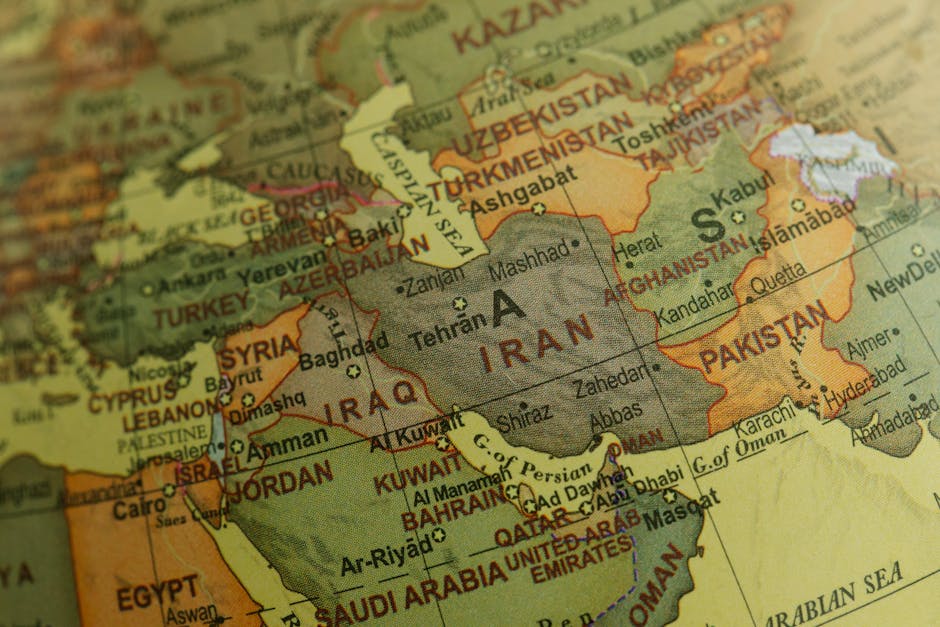
This pivot comes at a time when the Strait of Hormuz — through which a fifth of the world’s oil passes — has become a flashpoint. Any sustained closure or disruption there would have catastrophic effects on supply chains. By diversifying, Asian buyers are effectively hedging against that tail risk, but at a cost: longer shipping routes and higher transport expenses feed into final crude prices.
Iran’s Resilient Exports and the Sanctions Gap
Despite the U.S. decision to yank sanctions waivers that had allowed some countries to continue importing Iranian oil, Tehran’s crude exports have not dried up. According to reports, Iran’s oil flow persists, underscoring the limitations of unilateral sanctions when enforcement is porous and demand remains.
The resilience of Iran’s exports is a reminder that geopolitical pressure alone cannot fully isolate a determined seller — especially when buyers in Asia remain willing to engage through alternative channels. This dynamic adds complexity to the global supply picture: while some Asian nations shift to US crude, others may still be quietly accepting Iranian barrels, keeping total supply higher than sanctions would suggest.
This is where the crypto angle enters. There is growing scrutiny on the use of digital currencies to facilitate payments for Iranian oil, sidestepping the traditional banking system. While the extent of this practice remains unclear, it is enough to draw attention from regulators and market watchers. The intersection of oil geopolitics and crypto creates a new vector for volatility and policy response.
The Crypto Connection
Cryptocurrency has long been discussed as a tool for sanctions evasion, and Iran’s oil trade may be the most prominent case. The Trend’s coverage notes that "scrutiny on crypto's role in sanctions evasion" is increasing, and that crypto markets care about the continuation of Iran’s exports.
The implication is clear: if Iran can monetize its oil through crypto, it weakens the bite of Western sanctions. This, in turn, could prolong the geopolitical standoff and keep the pressure on oil prices. For crypto investors and institutions, the regulatory backlash that may follow is a significant risk. Governments could tighten rules on crypto platforms that facilitate such transactions, affecting market liquidity and sentiment.
The link between a barrel of Iranian crude and a blockchain transaction is not metaphorical — it is a tangible risk to both energy markets and digital asset markets.
China’s Balancing Act
China is both the largest crude importer and a key player in refined fuel markets. The Trend indicates that China’s strategy may help stabilize crude prices, but that it faces a challenge with refined fuels — potentially disrupting global markets and altering energy dynamics.
On one hand, China’s diplomatic and economic weight allows it to absorb some shocks by adjusting its import mix. On the other, any trouble in its refining sector could spill over into tighter supplies of gasoline, diesel, and petrochemicals worldwide. This dual role makes China a critical variable in the oil price equation.
If China leans more heavily on US crude, it further reinforces the Asian pivot. But if it also maintains backchannel trade with Iran, the net effect on prices becomes harder to predict. The interplay between these flows will be a key story for traders and policymakers to watch.
The WTI Volatility Risk
The Trend warns that "pressure may drive WTI price volatility," impacting global supply dynamics and market strategies. As Asian buyers shift sources and Iran exports persist, benchmarks like WTI become battlegrounds for competing supply narratives. Traders are already pricing in a higher risk premium, and any further escalation could trigger sharp price swings.
Volatility in WTI is not just a trading issue. It affects hedging costs for airlines, shipping companies, and manufacturers across Asia. For central banks, it complicates inflation forecasting and monetary policy decisions. The energy transition timeline also gets blurred when fossil fuel prices become more unpredictable.
Global Economic Repercussions
The ultimate concern is that higher oil prices — driven by these geopolitical crosscurrents — will undermine economic stability, especially in developing Asian economies that are net importers. Inflationary pressure from energy costs can slow growth, strain fiscal balances, and spark social unrest.
The Trend explicitly warns that "rising oil prices due to geopolitical tensions may lead to increased global economic instability and heightened energy security concerns." This is not a hypothetical: it is a scenario already unfolding. Central banks may face a dilemma: tighten policy to fight inflation fueled by oil, or hold steady to support growth. Either choice carries risks.
For countries heavily dependent on oil imports, the diversification toward US crude offers some relief, but it does not eliminate the price risk. The premium for shorter supply lines and political stability may keep American barrels more expensive than Middle Eastern alternatives even in normal conditions.
Looking Ahead
The coming months will test the resilience of the global oil market. Asian nations have made their move toward US crude, but the transition is not seamless. Iran’s persistence, China’s maneuvering, and the creeping influence of crypto all add layers of complexity.
What to watch: U.S. production capacity to meet rising Asian demand, any new sanctions or enforcement actions targeting crypto-enabled oil trade, and the evolution of the Strait of Hormuz security situation. The answers will determine not just the price of oil, but the shape of global energy security for years to come.